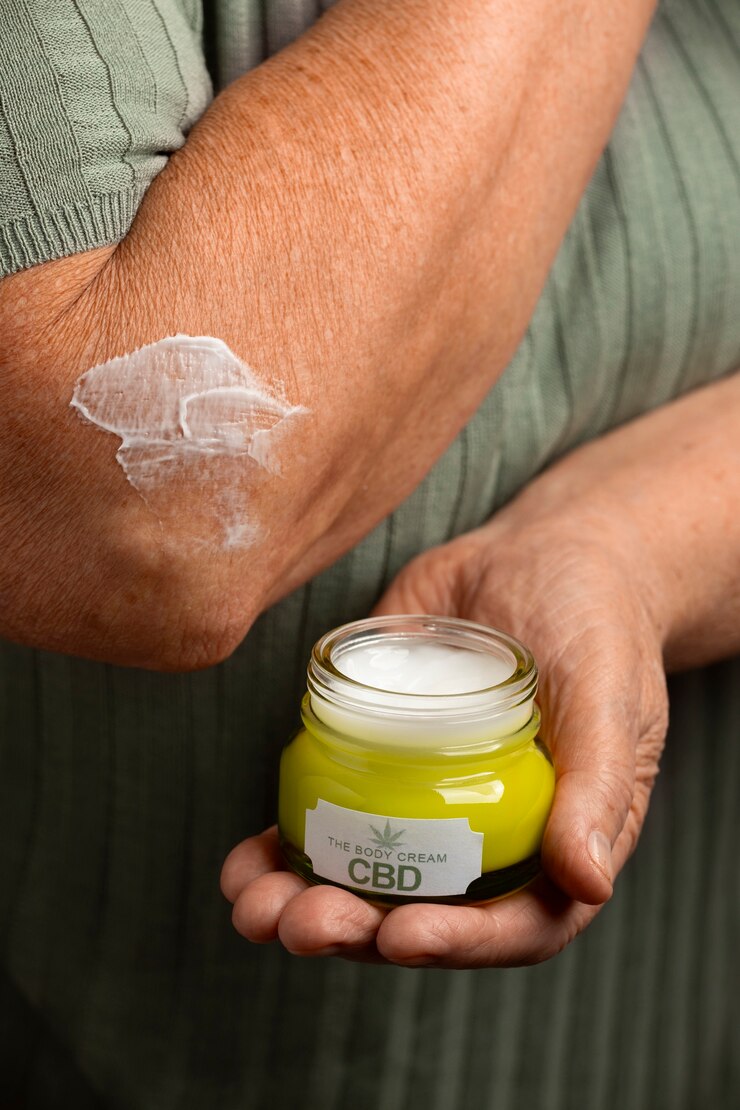

Wrist Pain Ointment Guide: Relief for Hand and Wrist Stiffness
Wrist pain can make everyday tasks—typing, cooking, lifting—uncomfortable or nearly impossible. Whether caused by repetitive strain, arthritis, or minor injury, finding the right topical relief matters. A wrist pain ointment offers targeted, non-invasive support that works directly where you need it most.
This guide explains what to look for in a wrist pain ointment, how different formulations work, and when topical solutions make the most sense. We'll also cover practical tips for choosing and using these products effectively.
What Is a Wrist Pain Ointment?
A wrist pain ointment is a topical product designed to soothe discomfort, reduce stiffness, and support joint mobility in the hand and wrist area. These ointments typically contain active ingredients that penetrate the skin to deliver relief at the source of pain.
Common types include:
- Warming ointments that stimulate circulation and relax tight muscles
- Cooling gels that reduce inflammation and numb discomfort
- Natural-ingredient formulas using botanicals, essential oils, or bee-derived compounds
- Menthol or camphor-based creams that provide immediate sensory relief

When to Use a Wrist Pain Ointment
Topical ointments work best for localized, non-emergency wrist pain. Consider using one if you experience:
- Stiffness after extended computer use or repetitive hand movements
- Mild to moderate arthritis discomfort in the wrist or hand joints
- Post-exercise soreness or strain
- Minor sprains or overuse injuries
- Morning stiffness that improves with movement
If you have severe pain, swelling, numbness, or sudden loss of function, consult a healthcare provider before relying solely on topical treatments.
Key Ingredients to Look For
Not all wrist pain ointments are created equal. The active ingredients determine how the product works and who it's best suited for.
| Ingredient | How It Works | Best For |
|---|---|---|
| Menthol | Creates cooling sensation, distracts from pain signals | Immediate relief, post-activity soreness |
| Camphor | Mild analgesic, warming effect, improves circulation | Stiffness, cold-weather discomfort |
| Capsaicin | Depletes pain-signaling substance P over time | Chronic pain, arthritis (requires consistent use) |
| Bee venom | Stimulates localized immune response, may reduce inflammation | Joint stiffness, natural-ingredient preference |
| Arnica | Traditional herbal anti-inflammatory | Bruising, minor sprains |
| CBD or hemp extract | May modulate pain perception and inflammation | General discomfort, natural alternatives |
If you have sensitive skin or allergies, check the full ingredient list carefully. Patch-test new products on a small area before applying to the entire wrist.
How to Choose the Right Wrist Pain Ointment
Your choice depends on the type of pain, your skin sensitivity, and personal preferences. Here's a practical decision framework:
Consider Your Pain Type
For acute, activity-related pain: Look for fast-acting cooling or warming ointments with menthol or camphor. These provide quick sensory relief and are ideal for post-workout or overuse discomfort.
For chronic stiffness or arthritis: Choose formulas with sustained-release ingredients like capsaicin or natural anti-inflammatories. Consistency matters more than immediate sensation.
For morning stiffness: Warming ointments that stimulate circulation can help loosen tight joints before you start your day.
Check the Texture and Absorption
Ointments vary in texture—some are thick and greasy, others absorb quickly. If you need to apply before work or daily activities, choose a non-greasy formula that won't interfere with typing or handling objects.
Natural vs. Synthetic Ingredients
Natural-ingredient ointments appeal to consumers seeking gentler, plant-based solutions. Products like the Bee Venom Wrist Joint Care Cream use bee venom as a primary active ingredient, which some users prefer over synthetic compounds.
However, "natural" doesn't automatically mean safer or more effective. Bee venom, for example, can cause allergic reactions in sensitive individuals. Always review ingredient lists and consider your own tolerances.

How to Apply Wrist Pain Ointment Effectively
Proper application maximizes the ointment's effectiveness and minimizes waste. Follow these steps:
- Clean and dry the area. Wash your wrist and hand with mild soap, then pat dry. This removes oils and dirt that could block absorption.
- Apply a small amount. Start with a pea-sized portion. You can always add more, but too much won't absorb well and may feel greasy.
- Massage gently. Use circular motions to work the ointment into the skin. Focus on the joint area, avoiding open cuts or broken skin.
- Wash your hands afterward. Unless you're also treating your hands, wash thoroughly to avoid transferring active ingredients to your eyes or other sensitive areas.
- Reapply as directed. Most ointments recommend 2-4 applications per day. Don't exceed the recommended frequency—more isn't always better.
Common Mistakes to Avoid
Even the best wrist pain ointment won't work well if used incorrectly. Watch out for these pitfalls:
- Applying to broken skin: Most topical pain relievers are for external use on intact skin only. Open wounds or rashes can lead to irritation or infection.
- Using heat or bandages immediately: Some ingredients become more potent with heat. Check product instructions before wrapping or applying heating pads.
- Expecting instant results from long-term formulas: Capsaicin and some natural ingredients require consistent use over several days to build effectiveness.
- Mixing multiple products: Using several different ointments at once can cause skin irritation or unpredictable interactions.
- Ignoring persistent pain: If your wrist pain doesn't improve after a week or two of consistent use, see a healthcare provider. Topical ointments aren't a substitute for diagnosis or treatment of underlying conditions.
Wrist Pain Ointment vs. Other Relief Methods
Topical ointments are one tool in a broader pain-management toolkit. Here's how they compare:
| Method | Pros | Cons |
|---|---|---|
| Topical ointment | Targeted relief, minimal systemic effects, easy to apply | Requires repeated application, may not address deeper issues |
| Oral pain relievers (NSAIDs) | Systemic relief, reduces inflammation throughout the body | Potential stomach upset, not suitable for long-term use |
| Wrist braces or supports | Stabilizes joint, prevents further strain | Can be bulky, doesn't directly relieve pain |
| Physical therapy | Addresses root cause, strengthens supporting muscles | Requires time and professional guidance |
| Ice or heat therapy | Simple, low-cost, reduces swelling or loosens stiffness | Temporary relief, requires repeated sessions |
For best results, combine approaches. A wrist pain ointment can complement bracing, rest, and gentle stretching—especially if you're managing chronic or repetitive-use discomfort.
Who Should Use a Wrist Pain Ointment?
Wrist pain ointments are suitable for a wide range of users, including:
- Office workers and typists who experience strain from prolonged keyboard use
- Athletes and gym-goers dealing with post-exercise soreness or minor sprains
- Older adults managing arthritis or age-related joint stiffness
- Crafters, musicians, and hobbyists who perform repetitive hand and wrist movements
- Anyone seeking non-invasive, topical pain management before considering oral medications
However, wrist pain ointments may not be ideal if you:
- Have open wounds, rashes, or infections on the wrist or hand
- Are allergic to common topical ingredients (menthol, camphor, bee products, etc.)
- Experience severe, sudden, or worsening pain that suggests injury or medical conditions requiring professional evaluation
What to Expect: Realistic Outcomes
Wrist pain ointments can provide meaningful relief, but they're not a cure-all. Here's what to expect:
Immediate relief formulas (menthol, camphor): You'll likely feel cooling or warming sensations within minutes. Pain reduction may be noticeable but temporary, lasting 2-4 hours per application.
Sustained-release formulas (capsaicin, natural anti-inflammatories): Benefits build gradually over several days of consistent use. Initial applications may feel mild, with peak effectiveness appearing after 1-2 weeks.
Natural-ingredient ointments (bee venom, arnica): Results vary by individual. Some users report significant improvement; others notice only modest changes. Patience and consistency are key.
If you don't see improvement after 10-14 days of regular use, reassess your approach. You may need a different formulation, additional supportive measures, or professional evaluation.
Frequently Asked Questions
Can I use wrist pain ointment every day?
Yes, most wrist pain ointments are safe for daily use when applied as directed. Follow the product's recommended frequency—typically 2-4 times per day. If you experience skin irritation, reduce frequency or discontinue use.
How long does it take for wrist pain ointment to work?
Fast-acting ointments with menthol or camphor provide relief within 5-10 minutes. Formulas with capsaicin or natural anti-inflammatories require consistent application over several days to reach full effectiveness.
Can I use wrist pain ointment with a wrist brace?
Yes, you can combine topical ointments with bracing. Apply the ointment first, allow it to absorb fully, then put on the brace. Avoid applying heat or occlusive wraps immediately after unless the product instructions specifically allow it.
Are wrist pain ointments safe during pregnancy?
Some ingredients—especially menthol, camphor, and certain essential oils—may not be recommended during pregnancy. Consult your healthcare provider before using any topical pain reliever if you're pregnant or breastfeeding.
What's the difference between a cream, gel, and ointment for wrist pain?
Creams absorb quickly and feel lighter, making them ideal for daytime use. Gels provide cooling sensations and are often preferred for acute pain. Ointments are thicker, longer-lasting, and better for overnight or intensive treatment. Choose based on your comfort and usage timing.
Can wrist pain ointment help with carpal tunnel syndrome?
Topical ointments may provide temporary relief from discomfort associated with carpal tunnel, but they don't address the underlying nerve compression. If you suspect carpal tunnel syndrome, see a healthcare provider for proper diagnosis and treatment options.
Finding the Right Wrist Pain Ointment for You
Choosing a wrist pain ointment comes down to understanding your pain type, ingredient preferences, and lifestyle needs. Whether you need fast-acting relief for occasional soreness or a natural formula for daily joint support, the right product can make a real difference in comfort and mobility.
Start by identifying your primary pain triggers—repetitive use, stiffness, or acute strain—and match that to an appropriate formulation. Read ingredient lists carefully, especially if you have sensitivities. And remember: topical ointments work best as part of a broader approach that includes rest, stretching, and proper ergonomics.
If you're looking for a natural option that targets wrist joint discomfort, consider the Bee Venom Wrist Joint Care Cream. It's formulated to soothe hand and wrist pain with a bee venom-based formula designed for joint support.
Whatever you choose, give the product time to work, apply it consistently, and listen to your body. If pain persists or worsens, professional evaluation is always the safest next step.