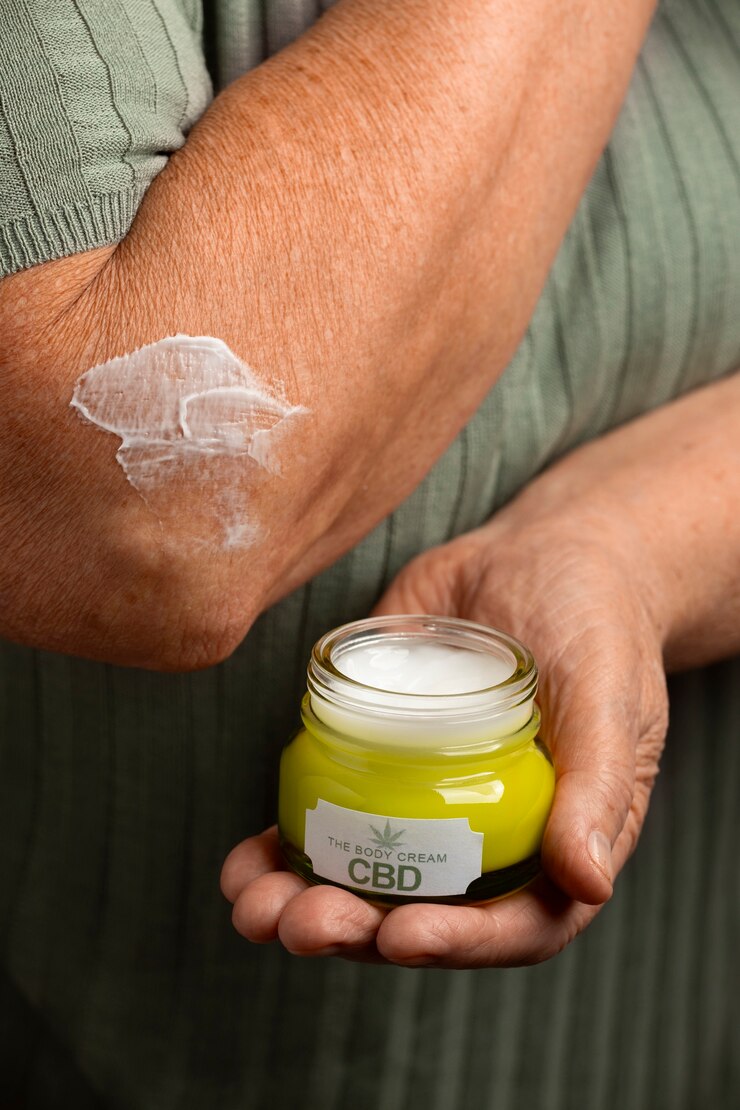

Hip Joint Pain Relief Cream: How to Choose One for Daily Comfort and Mobility
If you are looking for a hip joint pain relief cream, the best choice is usually one that fits your day-to-day needs: easy application, a comfortable feel on the skin, and a formula that supports short-term comfort without adding clutter to your routine. Topical creams are often used by people who want localized, practical support for mild to moderate joint discomfort, especially when they prefer a non-pill option they can apply where it hurts.
In this guide, we will look at what a hip joint pain relief cream can realistically do, which ingredients and textures matter most, and how to compare options before buying. If you want a product built specifically for hip-area comfort, you can also view the hip joint pain relief cream here.

Quick take: what matters most
- Choose a cream that is intended for targeted joint comfort, not just general skincare.
- Look for a texture that spreads easily and absorbs well, especially if you plan to use it during the day.
- Comfort should feel practical: soothing, convenient, and not overly greasy.
- Check whether the formula is designed for the hip area, which can be harder to reach and more sensitive to friction.
- Use topical relief as part of a broader comfort routine, not as a replacement for medical care if pain is persistent or severe.
What a hip joint pain relief cream can help with
A hip joint pain relief cream is usually chosen for localized comfort. People often reach for one when walking, standing, climbing stairs, or getting up from a seated position feels stiff or uncomfortable. The main appeal is convenience: you apply it directly to the area you want to target, and you can fit it into a routine without changing everything else you do.
For many shoppers, the goal is not a dramatic promise. It is more about practical support: a cream that feels soothing, is easy to apply, and fits into everyday movement without being messy or complicated. That is why the best options tend to be straightforward, comfortable, and consistent.
Comparison table: how to evaluate your options
| What to compare | Why it matters | What to look for |
|---|---|---|
| Target area | Hip pain is harder to access than many other joints | Easy spreadability and a formula made for localized use |
| Texture | You may use it before work, after exercise, or before bed | Non-greasy, quick-absorbing, comfortable on skin |
| Comfort feel | Some creams feel warming, cooling, or simply soothing | A sensation you can tolerate and use consistently |
| Routine fit | The best product is one you will actually use | Simple application and no heavy residue on clothing |
| Skin sensitivity | Topical products stay on the skin, so feel matters | Clear ingredient list and patch-testing if needed |
What to look for in a topical hip comfort product
1. A formula that supports local use
Hip pain is often felt deep in the joint or around the surrounding muscles, so a cream should be chosen for targeted application. That does not mean it must be complicated. In many cases, the best product is the one that is easy to place where you need it and comfortable enough to use regularly.
2. A texture that does not interrupt your day
Busy shoppers usually prefer creams that absorb quickly and do not leave a sticky layer. If a product feels heavy, transfers to clothing, or takes too long to settle, it is harder to keep using it. A more practical cream is one you can apply and move on with your routine.
3. Sensation that feels useful, not overwhelming
Some topical comfort products create a warming or cooling sensation. That can be helpful for people who like a noticeable feel, but it is not ideal for everyone. If your skin is sensitive, or if you prefer a more subtle experience, look for a formula that feels calming rather than intense.
4. Clear directions and simple use
Good topical products should be easy to understand. You should know where to apply it, how often to use it, and what to expect from the texture. When the instructions are simple, the product is easier to make part of a morning or evening routine.
When a hip joint pain relief cream is a good fit
This type of cream may be a good fit if you want localized comfort and prefer not to rely only on oral options. It can also be useful if you want something convenient for occasional stiffness, post-activity soreness, or a daily self-care routine that focuses on the hip area.
It may be less useful if you are dealing with severe pain, swelling, numbness, sudden injury, or pain that keeps getting worse. In those cases, it is important to seek medical advice instead of trying to solve the problem with a topical product alone.
| Use case | Good fit? | Why |
|---|---|---|
| Occasional hip stiffness | Yes | Topical support can be convenient and easy to repeat |
| Post-walk or post-workout comfort | Yes | Can be part of a simple recovery routine |
| Daily mobility support | Often | Depends on texture, skin feel, and personal preference |
| Severe or sudden hip pain | No | Needs professional evaluation |
Why shoppers look for bee venom-based joint creams
Some consumers are drawn to bee venom-based joint creams because they want a targeted topical product with a more specialized positioning than a basic muscle rub. The appeal is usually tied to the experience of use: a formula designed for joint-area comfort, a more focused application, and a product that feels purpose-built for mobility support.
If that is the kind of product you are researching, the Bee Venom Hip Joint Care Cream may be worth a closer look. The most important question is not whether a cream sounds strong or trendy. It is whether the product fits your skin, your comfort preference, and your daily routine.
How to use a hip joint pain relief cream more effectively
- Apply to clean, dry skin around the targeted area.
- Use a small amount first so you can judge the feel and absorption.
- Massage gently until the cream is evenly spread.
- Wait a moment before dressing if the formula needs time to absorb.
- Use consistently according to the product directions rather than applying too much at once.
A simple routine usually works better than overapplying. The goal is to make the cream easy to use and comfortable enough that you will want to keep it in your regular care routine.
Common mistakes to avoid
- Choosing based only on strong sensation instead of overall comfort and usability.
- Ignoring how the product feels on skin, especially if you have sensitivity concerns.
- Expecting a topical cream to solve pain that may need medical attention.
- Using a product that is too greasy or inconvenient for everyday wear.
- Skipping the directions and applying more than recommended.
Final buying advice
The best hip joint pain relief cream is the one that balances practicality, comfort, and consistency. For most consumers, that means a product that is easy to apply, fits into daily life, and offers a targeted feel without being overly complicated. If you want a product built around hip-area comfort, it makes sense to start with a focused option rather than a general-purpose cream and compare how it matches your routine.
To explore a product designed for this need, visit the Bee Venom Hip Joint Care Cream product page and review the details that matter most to you.
FAQ
What is a hip joint pain relief cream used for?
It is used for localized topical comfort around the hip area, often when someone wants a convenient, non-pill option for day-to-day stiffness or soreness.
How do I choose the right cream?
Look at texture, absorption, comfort feel, and how well the product fits your routine. The best option is usually the one you can use consistently.
Can I use a hip pain cream every day?
Many people use topical comfort products regularly, but you should always follow the product instructions and stop use if your skin reacts badly.
Is a stronger sensation better?
Not necessarily. A stronger warming or cooling sensation may feel useful to some people, but comfort and skin tolerance matter more over time.
When should I talk to a doctor?
If hip pain is severe, sudden, persistent, or linked to swelling, numbness, or injury, it is best to get medical advice instead of relying only on a cream.
Does a topical cream replace other treatment?
No. It can be one part of a comfort routine, but it should not replace professional care when pain needs evaluation.