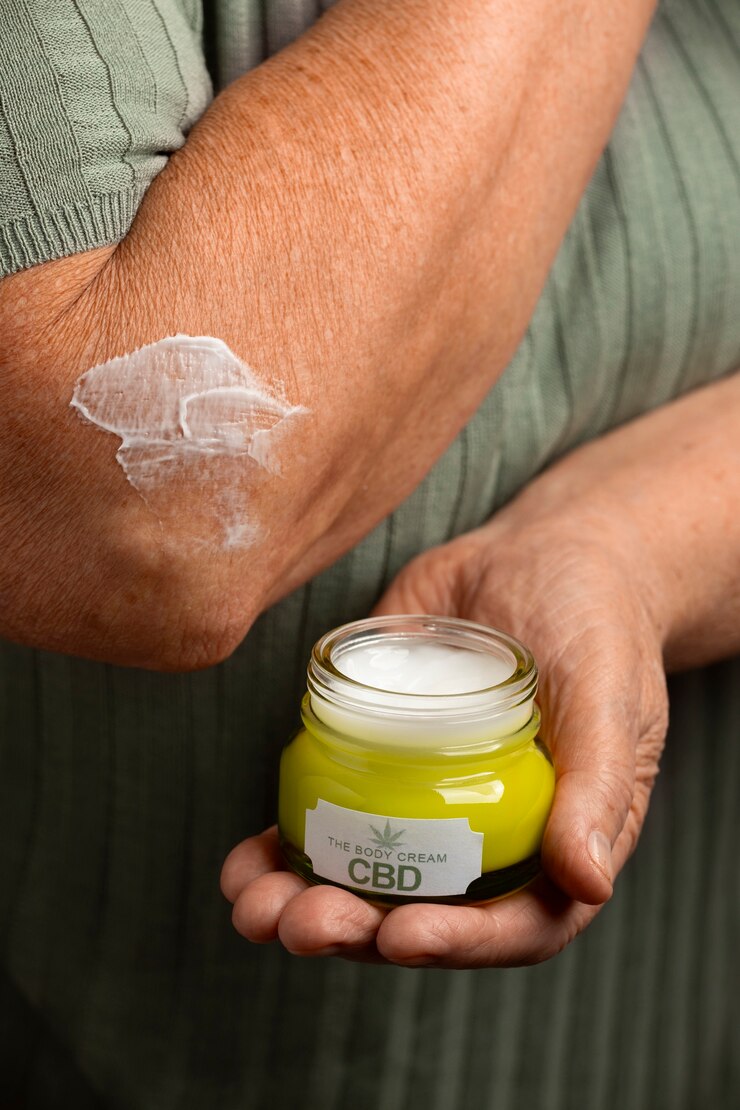

Arthritis Pain Relief: Topical Options That May Help Soothe Stiff Joints
If you’re looking for arthritis pain relief, topical creams can be a practical place to start for temporary comfort. They won’t cure arthritis, but they may help some people ease stiffness, reduce day-to-day soreness, and make movement feel a little easier when used alongside the care plan recommended by a clinician.
- Topicals are most useful when pain is mild to moderate and localized in one area.
- Look for a formula that feels comfortable on skin and fits your routine.
- Warmth, cooling, and massage-friendly textures can matter more than marketing claims.
- Consistency usually matters more than expecting instant results.
- For product comparison, focus on where you feel pain most often and how easy the cream is to apply.

Quick answer: what usually helps most?
For many shoppers, the best first step is a topical product that is easy to apply, comfortable on sensitive skin, and designed for targeted use rather than whole-body relief. If your arthritis discomfort is concentrated in one or two joints, a cream may be a better fit than a broader approach because it is simple to use before activity, after activity, or at the end of the day.
One option to compare is arthritis pain relief, especially if you want a topical format for hip or joint-area comfort. As with any product in this category, it’s best to treat it as one part of a broader routine, not a guaranteed fix.
How to compare topical arthritis relief options
Not all creams feel the same in real use. Some people prefer a lighter texture that absorbs quickly, while others want a richer cream they can massage in more slowly. The right choice depends on where the pain is, how often you plan to use it, and whether you prefer a warming, cooling, or neutral feel.
| What to compare | Why it matters | Best for |
|---|---|---|
| Application feel | A cream that spreads easily is more likely to become part of your routine | People who want quick, low-fuss use |
| Target area | Some formulas work better for localized discomfort than widespread soreness | Hip, knee, hand, neck, or back use |
| Skin comfort | Texture and scent can affect whether you want to keep using it | Frequent daily application |
| Routine fit | The best product is usually the one you can apply consistently | Morning, post-walk, or bedtime use |
| Expectation level | Topicals are for temporary soothing, not long-term disease treatment | Shoppers who want practical comfort support |
When a topical cream makes sense
A topical option can make sense when your arthritis discomfort is predictable and localized. For example, you may notice stiffness when you wake up, soreness after a walk, or tightness after sitting too long. In those situations, a cream is easy to keep near the bed, in a bathroom cabinet, or in a bag for use after activity.
It may be especially appealing if you want to avoid adding another oral product to your routine. That said, if pain is severe, worsening, or affecting your ability to function, it is worth talking to a healthcare professional rather than relying on a topical alone.
What to look for before buying
When you compare products for arthritis pain relief, focus on the details that affect everyday use rather than just headline claims.
| Buying question | What to look for | Why it helps |
|---|---|---|
| Will I actually use it? | Simple application and a texture you do not mind | Routine products tend to get used consistently |
| Where is the pain? | Focused topical support for the joint or muscle area | Better match for localized discomfort |
| How sensitive is my skin? | Comfortable feel and a formula you can tolerate | More likely to stay in regular use |
| Do I need it before activity? | Easy-to-apply cream that does not feel heavy | Useful for pre-walk or pre-workout routines |
| Do I want a daily product? | Something you can fit into a morning or evening habit | Consistency is often the real difference maker |
How to use a topical product safely and sensibly
- Start with clean, dry skin in the area you want to target.
- Apply a small amount first so you can judge the texture and feel.
- Massage it in gently rather than rubbing aggressively over a painful joint.
- Wait and observe how your skin responds before adding more.
- Use it consistently only if it feels comfortable and fits your routine.
If you are using a new topical for the first time, it is sensible to check the label carefully and avoid using it on irritated or broken skin. If you have a known sensitivity to bee-related ingredients or other common topical ingredients, review the product details first.
Who topical arthritis relief is best for
Topical relief is usually best for people who want a targeted, practical option for specific joints rather than a broad wellness product. It can be a good fit if you need something that is easy to apply after walking, gardening, commuting, or standing for long periods.
It is less useful if you want a solution for widespread, ongoing pain that changes a lot throughout the day. In that case, you may need a more comprehensive plan that includes medical guidance, movement, rest, and other therapies.
Common mistakes to avoid
- Expecting a cream to replace diagnosis or treatment.
- Choosing based on hype instead of texture, comfort, and routine fit.
- Using too much too soon and not checking how your skin reacts.
- Ignoring the difference between temporary soothing and long-term management.
- Buying a product that is inconvenient, then stopping after a few uses.
FAQ
Can a topical cream really help arthritis pain?
It may help some people with temporary comfort, especially for localized stiffness or soreness. Results vary, and it should not be treated as a cure.
Is a cream better than an oral pain reliever?
Not necessarily. A cream is often preferred for targeted use, while oral options may be chosen for broader relief. The better choice depends on your symptoms and medical advice.
How often should I use a topical product?
Follow the product instructions and start conservatively. A routine that feels manageable is usually more useful than overapplying.
What joint areas are most common for topical use?
People commonly apply topical products to hips, knees, hands, shoulders, neck, and lower back, depending on where discomfort is localized.
When should I talk to a doctor instead of self-treating?
If pain is severe, persistent, getting worse, or limiting daily activity, it is a good idea to seek medical guidance rather than relying only on a topical product.
What makes one cream easier to stick with than another?
Texture, scent, absorption, and how well the product fits into your daily routine often matter more than a long list of claims.
If you want to compare a focused topical option, review the details for arthritis pain relief and decide whether it fits your comfort, use case, and daily routine.