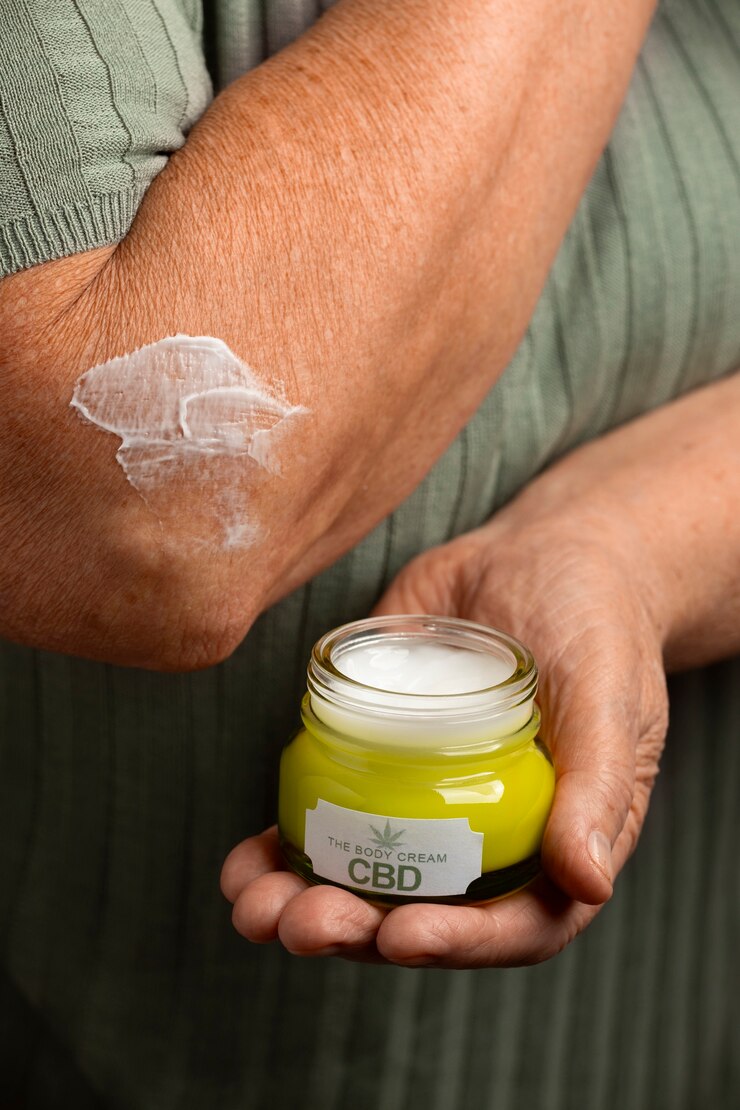

Topical Arthritis Pain Relief: Creams vs. Gels vs. Ointments
If you are shopping for topical arthritis pain relief, the shortest answer is this: choose a formula you will actually use consistently, because texture and convenience matter as much as the ingredient list. Creams are usually the easiest everyday pick, gels dry faster and feel lighter, and ointments tend to stay on the skin longer but can feel heavier.
For many people comparing practical, consumer-friendly options, a cream is the most balanced place to start. If you want a cream-style product to evaluate, the Bee Venom Hip Joint Care Cream is a relevant option to compare against other topical formats.

Quick take: which topical format fits arthritis pain best?
The best topical arthritis pain relief format depends on where you are applying it, how often you plan to use it, and whether you prefer a rich or light feel. There is no single “best” texture for everyone, but there is usually a best match for your routine.
- Creams are often the most versatile for daily use and easier to spread on larger areas.
- Gels usually feel cooler, absorb quickly, and work well if you dislike residue.
- Ointments are thicker and more occlusive, which some people prefer for longer contact on drier skin.
If you are new to topicals, start with the format you are most likely to apply regularly. Comfort and consistency often matter more than chasing the “strongest” texture.
Comparison table: creams vs. gels vs. ointments
| Format | Best for | Feel on skin | Main advantage | Possible drawback |
|---|---|---|---|---|
| Cream | Everyday use, larger areas, mixed skin types | Moderate, smooth, easy to spread | Balanced between comfort and ease of use | May feel less “light” than a gel |
| Gel | People who want a lighter finish or quick dry-down | Cool, fast-absorbing, less greasy | Convenient under clothing or during the day | Can feel drying or too thin for some users |
| Ointment | Very dry skin or times when a heavier layer is preferred | Rich, thick, more protective | Stays on the skin longer | May feel sticky or too heavy for daytime use |
How to choose a topical arthritis relief product
A good topical product should fit the way you live, not just the body area you want to treat. A formula that is pleasant to apply is more likely to become part of your routine, which is important when you are looking for steady, practical relief support.
1. Match the texture to the body area
Larger areas like hips, knees, and lower back are often easier to cover with a cream. Smaller areas, or places where you want a lighter feel, may be better suited to a gel. Ointments can make sense when the skin feels dry or when you prefer a more protective finish.
2. Think about when you will use it
Daytime use usually favors lighter textures that do not feel sticky under clothing. Evening use can be a better time for richer formulas, especially if you do not mind a heavier feel.
3. Look at the ingredient profile, but keep expectations realistic
Many topical products use botanical extracts, cooling ingredients, or warming ingredients to create a soothing feel. That can be useful, but it is still smart to choose based on comfort, smell, absorption, and how the product behaves on your skin. Topicals can support comfort, but they are not a substitute for medical care when symptoms are persistent, severe, or changing.
4. Check whether the product suits sensitive skin
If your skin reacts easily, start with a small test area and read the label closely. A product that is effective but uncomfortable is usually not the right long-term choice.

Where a cream-style option can make sense
For shoppers who want a middle-ground texture, a cream is often the most approachable choice. It is usually easier to apply than an ointment and feels less dry than many gels. That makes cream a practical starting point if you are comparing topical arthritis pain relief options for hips, knees, hands, or other joints that need regular attention.
The Bee Venom Hip Joint Care Cream fits that “daily-use” category well if you want something that is simple to apply and easy to work into a routine. As with any topical product, the best result is often the one you will use consistently and comfortably.
Practical buying checklist
- Choose a texture you will not mind applying more than once.
- Pick a format that matches the area you want to cover.
- Decide whether you prefer quick-drying, balanced, or richer coverage.
- Read the label for skin-sensitivity considerations.
- Use the product as directed and allow time to judge comfort.
Common mistakes shoppers make
One common mistake is choosing a product based only on intensity. A stronger scent, thicker feel, or cooling sensation does not automatically mean better day-to-day comfort. Another mistake is picking a formula that feels inconvenient, then using it too rarely to evaluate it fairly.
It also helps not to expect every topical to work the same way. Two products can both be called arthritis pain relief creams and still feel very different in real use because of texture, spreadability, and skin feel.
Frequently asked questions
What is the best topical arthritis pain relief option?
The best option is usually the one that fits your routine and skin preferences. Creams are the most balanced for many people, gels are best if you want a lighter finish, and ointments are useful if you prefer a thicker protective feel.
Are creams better than gels for arthritis?
Not always. Creams are often easier to use on larger areas and feel more comfortable for daily routines, while gels are preferred by people who want fast absorption and less residue.
Should I choose ointment for joint pain?
Ointments can be a good choice if you want a richer texture or if your skin is dry. They are less convenient for some people during the day because they can feel heavier or greasier.
Can I use topical arthritis relief on hips or knees?
Many topical products are used on larger joints like hips and knees, but you should always follow the product directions and avoid applying to irritated skin. If pain is persistent or worsening, it is a good idea to check with a healthcare professional.
How long should I wait before deciding if a topical product works?
Give it enough time to judge both comfort and practicality. If a formula is unpleasant to use, it may not be a good fit even if the ingredient list looks promising.
If you are comparing topical arthritis pain relief options, start with texture, comfort, and ease of use. Those three factors often determine whether a product becomes part of your routine or stays unused in a cabinet.
Explore the cream-style option: Bee Venom Hip Joint Care Cream.