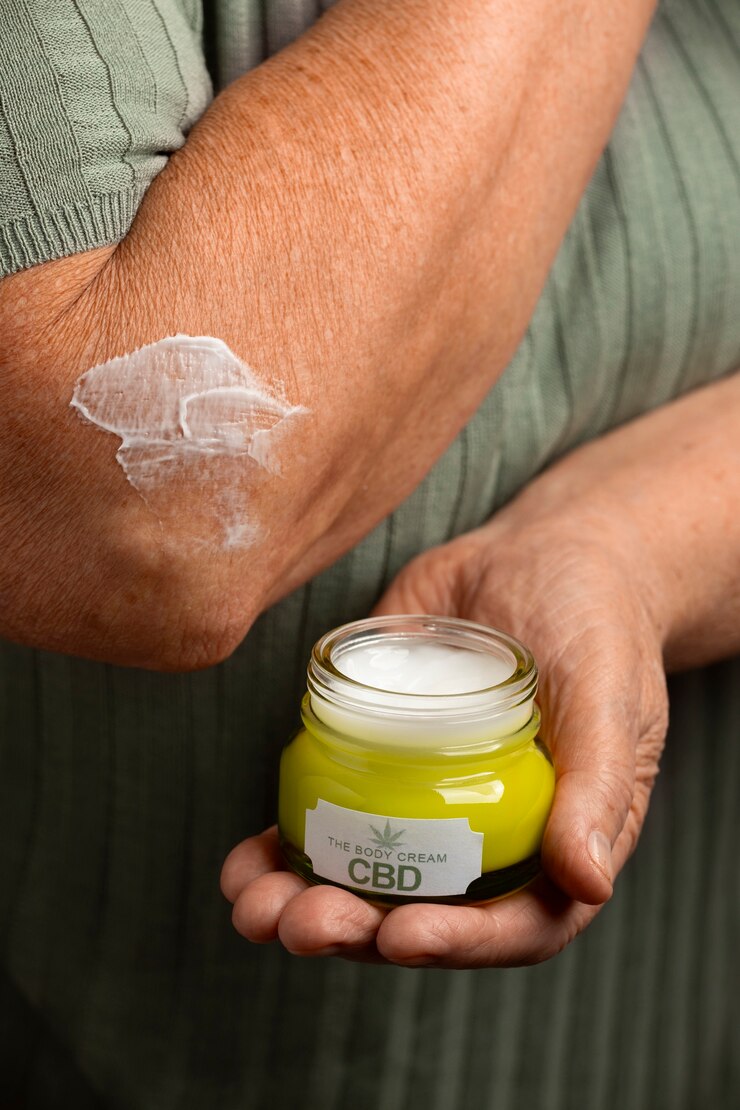

Body Butter vs Lotion: Choose for Your Skin and Routine
Body lotion is usually easier to spread over large areas and wear under clothes. Body butter usually feels richer and can suit smaller dry areas or an evening routine. But the words on the jar do not tell you everything: “body butter” is not a guarantee of better hydration, and a well-formulated cream may be the better choice for very dry skin.
The useful question is not which texture sounds more luxurious. It is which formula leaves your skin comfortable, fits the way you get dressed and is pleasant enough that you will keep using it.

Body butter vs lotion: the practical differences
Lotions are generally fluid emulsions that spread readily. Products sold as body butter are often thicker and richer in oils or butters, although some contain water and others do not. Body cream sits somewhere between them in everyday shopping language, but the boundaries overlap.
That is why a jar-versus-pump comparison is only a starting point. Read the ingredients, intended use and directions before deciding what belongs in your routine.
Swipe the table to compare all columns.
| What matters to you? | Body lotion | Body butter | Body cream |
|---|---|---|---|
| Typical feel | Fluid and easy to spread | Rich, dense or balm-like | Usually thicker than lotion |
| Convenient use | Large areas, quick morning application | Local dry patches or a slower evening routine | Areas needing richer care without necessarily choosing a butter |
| Under clothes | Often easier to wear immediately | May leave a noticeable film | Varies with the formula and amount |
| What the name cannot prove | How moisturizing or fragrance-free it is | That it contains water or suits sensitive skin | That it is non-greasy or treats a skin condition |
| Best deciding factor | Comfort after application | Comfort after application | Comfort after application |
These are common texture tendencies, not laboratory results for every product. A lightweight lotion can still be moisturizing, and a thick butter can feel greasy without solving the reason your skin feels tight.
What actually helps skin stay moisturized?
Moisturizers can combine three useful functions. Humectants, such as glycerin, help attract and retain water. Emollients smooth the feel of the skin. Occlusive ingredients help reduce water loss. The categories can overlap within one formula; there is no need to buy a separate product for each job.
DermNet's guide to emollients and moisturisers explains these roles and why different textures suit different uses. An ingredient list is therefore more informative than a label saying only “intensive” or “luxury.”
A water-free butter or oil can reduce moisture loss and soften the surface, but it is not the same formula as a water-containing lotion with humectants. If you are comparing oil as well, our guide to using body oil covers how it can fit around a moisturizing routine.
For very dry skin, the American Academy of Dermatology recommends a cream or ointment rather than a lotion. That advice supports choosing a richer suitable formula; it does not mean every product called body butter will outperform a cream.
Choose for the part of your day that usually goes wrong
You skip moisturizer because getting dressed feels sticky
Start with a lighter texture and a smaller amount. Apply where needed and let it settle before pulling on close-fitting clothes. If you consistently avoid a rich butter on work mornings, keeping it as your only moisturizer is not helping.
A lotion may be the more practical everyday option, with a richer product reserved for areas that still feel dry. You do not have to choose the same texture for your whole body or use both products on every area.
Your shins or elbows feel dry again soon after application
Look beyond texture alone. Long, hot showers and harsh cleansers can leave skin uncomfortable before moisturizer enters the picture. The AAD recommends short, warm showers, gentle cleansing and moisturizing while skin is still damp.
If a light lotion is not comfortable enough, try a suitable cream or richer moisturizer. Our dry-skin moisture-layering routine explains how to simplify the order of application without adding unnecessary steps.
You dislike a heavy finish in warm weather
A lotion may feel easier to live with during humid weather or on larger, hair-bearing areas. Reserve a heavier texture for isolated dry patches if needed. The calendar is not a rule: indoor heating, bathing habits and your own comfort can change what works even within the same season.
Your skin reacts easily
Compare the full formula rather than assuming a butter is gentler because it sounds natural. Fragrance and botanical oils can matter just as much as texture. The AAD distinguishes fragrance-free from unscented; an unscented product may still contain ingredients used to mask odor.
Repeated burning, cracking or an ongoing rash needs assessment. It is not simply a sign that you have not found a thick enough body butter.
How to apply without a greasy layer
For a general body moisturizer whose directions allow it, apply after a short warm shower while skin is slightly damp, not dripping. Spread a modest amount over one area before adding more. The aim is a comfortable finish, not a visible coat sitting on top of the skin.
Product-specific instructions take priority. Some targeted creams direct you to clean and dry the area first; do not replace those directions with a general after-shower tip.
Swipe the table to compare all columns.
| What you notice | Adjustment worth trying | What it does not tell you |
|---|---|---|
| Greasy film for an inconvenient length of time | Use less or choose a lighter texture for that time of day | That all moisturizers are unsuitable |
| Skin still feels tight | Review cleansing, application timing and whether you need a richer formula | That a thicker layer alone will fix it |
| Product rolls into little flakes | Try less product and fewer overlapping layers | That the flakes are necessarily dead skin |
| Stinging or persistent redness | Stop the product and reassess the ingredients and skin condition | That discomfort proves the product is effective |
| You keep forgetting to apply it | Keep the suitable product where your routine happens | That you need a more expensive formula |
Layering lotion and body butter is optional. If a single cream keeps the area comfortable, there is no extra credit for adding butter on top. If you do layer, introduce the change on a small area so you can judge whether it improves comfort or just adds residue.
A cream example: judge the formula, not just the format
Our Bee Venom Moisturizing Skin Care Cream illustrates a third format to consider alongside lotion and butter. It is a topical cream, not a body butter. The listed ingredients include Chrysanthellum indicum extract, bee venom and Mentha arvensis leaf oil.

Those ingredients do not establish that the formula is fragrance-free or suitable for someone who reacts to bee products or botanical oils. The listing also does not provide a measured texture comparison against a lotion or butter, so we would not call it the richer or faster-absorbing winner without that evidence.
If its ingredient list suits your needs, read the application directions on the product page and current package before choosing it. If you specifically want a fragrance-free basic moisturizer, use that requirement to guide the purchase rather than treating every cream as equivalent. Packaging language about a skin condition is not a substitute for advice about a persistent rash.
Compare value by use, not the biggest jar
Price per ounce can help compare package sizes, but it does not measure how well a product fits your routine. A large jar left unused because you dislike the finish is poor value. A product that requires an inconvenient wait before dressing may also be the wrong everyday choice, even if its ingredient list looks appealing.
Before buying, check the net quantity, opening or dispensing method and directions. A pump can be convenient for quick application; a jar can make a thick texture easier to access. Neither container proves product quality. Use clean hands or a clean applicator and close the container after use.
If you are changing products, try to keep your cleanser and bathing routine steady. Otherwise, it becomes hard to know whether improved comfort came from the moisturizer, a gentler shower routine or both.
Questions about body butter and lotion
Is body butter better than lotion for dry skin?
It can feel more comfortable on some dry areas, but the name alone is not enough. For very dry skin, a suitable cream or ointment is often worth considering. Evaluate the complete formula and how your skin feels after use rather than choosing solely by thickness.
Can I use body butter every day?
Follow its directions and your skin's tolerance. Daily use is not useful if it causes irritation or a finish you dislike. Some people prefer a lighter product most days and a richer one only where needed.
Do I need lotion underneath body butter?
No. A complete moisturizer may be enough by itself. A water-free butter and a lotion have different formulations, so layering can make sense in some routines, but it should solve a comfort problem rather than become an automatic requirement.
Can I use body lotion or butter on my face?
Do not assume a body product is intended for facial use. Check its label, particularly if your face is acne-prone or sensitive. A texture that feels comfortable on your legs may feel heavy or irritating on your face.
Which should I buy first?
Choose for the problem you actually have: quick full-body application, a richer option for dry patches, or a clearly specified formula for sensitive skin. When the choice is close, start with one product and judge comfort and consistency before buying a second texture.