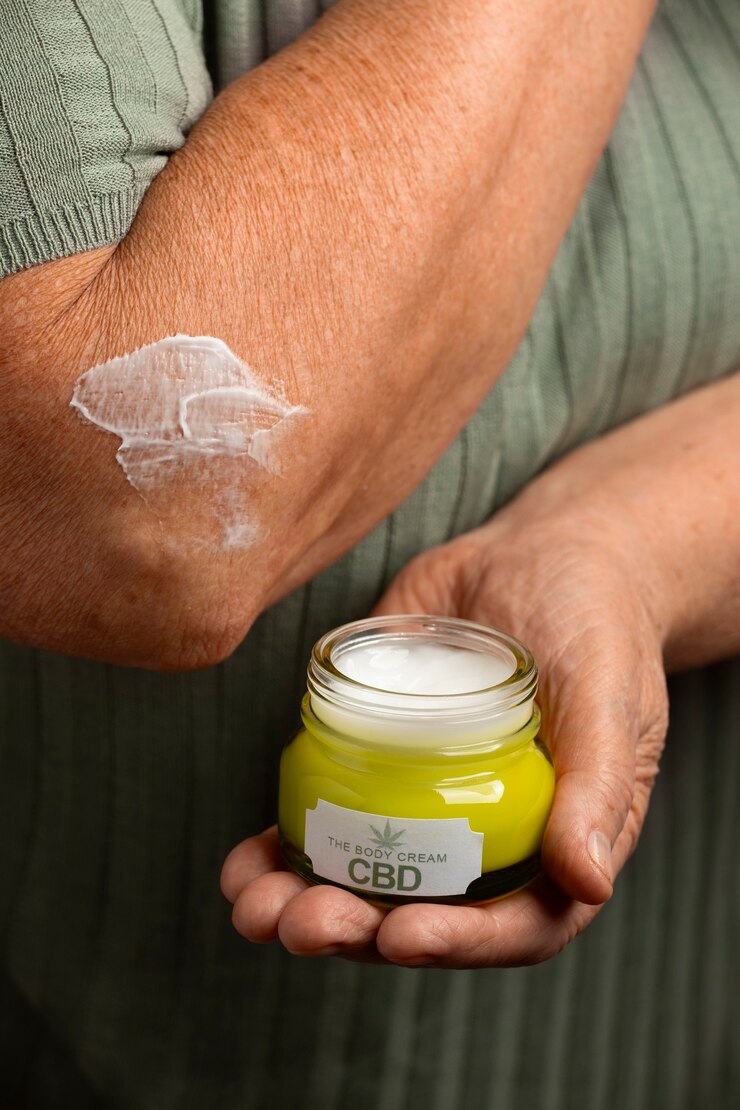

Shea Butter Benefits for Skin: Ingredients, Texture and Choice
Shea butter benefits for skin mainly involve softening a dry, rough-feeling surface and contributing richness to a moisturizer. It is an emollient ingredient, not a complete description of how a finished cream will perform. Choose by the full formula, intended body area, texture, and your tolerance. Shea butter alone does not establish that a product treats eczema, removes scars, or works for every sensitive skin type.
If your skin feels tight after a shower but you dislike an oily coating on clothes, the practical question is not simply whether shea butter is good. It is whether a particular formula gives enough comfort in a texture you will actually use. A dense raw butter, a whipped blend, and a water-based body cream can all feature shea while feeling very different on the skin.
This guide explains what shea contributes, how to read a real product panel, and how to judge a moisturizer without buying several nearly identical jars. For the wider format comparison, our body butter versus lotion guide covers where each texture fits into a daily routine.
What is shea butter doing in a skin-care formula?
Shea butter is a plant fat obtained from the kernels of the shea tree. Ingredient lists may identify it as Butyrospermum parkii butter. Its fatty components contribute to the texture and emollient character of a formula. In practical terms, an emollient helps a dry surface feel softer and smoother; it does not mean the product changes every underlying cause of dryness.
The DermNet overview of emollients and moisturizers explains why moisturizers often combine different ingredient roles. Water-binding ingredients, softening ingredients, and ingredients that help limit moisture loss can work together in one product. A single highlighted plant ingredient does not replace that formulation work.
Shea butter may also affect how a cream spreads, how rich it feels, and how much residual coating you notice. The result depends on its concentration and the rest of the formula, including other oils, water, emulsifiers, and thickeners. A jar that lists shea butter does not automatically feel like pure shea butter.
Benefits you can reasonably assess at home
A softer, less rough-feeling surface
For ordinary dryness on intact body skin, a shea-containing moisturizer can make rough areas feel more comfortable. Focus on a concrete observation: does the skin feel less tight after washing, and does your clothing rub less against a dry patch? These are more useful than expecting a particular ingredient to erase every visible line.
Compare similar conditions. If you apply one cream after a short lukewarm shower and another after a long hot bath, you are changing two variables at once. Keep the cleansing routine reasonably consistent so that your experience tells you something about the product rather than only the water temperature.
A richer texture in a finished moisturizer
Some people want a richer evening cream for elbows, shins, or other dry body areas. Others need a lighter product before getting dressed. Shea can appear in either type, because the amount and surrounding ingredients matter. The term “body butter” is not a standardized measure of shea content or moisturizing performance.
If you tend to skip moisturizer because it feels sticky, a formula you use consistently may be more useful than the richest one on the shelf. Judge spreadability, absorption, comfort, and the amount needed for your selected area. A pleasant texture is a practical feature, but it is not proof of medical effectiveness.
Support within a broader moisture routine
Moisturizing helps most when other habits are not repeatedly drying the skin. The AAD's dry-skin guidance recommends shorter, warm rather than hot bathing, gentle cleansing, and appropriate moisturization. A good cream cannot fully compensate for scrubbing a dry area aggressively every day.
If dryness persists despite a simple routine, or comes with cracking, marked itching, a spreading rash, or discomfort, get advice. Those symptoms may need a different approach. Repeatedly adding richer products can make it harder to identify what the skin is reacting to.
What does the research actually tell us?
A review of topical plant oils and skin-barrier effects discusses shea butter alongside other plant-derived ingredients. Such literature can explain why an ingredient is used and identify promising mechanisms. However, laboratory findings, ingredient studies, and trials of particular formulations are different kinds of evidence.
An ingredient's antioxidant or anti-inflammatory activity in a study does not establish that every consumer cream containing it treats inflammation or repairs a disease-damaged barrier. The dose, preparation, formulation, study population, and measured outcome all matter. A finished-product claim should be supported by evidence for that finished product or a clearly justified comparison.
For buying decisions, keep three questions separate: what is known about shea butter, what is documented about this complete formula, and what can you observe in your own routine? Combining those questions into “shea works, therefore this jar cures my rash” skips the most important evidence steps.
Read the whole formula, not just the front of the jar
| Label detail | What it helps you decide | What it does not prove |
|---|---|---|
| Shea butter listed among ingredients | The formula includes this emollient | Its exact concentration unless disclosed |
| Glycerin or hyaluronic acid | The formula includes water-binding ingredients | That an extra serum is required |
| Ceramide ingredients | Lipid-related ingredients are present | A specific repair speed or clinical outcome |
| Fragrance, botanical extracts, or bee-derived ingredients | Whether your known sensitivities need closer attention | That natural ingredients are automatically gentle |
| Body-care directions | The intended application area and sequence | Suitability for eyes, lips, wounds, or every facial routine |
| A non-greasy description | The texture the seller is presenting | Identical feel for every user and application amount |
Our glycerin benefits guide explains the water-binding side of this comparison. You may find shea and a humectant in the same cream; they are not competing choices just because separate ingredient articles discuss them independently. A complete moisturizer can be simpler than layering several single-ingredient products.

A real example: shea butter in a 50g honey body cream
The XIMONTH honey body cream with shea butter is a 50g body moisturizer. Its product panel includes shea butter, honey, aloe, ceramide NP, hyaluronic acid, bee venom, and additional ingredients, including salicylic acid. This is a formulated body cream, not a jar of pure shea butter or a two-ingredient honey-and-shea mixture.
Its useful buying features are specific: a small jar, a body-care application, and a finish described as non-greasy after absorption. The listing directs users to apply to dry body skin after bathing and massage gently until absorbed. Follow those product-specific directions rather than changing the sequence because another moisturizer recommends damp-skin application.
The complete ingredient list matters if you have known sensitivities. Bee venom and other components make this a different choice from plain shea butter. Do not choose it as an automatic solution for actively irritated skin, and do not assume its body-care directions mean it is an eye cream or wound product.
A 50g jar may suit selected dry areas or someone who prefers a compact format. Someone who routinely covers a larger area may compare size, amount used, and cost per use. Those practical differences are more useful than assuming the smaller or larger jar must be more effective. The skin and body-care collection provides other formulas and textures to compare.

Is shea butter good for dry skin?
It can be a useful emollient component for ordinary dry skin, especially when the finished formula is comfortable and used consistently. That answer depends on the rest of the product and the reason your skin feels dry. Dryness from frequent washing, for example, calls for both a moisture step and gentler exposure habits.
If you want to try a new product, introduce one change at a time on a small area according to suitable testing guidance. Observe for redness, itching, or discomfort rather than interpreting a warm or tingling sensation as proof that it is working. Stop a product that causes irritation. A clear initial test also cannot guarantee that an allergy will never develop later.
Very sensitive or eczema-prone skin deserves a more careful product choice. A fragrance-free, simple moisturizer recommended by your clinician may be a better starting point than a complex botanical blend. The presence of shea butter alone cannot tell you which choice will be tolerated.
Using shea butter for body skin without overcomplicating care
Start with one area that has an ordinary dryness problem, such as a dry shin or elbow. Keep your wash routine gentle, follow the product's application directions, and note whether the area feels comfortable during normal daily activity. Avoid using several new exfoliants and moisturizers at the same time.
For a one-week comparison, record four things: when you applied the cream, which area you covered, how the texture felt after it settled, and whether dryness or irritation returned. You do not need a numerical skin score. A short note such as “comfortable under trousers, no extra layer needed” is easier to act on.
If the product sits heavily on the surface, check the amount before deciding that every shea formula is too greasy. If a modest amount still feels wrong, choose a lighter formula rather than forcing the routine. If the product stings or produces a rash, stop; reducing the dose is not a substitute for evaluating a reaction.
Questions before choosing a shea moisturizer
Is raw shea butter better than a cream?
Not automatically. Raw butter and a formulated cream offer different textures and ingredient combinations. A cream may include humectants and other components that make application easier. Choose according to your skin's needs and the complete label, not a rule that fewer processing steps always produce a better result.
Can shea butter replace sunscreen?
No. Do not use a plant butter as sun protection. Choose a labeled sunscreen and other appropriate protection for sun exposure. Moisturizing comfort and protection from ultraviolet damage are separate jobs, even when the same morning routine includes both.
Does a shea cream remove scars or stretch marks?
The presence of shea butter does not establish either result. Moisturized skin can feel more comfortable and look smoother at the surface, but that is different from removing a scar or changing deeper structures. Be cautious with fixed timelines and dramatic before-and-after claims that do not identify the evidence.
Should I buy both shea butter and body lotion?
You may not need both. Check whether your existing moisturizer already includes the ingredients and texture you want. A single complete formula can be enough for ordinary moisture care. Add a separate product only when it solves a clear problem, not because two ingredient names sound complementary.
Sources and product information
Clinical background comes from DermNet on moisturizers, the AAD's dry-skin advice, and the plant-oil evidence review. Product size, ingredients, and directions were checked on October 26, 2026. Ingredient research is discussed as background, not as an independent clinical trial of the featured body cream.