
Sciatica Pain Relief Cream: How Topical Care Supports Back and Leg Discomfort
Sciatica pain radiates from the lower back down through the leg, often making simple movements feel unbearable. While targeted creams can't cure nerve compression, many people find that topical formulas help manage localized discomfort, reduce muscle tension around the affected area, and support recovery routines. This guide explains how sciatica pain relief creams work, what to look for, and how to use them alongside other care strategies.
What Is Sciatica and Why Does Topical Care Help?
Sciatica occurs when the sciatic nerve—which runs from the lower back through the hips and down each leg—becomes compressed or irritated. Common causes include herniated discs, spinal stenosis, and muscle tightness in the piriformis or lower back.
Topical creams don't address the root nerve compression, but they can:
- Deliver localized cooling or warming sensations that interrupt pain signals
- Relax tight muscles surrounding the sciatic nerve pathway
- Support circulation in the lower back and leg
- Provide a non-systemic alternative to oral pain relievers
For many users, creams work best as part of a broader plan that includes stretching, posture correction, and professional guidance.

Top Ingredients in Sciatica Pain Relief Creams
Not all topical formulas are the same. Here are the ingredients most commonly used for sciatic discomfort:
| Ingredient | How It Works | Best For |
|---|---|---|
| Menthol | Creates cooling sensation, distracts from pain signals | Acute flare-ups, surface-level relief |
| Capsaicin | Depletes substance P to reduce pain perception over time | Chronic nerve pain, requires consistent use |
| Bee Venom | Promotes localized circulation and warmth, may reduce inflammation | Deep muscle tension, lumbar and hip areas |
| Arnica | Traditional anti-inflammatory, supports bruising and soreness | Post-injury recovery, mild discomfort |
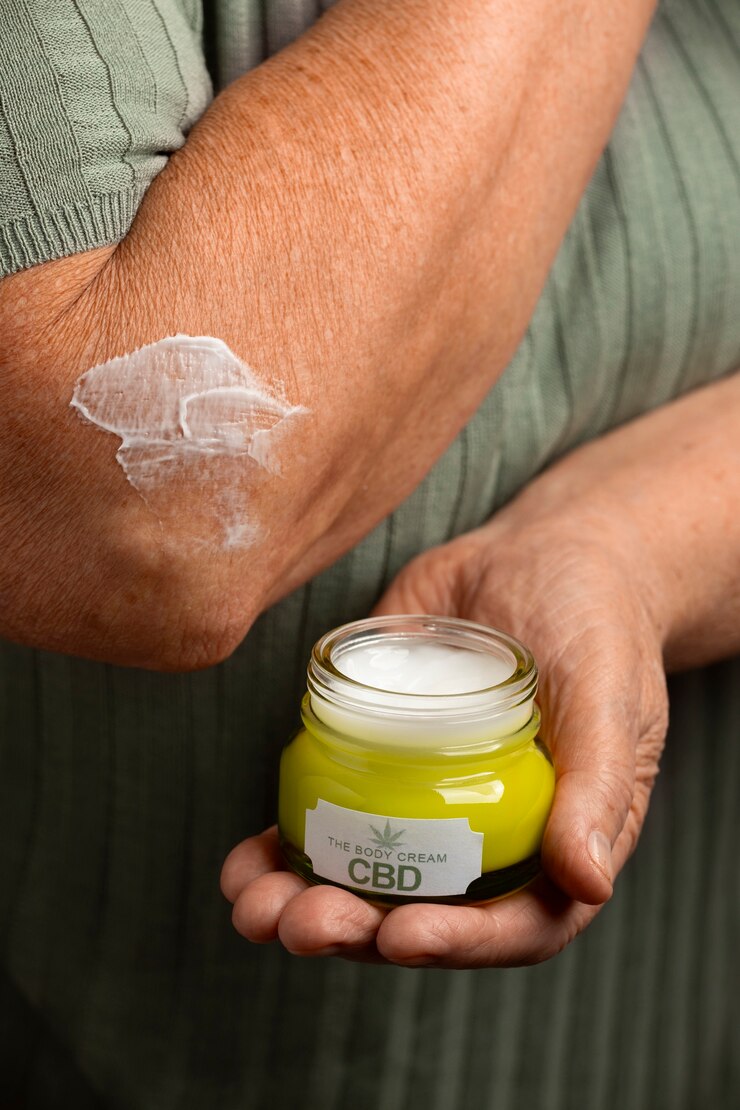
| CBD | Interacts with skin receptors to calm localized discomfort | Nerve-related pain, muscle tightness |
Bee venom formulas, like the Bee Venom Spinal Joint Care Cream, are popular for lower back and lumbar support because they combine warming action with targeted ingredient delivery.
How to Choose the Right Sciatica Pain Relief Cream
Consider these factors when selecting a topical product:
1. Sensation Preference
Some people prefer cooling relief during acute flare-ups, while others find warming formulas more effective for deep muscle tension. Menthol-based creams cool quickly, while capsaicin and bee venom formulas create warmth.
2. Ingredient Sensitivity
Capsaicin can cause a burning sensation that some users find uncomfortable. Bee venom should be avoided if you have a known allergy to bee stings. Always patch-test a new cream on a small area first.
3. Absorption and Texture
Creams absorb faster than ointments but may need reapplication. Balms tend to last longer but can feel greasy. For daytime use under clothing, choose a fast-absorbing formula.
4. Complementary Use
If you're already taking oral anti-inflammatories or muscle relaxants, a topical cream can provide additional localized relief without adding systemic medication load.
How to Use Sciatica Pain Relief Cream Effectively
Follow these steps for best results:
- Clean and dry the area – Remove lotions, oils, or sweat before applying.
- Apply a thin layer – Focus on the lower back, hip, and the path of pain down the leg. Avoid over-application, which won't increase effectiveness.
- Massage gently – Use circular motions to help the cream absorb and encourage blood flow.
- Wash hands afterward – Especially with capsaicin or menthol formulas, to avoid accidental contact with eyes or sensitive skin.
- Reapply as needed – Most creams can be used 3–4 times daily, but check product instructions.
- Pair with movement – Gentle stretching or walking after application can enhance circulation and relief.
When Topical Creams Work Best (and When They Don't)
Creams are most effective for:
- Muscle tightness around the sciatic nerve
- Localized lower back or hip discomfort
- Supporting recovery between physical therapy sessions
- Reducing reliance on oral pain relievers
They are less effective for:
- Severe nerve compression requiring medical intervention
- Pain that doesn't respond to conservative care after several weeks
- Numbness or weakness in the leg (see a doctor immediately)
If your sciatica doesn't improve with rest, stretching, and topical care within two weeks, consult a healthcare provider. Persistent or worsening symptoms may require imaging or physical therapy.
Comparing Sciatica Pain Relief Methods
| Method | Speed of Relief | Duration | Best Use Case |
|---|---|---|---|
| Topical Cream | 10–30 minutes | 2–4 hours | Localized pain, muscle tension |
| Oral NSAIDs | 30–60 minutes | 4–6 hours | Systemic inflammation, moderate pain |
| Heat Therapy | Immediate | During use | Muscle stiffness, chronic discomfort |
| Cold Therapy | Immediate | During use | Acute inflammation, flare-ups |
| Stretching | Gradual | Long-term | Nerve mobility, prevention |
Many people combine methods—applying a sciatica pain relief cream before stretching, or using heat therapy alongside topical care in the evening.
Common Mistakes to Avoid
1. Applying Too Much Product
A thin, even layer is enough. Excess cream won't penetrate deeper and may cause skin irritation.
2. Skipping the Patch Test
Even natural ingredients like bee venom or arnica can cause reactions. Test on your inner forearm before applying to a larger area.
3. Using Creams as a Sole Treatment
Topical care works best when combined with stretching, posture awareness, and activity modification. Don't rely on creams alone for long-term relief.
4. Ignoring Red Flags
If you experience sudden weakness, loss of bladder control, or severe pain that doesn't respond to any home care, seek medical attention immediately. These may indicate a serious nerve issue.
Who Should Use Sciatica Pain Relief Cream?
These creams are well-suited for:
- People with mild to moderate sciatic discomfort
- Those managing flare-ups related to posture, prolonged sitting, or light strain
- Individuals looking for non-oral pain management options
- Users who want targeted relief without systemic side effects
They may not be ideal for:
- Severe or progressive neurological symptoms
- People with allergies to key ingredients (capsaicin, bee venom, etc.)
- Those with open wounds or skin conditions in the application area

Lifestyle Tips to Support Sciatica Relief
Topical care is most effective when paired with these habits:
- Stretch daily – Focus on the piriformis, hamstrings, and lower back to reduce nerve compression.
- Adjust your workspace – Use a lumbar support cushion and keep your screen at eye level to avoid slouching.
- Stay active – Walking and swimming support circulation and reduce stiffness without stressing the spine.
- Avoid prolonged sitting – Stand and move every 30–40 minutes to prevent muscle tightness.
- Sleep smart – Place a pillow between your knees when side-sleeping to maintain spinal alignment.
Frequently Asked Questions
How quickly does sciatica pain relief cream work?
Most users feel a cooling or warming sensation within 10–15 minutes. Pain reduction varies by individual and severity, but many notice improvement within 30 minutes of application.
Can I use sciatica cream with other treatments?
Yes. Topical creams can be safely combined with oral pain relievers, stretching, heat therapy, and physical therapy. Always inform your healthcare provider about all treatments you're using.
How often should I apply the cream?
Most products recommend 3–4 times daily, or as needed. Avoid applying more frequently than the label suggests, as this can irritate skin without increasing relief.
Are there side effects?
Mild redness, warmth, or tingling at the application site is normal, especially with capsaicin or bee venom formulas. Stop use if you develop a rash, severe burning, or allergic symptoms.
Can I use sciatica cream during pregnancy?
Consult your doctor before using any topical pain relief product during pregnancy. Some ingredients, including certain essential oils and bee venom, may not be recommended.
What's the difference between sciatica cream and regular muscle rubs?
Sciatica creams often contain ingredients specifically chosen for nerve-related discomfort and deep muscle tension, such as bee venom, capsaicin, or CBD. Regular muscle rubs may focus more on surface-level soreness with menthol or camphor.
Final Thoughts
Sciatica pain relief cream can be a practical, non-invasive tool for managing lower back and leg discomfort. While it won't resolve underlying nerve compression, it helps many people reduce pain, support mobility, and improve daily comfort when used consistently and correctly. Pair topical care with stretching, posture awareness, and professional guidance for the best long-term results.