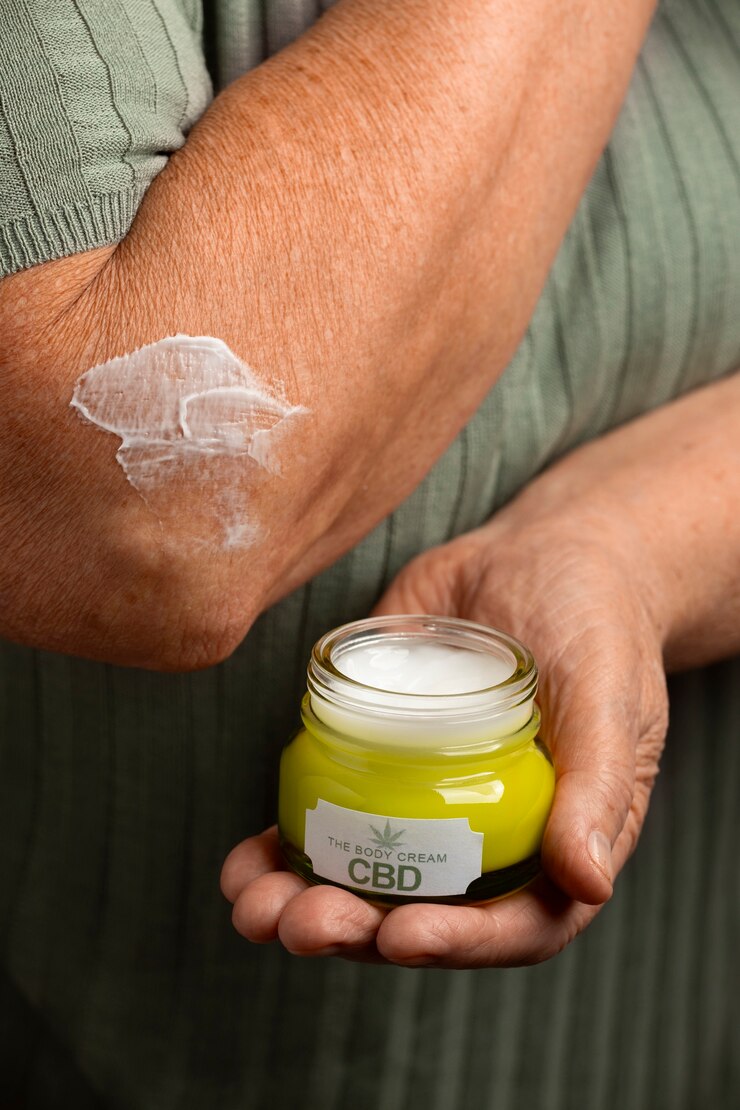

Where to Buy Bee Venom Cream: How to Compare Sellers and Formulas
If you are deciding where to buy bee venom cream, the key question is not just the storefront, but whether the seller provides clear ingredients, usage guidance, and a product format that fits your routine.
Browse the joint and muscle care collection.
This guide walks through the most reliable places to buy bee venom cream, what to check before you order, and how to evaluate quality, ingredient transparency, and seller credibility.
Where You Can Buy Bee Venom Cream
Bee venom cream is available through several channels, each with its own advantages and risks. Understanding where to shop—and what each option offers—helps you make a more informed decision.
Direct-to-Consumer E-Commerce Sites
Independent online stores that specialize in topical wellness products often carry bee venom formulations. These sites typically provide detailed product pages, ingredient lists, usage instructions, and customer reviews. Because they control the product presentation and fulfillment, quality and consistency tend to be higher than on third-party marketplaces.
When buying from a direct-to-consumer site, check for clear contact information, a return policy, and transparency about sourcing and formulation. A well-maintained site with educational content and responsive customer service is usually a good sign.

Online Marketplaces
Platforms like Amazon, eBay, and regional equivalents offer a wide selection of bee venom creams. The advantage is convenience and fast shipping. The downside is variability in product authenticity, labeling accuracy, and seller accountability.
If you buy from a marketplace, prioritize sellers with high ratings, verified purchase reviews, and clear return policies. Look for listings that include ingredient details, usage directions, and manufacturer information. Avoid listings with vague descriptions, stock photos only, or unusually low prices.
Health and Wellness Retailers
Some brick-and-mortar health stores, pharmacies, and wellness boutiques carry bee venom cream, especially in regions where apitherapy is more established. Shopping in person allows you to read labels, ask questions, and inspect packaging quality before buying.
However, selection may be limited, and staff knowledge can vary. If you choose this route, bring a list of ingredients or brands you've researched so you can compare on the spot.
Specialty Apitherapy Suppliers
Niche suppliers that focus exclusively on bee-derived products—honey, propolis, royal jelly, and venom—often offer higher-quality formulations. These businesses tend to have closer relationships with beekeepers and more rigorous quality control.
The trade-off is often higher prices and longer shipping times. But if you're looking for a product with traceable sourcing and minimal additives, this can be the best option.
What to Check Before You Order
Not all bee venom creams are formulated with the same care or transparency. Before adding a product to your cart, evaluate these factors to ensure you're getting a safe, effective, and well-made product.
Ingredient List and Transparency
A reputable product will list all ingredients clearly, including the concentration of bee venom (often listed as Apis mellifera venom or melittin). Look for formulations that also include complementary ingredients like menthol, camphor, arnica, or natural oils that support absorption and soothing.
Avoid products that use vague terms like "proprietary blend" without disclosing individual ingredients. This lack of transparency makes it harder to assess safety, especially if you have allergies or sensitivities.
Concentration and Potency
Bee venom concentration matters. Too little, and the product may not deliver noticeable effects. Too much, especially without proper carrier ingredients, may cause irritation. Look for products that specify the percentage or milligrams of venom per application.
If the product doesn't list concentration, that's a red flag. Quality manufacturers are transparent about potency because it's a key factor in both safety and efficacy.
Product Packaging and Shelf Life
Bee venom is a bioactive ingredient that can degrade over time, especially when exposed to heat, light, or air. Products should be packaged in opaque, airtight containers—tubes or jars with sealed lids are ideal.
Check for an expiration date or production date. If neither is listed, contact the seller before buying. Using expired or improperly stored bee venom cream may reduce effectiveness and increase the risk of irritation.
Allergen Warnings and Usage Instructions
Because bee venom can trigger allergic reactions in sensitive individuals, responsible brands include clear allergen warnings and a recommendation to patch test before full use. If these warnings are missing, it may indicate a lack of attention to consumer safety.
Usage instructions should also be specific: how much to apply, how often, and where. Vague directions like "apply as needed" are less helpful than "apply a pea-sized amount to the affected area up to three times daily."
Third-Party Testing or Certifications
Some brands submit their products for third-party testing to verify purity, potency, and safety. Look for mentions of GMP (Good Manufacturing Practices), ISO certification, or independent lab testing. While not all quality products have these certifications, their presence is a strong indicator of trustworthiness.
Customer Reviews and Feedback
Real user reviews can reveal a lot about how a product performs in practice. Look for reviews that mention specific use cases—knee pain, lower back stiffness, post-workout soreness—and note whether users experienced irritation, absorption issues, or noticeable relief.
Be cautious of products with only five-star reviews or reviews that sound overly promotional. A mix of ratings, with detailed feedback, is more credible.
Quick Buying Checklist
| Factor | What to Look For | Red Flags |
|---|---|---|
| Ingredient List | Full disclosure, venom concentration listed | Vague terms, no venom % specified |
| Packaging | Opaque, airtight, expiration date included | Clear plastic, no date, poor seal |
| Seller Reputation | Direct store, verified reviews, responsive support | Unverified marketplace seller, no contact info |
| Price | Mid-range, reflects quality ingredients | Unusually cheap, no explanation for low cost |
| Instructions | Clear usage, patch test warning, allergen note | No directions, no warnings |
Common Mistakes When Buying Bee Venom Cream
Choosing Based Only on Price
While it's tempting to go for the cheapest option, very low prices often signal diluted formulations, outdated stock, or poor-quality ingredients. Bee venom extraction and formulation require care, and that has a cost. A mid-range price usually reflects better sourcing and manufacturing standards.
Ignoring the Ingredient List
Some products labeled as "bee venom cream" contain only trace amounts of venom, with the bulk of the formula made up of fillers or synthetic fragrances. Always read the ingredient list and prioritize products where bee venom appears early in the list, indicating a higher concentration.
Skipping the Patch Test
Even if you've used other topical creams without issue, bee venom is a potent bioactive ingredient. Always patch test on a small area of skin—ideally on the inner forearm—before applying to larger or more sensitive areas like the knees or lower back.
Buying from Unverified International Sellers
Some international sellers offer bee venom products at low prices, but shipping times can be long, and quality control may be inconsistent. If you do buy internationally, research the seller thoroughly, check for import regulations in your country, and confirm the product meets local safety standards.
Who Should Use Bee Venom Cream
Bee venom cream is most commonly used by individuals seeking topical relief from joint discomfort, muscle soreness, or localized stiffness. It's popular among people with occasional knee pain, lower back tension, or post-exercise soreness.
That said, it's not suitable for everyone. People with known bee sting allergies, pregnant or breastfeeding individuals, and those with open wounds or skin infections should avoid bee venom products unless cleared by a healthcare provider.
If you're considering bee venom cream as part of a broader wellness routine, it's a good idea to consult with a doctor or physical therapist, especially if you have a chronic condition or are using other treatments.

How to Use Bee Venom Cream Safely
Once you've chosen a product, proper use is key to getting the best results while minimizing the risk of irritation or adverse reactions.
Start with a Patch Test
Apply a small amount of cream to a discreet area of skin and wait 24 hours. If you notice redness, swelling, itching, or a burning sensation, discontinue use and consult a healthcare provider.
Apply to Clean, Dry Skin
Wash and dry the area before application. This helps the cream absorb more effectively and reduces the risk of trapping dirt or bacteria under the product.
Use the Recommended Amount
More is not better. A pea-sized amount is usually enough for a small area like the knee or elbow. Gently massage the cream into the skin until fully absorbed.
Wash Your Hands After Application
Bee venom can cause irritation if it comes into contact with sensitive areas like the eyes, mouth, or mucous membranes. Always wash your hands thoroughly after applying the cream.
Monitor Your Skin's Response
Some tingling or warmth is normal and indicates that the active ingredients are working. However, if you experience intense burning, swelling, or a rash, stop using the product immediately.
Where to Buy: Recommended Approach
If you're looking for a well-formulated, transparent product, consider starting with a direct-to-consumer site that specializes in topical wellness products. For example, the bee venom ointment from Ximonths is designed specifically for joint discomfort, with clear ingredient disclosure, usage instructions, and quality packaging.
Buying directly from a reputable brand ensures you're getting a fresh product with proper storage and handling. It also gives you access to customer support if you have questions or concerns.
Comparing Bee Venom Cream to Other Topical Options
| Product Type | Main Active Ingredient | Best For | Consideration |
|---|---|---|---|
| Bee Venom Cream | Melittin (bee venom peptide) | Joint discomfort, localized stiffness | Requires patch test, not for bee-allergic individuals |
| Menthol/Camphor Balm | Menthol, camphor, eucalyptus | Muscle soreness, cooling sensation | Temporary relief, no bioactive peptides |
| Arnica Gel | Arnica montana extract | Bruising, post-injury swelling | Gentler, less potent for chronic joint issues |
| Capsaicin Cream | Capsaicin (chili pepper extract) | Nerve-related discomfort, arthritis | Can cause significant burning, not for broken skin |
Each option has its place. Bee venom cream is particularly appealing for those interested in bioactive peptides and targeted joint support. If you've tried menthol-based products and found them too mild, or capsaicin creams too intense, bee venom offers a middle ground with a unique mechanism of action.
What to Avoid When Shopping
Products with No Ingredient List
If a product doesn't disclose its ingredients, don't buy it. This is non-negotiable for topical products that contain bioactive compounds.
Sellers with No Contact Information
Reputable sellers provide clear contact details, a physical address, or at minimum a responsive email. If you can't reach the seller with a question, you won't be able to resolve an issue if something goes wrong.
Overly Hyped Claims
Be wary of products that promise instant results, claim to cure chronic conditions, or use language like "miracle cream" or "guaranteed relief." Quality bee venom creams can be helpful, but they're not miracle cures. Honest sellers set realistic expectations.
Products with Excessive Additives
Some creams are loaded with synthetic fragrances, dyes, or unnecessary thickeners. These don't improve performance and may increase the risk of irritation. Simpler formulations with recognizable ingredients are usually better.
Frequently Asked Questions
Is bee venom cream safe for sensitive skin?
Bee venom can be irritating for some people, especially those with sensitive skin or a history of reactions to insect stings. Always patch test before full use, and start with a lower-concentration product if you're concerned.
Can I use bee venom cream every day?
Most products are designed for daily use, typically two to three times per day. However, if you notice increased redness or irritation, reduce the frequency or take a break. Follow the usage instructions on your specific product.
How long does it take to feel results?
Some users report a warming or tingling sensation within minutes of application, which may provide immediate comfort. For noticeable improvement in joint stiffness or soreness, consistent use over one to two weeks is more common. Results vary based on the individual and the severity of discomfort.
Can I use bee venom cream with other topical treatments?
It's generally best to avoid layering multiple active topical treatments in the same area, as this can increase the risk of irritation. If you're using another cream or ointment, apply them at different times of day or consult with a healthcare provider.
Where should I store bee venom cream?
Store the cream in a cool, dry place away from direct sunlight. Avoid leaving it in a hot car or bathroom with high humidity, as heat and moisture can degrade the active ingredients.
What should I do if I have an allergic reaction?
If you experience severe swelling, difficulty breathing, or hives after using bee venom cream, seek medical attention immediately. For mild irritation, discontinue use, wash the area with soap and water, and monitor symptoms. If they persist or worsen, consult a healthcare provider.
Final Thoughts
Knowing where to buy bee venom cream is just as important as choosing the right product. Prioritize sellers with transparent ingredient lists, clear usage instructions, and strong reputations. Whether you shop through a direct-to-consumer site, a trusted marketplace, or a specialty retailer, take the time to evaluate quality, potency, and safety before you order.
Bee venom cream can be a valuable addition to a topical wellness routine, especially for joint discomfort and localized stiffness. But only if you buy from a source you can trust and use the product as directed. With the right approach, you can make a more informed purchase and get the most out of this unique natural ingredient.