
Shoulder Pain Treatment Options: When to Consider Topical Support
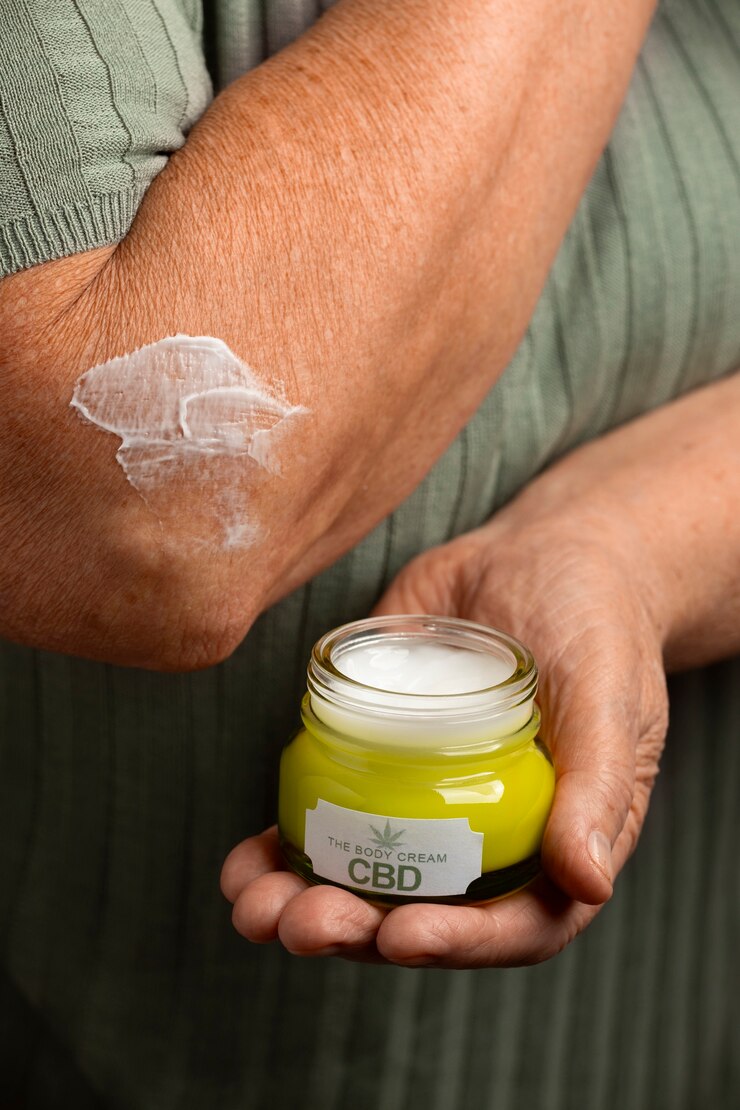
Shoulder pain treatment depends on what is causing the discomfort, how long it has been going on, and how much it affects daily movement. For mild soreness, stiffness, or muscle tension, many people start with rest, gentle movement, heat or cold, and topical support. If you want a practical, non-invasive option to use as part of a broader routine, a massage cream may be worth considering.
Here are the main takeaways:
- Shoulder pain can come from overuse, posture, tension, or joint irritation.
- Topical products are most useful for local, everyday discomfort support.
- Look for a product that is comfortable to apply, easy to massage in, and suitable for routine use.
- Severe, sudden, or long-lasting pain should be assessed by a healthcare professional.
- A good shoulder pain treatment plan usually combines more than one approach.

Quick answer: when topical support makes sense
If the shoulder pain feels mild to moderate, is tied to muscle tension, or shows up after repetitive activity, topical support can be a sensible first step. It is not a substitute for diagnosis or treatment of an injury, but it can fit well into a simple comfort routine. If you are exploring a product option, the Best Cream for Shoulder Pain – Bee Venom Massage Cream | Laniska is positioned for people who want a massage-style topical product they can use on sore areas as needed.
| Situation | What usually helps | Topical support fit? |
|---|---|---|
| Post-workout tightness | Rest, light stretching, massage, heat | Often yes |
| Desk-related stiffness | Posture changes, movement breaks, massage | Often yes |
| Short-term soreness | Gentle movement, comfort care | Often yes |
| Sudden injury or swelling | Medical assessment first | No, not as the only step |
| Pain with numbness or weakness | Professional evaluation | No, seek care |
What shoulder pain treatment usually includes
Shoulder discomfort is not one single problem, so treatment should match the cause. A workout strain, long hours at a desk, sleeping in an awkward position, and shoulder joint irritation can all feel similar at first. That is why the most practical approach is usually a mix of symptom support and movement habits.
For many people, the early routine looks like this: reduce the activity that is aggravating the shoulder, keep the joint moving gently, and use comfort measures that are easy to repeat. A topical cream can be part of that routine because it is simple, local, and convenient. It may be especially appealing if you want something that is less disruptive than a rigid brace or an elaborate recovery setup.
Common non-invasive support options
- Rest and activity adjustment: helpful when the shoulder is irritated by repeated lifting, carrying, or reaching.
- Gentle mobility work: useful when stiffness is part of the problem.
- Heat or cold: often chosen based on whether the area feels tight or inflamed.
- Topical massage products: useful for local comfort and for making self-massage easier.
How to choose a topical product for shoulder discomfort
Not every cream feels the same on the skin or works the same in a daily routine. If you are choosing a product for shoulder pain treatment, focus on practical factors rather than marketing language.
| What to look for | Why it matters | Good sign in a shoulder cream |
|---|---|---|
| Texture | A cream that spreads easily is simpler to massage into the shoulder area | Smooth, non-greasy application |
| Use context | Some products are better for daily comfort, not just one-time use | Suitable for routine massage |
| Skin feel | The shoulder is a large, easy-to-overapply area | Comfortable finish that does not feel overly sticky |
| Application ease | If it is awkward to apply, you are less likely to use it consistently | Easy to spread by hand |
| Compatibility with routine | Best results come from products you can realistically use after work, exercise, or before bed | Fits into everyday habits |
That is why a massage cream often makes sense for consumer use: it can be applied quickly, used on the shoulder or nearby tension areas, and combined with gentle self-massage. If you prefer a simple topical option, the Laniska cream can be considered as part of a broader comfort strategy rather than a stand-alone answer.
When topical support is more likely to be useful
Topical products tend to be most relevant when the discomfort is localized and manageable. They are often chosen by people who feel sore after sitting too long, carrying bags, working at a computer, or exercising the upper body. In those situations, the goal is not to “fix” the shoulder with a cream alone. The goal is to make the area feel easier to manage while you address the underlying habit or strain.
Topical support may be less useful if the pain is sharp, severe, or connected to a clear injury. It is also not the right first step if the shoulder pain comes with symptoms such as numbness, tingling, fever, major swelling, or trouble moving the arm. In those cases, a professional evaluation matters more than any over-the-counter comfort product.
How to use a shoulder cream as part of a routine
If you decide to use a massage cream, keep the routine simple. The best approach is usually consistent and gentle rather than aggressive.
- Apply a small amount to clean, dry skin.
- Massage it into the shoulder area using comfortable pressure.
- Use it after activity, at the end of the day, or when stiffness starts to build.
- Combine it with mobility breaks and posture changes if the discomfort is related to desk work or repetitive motion.
- Stop using it if your skin feels irritated or if the pain pattern changes in a concerning way.
This kind of routine keeps expectations realistic. A topical product can support comfort, but it works best when paired with movement, rest, and better day-to-day habits.
Who this type of shoulder pain treatment is best for
A topical massage cream is most useful for people who want an easy, low-effort option for everyday soreness. It can be a good fit if you want something to keep at home, in a gym bag, or in a desk drawer. It may also suit someone who prefers a non-tablet option for temporary comfort support.
It is less suitable for someone looking for a replacement for medical care, rehabilitation, or diagnosis. If the shoulder pain has lasted for weeks, keeps returning, or limits normal movement, it is better to investigate the cause rather than rely on a comfort product alone.
Shoulder pain treatment: practical buying advice
When comparing topical products, think like a consumer, not a marketer. Ask whether the product is easy to use, comfortable on the skin, and realistic to keep using. If a cream is too messy, too strong-feeling, or inconvenient, it will not become part of your routine. That matters more than a long list of claims.
The most practical shoulder pain treatment plan often includes three layers: reduce the trigger, keep the shoulder moving gently, and use a topical comfort product when it helps you stay consistent. For many readers, that is the sweet spot between doing too little and overcomplicating the problem.
Frequently asked questions
What is the best first step for mild shoulder pain?
Start with rest from aggravating activity, gentle movement, and simple comfort measures. If the pain is local and manageable, a topical massage cream may also fit into the routine.
Can a cream help with shoulder stiffness?
It may help with comfort and massage, especially when stiffness is related to tension or overuse. It should be seen as support, not a cure.
Should I use heat or cold for shoulder pain?
That depends on the feeling of the shoulder. Some people prefer heat for stiffness and cold for recent soreness, but the right choice depends on the situation.
When should shoulder pain be checked by a doctor?
Seek medical advice if the pain is sudden, severe, linked to an injury, or accompanied by weakness, numbness, fever, or major swelling.
Is topical support enough on its own?
Usually not for anything more than mild discomfort. It works best as one part of a broader shoulder pain treatment routine.
How often can I use a massage cream?
Follow the product directions and use it in a way that feels comfortable for your skin and routine. If irritation occurs, stop using it.
If you want a simple topical option to add to your shoulder care routine, review the product details and decide whether a massage cream fits your comfort needs and daily habits.