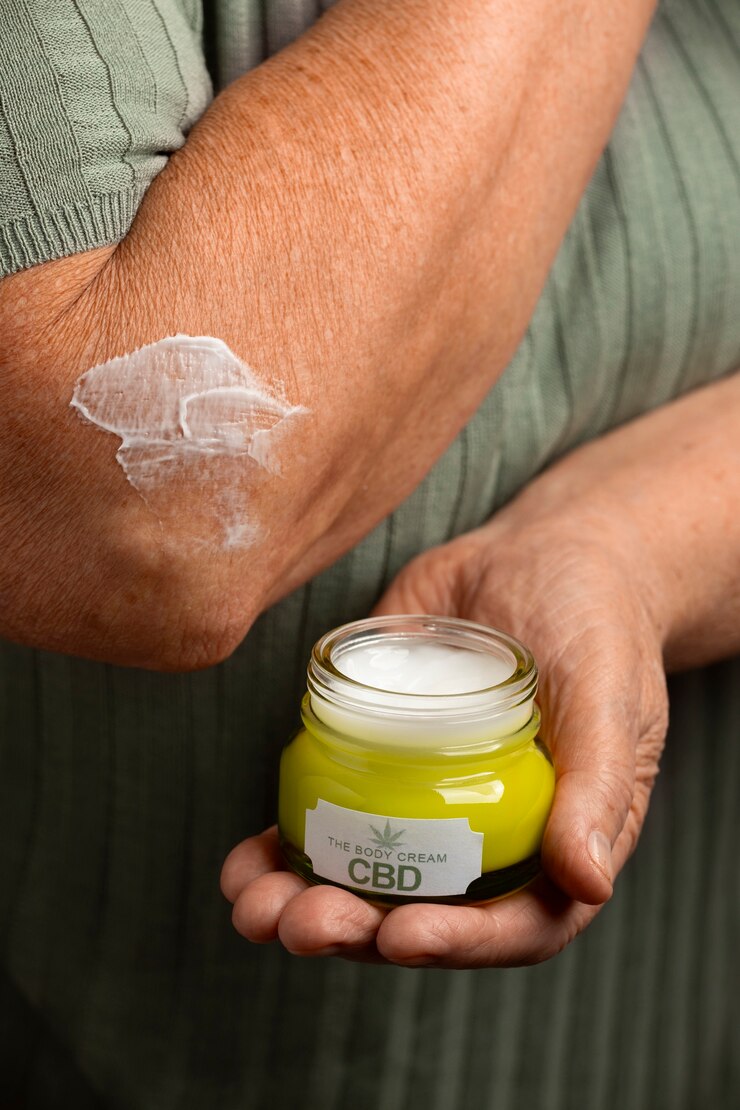

Shoulder Pain Treatment at Home: Where a Topical Cream Can Fit
Shoulder pain treatment at home usually works best when you combine rest, gentle movement, heat or cold, posture changes, and a practical topical option. For many people, a massage cream can fit into that routine as a comfort step, especially when the pain feels related to stiffness, overuse, or everyday muscle tension rather than a sudden injury.
- Start with the simplest home care first: reduce strain, keep the shoulder moving gently, and use heat or cold as needed.
- A topical cream can be useful when you want targeted massage support without taking a more involved approach.
- The best home routine depends on whether the pain feels like tightness, soreness after activity, or a movement-related twinge.
- If pain is severe, sudden, or getting worse, home care is not enough and you should get medical advice.
For readers who want a topical product to use alongside a home routine, a massage cream can be a sensible part of the plan. One option is shoulder pain treatment support in cream form, which may appeal to people looking for a simple, rub-on product as part of their daily comfort routine.

Quick answer: what helps shoulder pain at home?
For many everyday cases, the most useful shoulder pain treatment at home is a combination of short-term load reduction, gentle mobility work, and a comfort product you can apply locally. If the pain is from overuse, sleeping position, or muscle tension, that approach may help you feel more manageable day to day. A topical massage cream can fit into that routine, but it should be seen as support, not a cure-all.
How to think about shoulder pain at home
Shoulder pain is not one single problem. It can feel different depending on the cause. Some people notice stiffness when lifting the arm. Others feel soreness after long desk hours, carrying a bag, exercise, or a poor sleeping position. The best home approach depends on what the pain is like and how long it has been there.
| What the pain feels like | What to try at home | Where a cream may fit |
|---|---|---|
| Muscle tightness or stiffness | Gentle stretches, light movement, heat | Use during a massage routine for comfort |
| Soreness after activity | Rest from the trigger, ice or heat, easy range-of-motion work | Can be used as part of a soothing massage step |
| Discomfort from posture or desk work | Break up sitting time, improve desk setup, move the shoulder often | Helpful if you like a topical product after long work hours |
| Sudden or severe pain | Stop activity and seek medical advice | Not the main solution |
A simple home routine that is realistic to follow
If you want a practical routine instead of chasing every possible remedy, keep it simple. The goal is to reduce irritation while you give the shoulder a chance to settle.
- Reduce the trigger for a day or two. If overhead reaching, heavy lifting, or sleeping on the painful side makes it worse, cut back where you can.
- Use gentle movement. Small, pain-free shoulder motions are often better than complete inactivity.
- Try heat or cold. Heat is often preferred for stiffness, while cold can feel better after a flare-up or activity.
- Support the area with a topical massage cream. A cream can be part of a short self-massage routine if that feels soothing.
- Reassess after a few days. If the pain is improving, keep the routine consistent. If not, reconsider the cause.
When a topical cream makes sense
A cream is most useful when the discomfort feels like everyday soreness, tightness, or overuse. People often like topical products because they are easy to apply, simple to keep near a desk or bed, and practical for repeat use. If you prefer a hands-on routine, a massage cream can be a comfortable part of that process.
That said, a cream should not distract from the basics. If your shoulder is irritated because of posture, repetitive motion, or too much strain, the product may feel better when used alongside rest, movement changes, and simple self-care.

What to look for in a home-care product
If you are comparing topical options, focus on how you actually plan to use the product. A good choice for home use is usually easy to apply, comfortable for massage, and suitable for regular routines without feeling complicated.
If you are comparing topical options for the shoulder, read our shoulder cream selection guide.
| Buying factor | Why it matters | What to consider |
|---|---|---|
| Texture | Affects how easily it spreads during massage | Choose something that feels smooth and easy to rub in |
| Routine fit | Home care only works if you can keep using it | Pick a product you can realistically use after work or before bed |
| Target use | Should match the kind of discomfort you have | Look for products positioned for joint or muscle comfort |
| Application style | Some people want a quick rub-on option | Prefer a cream if you want a topical, non-oral step |
Common mistakes to avoid
Home care is often most effective when people avoid a few predictable mistakes.
- Ignoring the cause. If the pain comes from a repeating movement or posture habit, the same habit will keep provoking it.
- Doing too much too soon. Jumping back into heavy use can make the shoulder feel worse again.
- Expecting one product to do everything. A cream can support comfort, but it does not replace movement changes or rest.
- Waiting too long for help. Persistent pain deserves proper assessment, especially if function is reduced.
When to stop home treatment and get checked
Home care is reasonable for mild, familiar soreness, but some symptoms need prompt medical attention. Get checked if the pain is severe, came on suddenly after an injury, lasts longer than expected, or is paired with swelling, numbness, weakness, fever, or major loss of motion. If you cannot lift the arm normally or the pain keeps returning, do not rely on home treatment alone.
FAQ
What is the best shoulder pain treatment at home?
The best home approach is usually a mix of rest from the trigger, gentle movement, and a comfort measure such as heat, cold, or a topical cream. The right combination depends on whether the problem feels like stiffness, soreness, or overuse.
Can a cream help shoulder pain?
A topical cream can help as part of a comfort routine, especially when the pain feels muscular or related to daily strain. It is best treated as support rather than a standalone solution.
Should I use heat or ice for shoulder pain?
Heat is often preferred for stiffness and tightness, while ice can feel better after a flare-up or new irritation. Many people try both at different times to see which is more comfortable.
How long should I try home care before getting help?
If the pain is mild and improving, a few days of careful home care may be enough. If it is not improving, keeps coming back, or limits normal movement, it is worth getting medical advice.
Is shoulder pain always from the joint?
No. Shoulder discomfort can also come from muscles, tendons, posture, sleep position, or overuse. That is why the home approach should match the likely cause.
What should I do if shoulder pain is worse at night?
Try adjusting your sleeping position, avoid pressure on the painful side, and use a comfort routine before bed. If night pain is persistent or severe, it should be assessed.
Final take
If you are looking at shoulder pain treatment at home, keep your routine simple, realistic, and focused on the cause of the discomfort. A topical massage cream can fit neatly into that approach when you want a targeted, easy-to-use comfort step. For readers who want a product page to compare, the Laniska cream is a practical place to start.