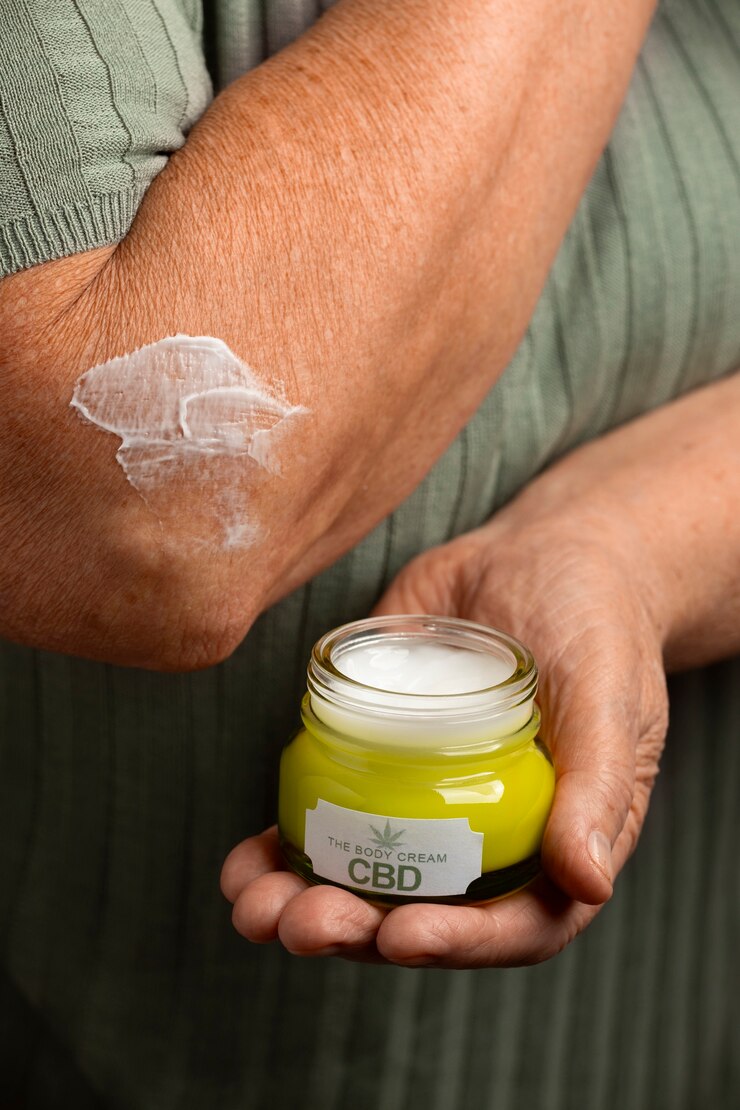

Foot Pain Relief Cream: How to Choose One for Daily Soreness
If you are looking for a foot pain relief cream, the best choice is usually the one that fits how you actually use it: after long shifts, around bunion-prone areas, before bed, or as part of a simple daily foot-care routine. The goal is not just temporary comfort, but a formula that feels practical, easy to apply, and suited to the areas that bother you most.
For readers who want a focused option, the bee venom foot pain relief cream is a product worth considering because it is positioned for fast soothing and bunion care in one step. Below, we will break down what to look for, when to use a cream versus other foot-care products, and how to choose something that matches daily soreness rather than generic body-care needs.

- Choose a foot cream based on where the soreness happens and how often you need it.
- Look for a formula that fits daily use, not just occasional relief.
- For bunion-prone areas, a targeted cream can be more practical than a general lotion.
- Texture and absorption matter because foot products are easier to use when they do not feel greasy.
- Use the product consistently and pair it with supportive footwear when needed.
Quick answer: what makes a good foot pain relief cream?
A good foot pain relief cream should be easy to apply, suited to the specific area of discomfort, and comfortable enough to use regularly. If your pain is tied to pressure points, bunion areas, or end-of-day soreness, a targeted cream can be more useful than a general moisturizer. The best formula is the one you will actually keep in your routine.
| What you need | What to look for in a cream | Why it matters |
|---|---|---|
| Daily soreness | Simple, easy-to-use formula | Works best when applied consistently after work or before bed |
| Bunion-prone areas | Targeted foot cream for specific zones | More practical than a general lotion for focused care |
| Busy routines | Fast-absorbing texture | Encourages regular use without leaving a heavy residue |
| Comfort-focused care | Formula designed for soothing | Helps the product feel like part of your recovery routine |
When a foot pain relief cream makes the most sense
Foot pain is often less about a single dramatic moment and more about repeat stress: standing too long, walking in unsupportive shoes, pressure around the big toe joint, or general daily fatigue. In those situations, a cream can make sense because it is easy to use right where the problem is. It also fits naturally into a routine you can repeat.
That matters because foot care products are most helpful when they match the actual cause of discomfort. If your feet feel tired at the end of the day, a cream can be part of a practical routine alongside better shoes, socks, rest, or stretching. If the pain is concentrated around bunion areas, a focused product may feel more relevant than a broad all-over body lotion.
How to compare foot creams before buying
Not every foot cream is built for the same user. Some are closer to basic moisturizers, while others are made for targeted comfort. Before buying, it helps to compare a few practical details instead of focusing only on the headline claim on the front of the package.
| Buying factor | Good sign | What to avoid |
|---|---|---|
| Use case | Clearly framed for foot soreness or bunion care | Vague body cream that does not address foot-specific needs |
| Texture | Absorbs well and feels comfortable in daily use | Too greasy or sticky to apply regularly |
| Application | Easy to use on targeted areas | Requires a complicated routine you will not keep up |
| Routine fit | Works after showering, before bed, or after long days | Only useful in a narrow scenario |
| Comfort goal | Supports a soothing, practical foot-care habit | Promises more than a topical cream can realistically deliver |
Why targeted foot care is often better than a general lotion
A general lotion can help dry skin, but foot discomfort often needs something more focused. Feet deal with pressure, friction, and long hours of use, so people usually want a product that feels made for that specific job. That is especially true when the issue is around bunion areas or the big toe joint, where a more targeted cream can feel more relevant to the user’s daily routine.
The main advantage of a targeted product is not just the ingredients list. It is the way it fits a real life pattern: apply it, let it absorb, move on with the day, and repeat when needed. That is why many people end up preferring a product such as the bee venom foot pain relief cream when they want one simple step for foot comfort.

How to use a foot pain relief cream in a simple routine
The easiest routines are the ones people keep. A foot pain relief cream works best when it is used consistently and in a way that feels low effort. Here is a straightforward approach many shoppers can follow:
- Clean and dry the feet first so the product can be applied comfortably.
- Use a small amount on the area that feels sore or under pressure.
- Massage it in gently until it is absorbed.
- Apply it at a time that fits your routine, such as after a shower or before bed.
- Pair it with supportive shoes or rest when the feet have been under extra strain.
If the product is part of bunion care, consistency matters even more. A cream will not replace good footwear or other foot-care habits, but it can be a useful part of a broader comfort routine.
Who this type of cream is best for
This type of cream is usually a good fit for people who want a practical, consumer-friendly solution for foot soreness. It is especially relevant if you:
- stand or walk for long periods
- want a product for end-of-day foot fatigue
- are looking for bunion-focused foot care
- prefer a cream you can use regularly without much effort
- want a straightforward product rather than a complicated foot-treatment routine
If your discomfort is severe, sudden, or worsening, it is smart to get medical advice instead of relying only on a topical product. A cream is best viewed as part of daily comfort care, not a substitute for proper evaluation when pain is persistent or intense.
Common mistakes when choosing a foot pain relief cream
One common mistake is choosing a product only because it sounds strong or dramatic. For daily foot care, the more useful choice is often the one that is easy to apply and easy to keep using. Another mistake is buying a general lotion when the real need is targeted foot comfort, especially around bunion-prone areas.
It is also easy to ignore texture. If a cream feels heavy or inconvenient, people stop using it. That is why a good foot cream should feel like a practical part of the day, not a chore. The right product should support your routine instead of interrupting it.
Final takeaway
If you are shopping for a foot pain relief cream, focus on fit: the right area, the right routine, and the right level of convenience. For people who want a targeted option for daily soreness and bunion care, the bee venom foot pain relief cream offers a clear, focused path to try. The best choice is the one that supports your feet consistently and comfortably.
FAQ
What is the best foot pain relief cream for daily use?
The best daily-use cream is one that is easy to apply, absorbs comfortably, and fits the areas where you feel soreness most often.
Can a foot pain relief cream help with bunion care?
A targeted cream can be part of bunion care by supporting comfort around the affected area, but it should be used as part of a broader foot-care routine.
Should I use foot cream before or after bed?
Either can work, but many people prefer using it at night because it fits easily into a routine and gives the product time to absorb.
Is a foot cream better than a regular lotion?
For foot-specific discomfort, yes. A foot cream is usually more practical because it is designed with feet and targeted areas in mind.
How often should I apply a foot pain relief cream?
Use it as directed on the product and in a way that matches your routine. Regular, consistent use is usually more helpful than occasional application.
When should I stop relying on a foot cream?
If pain is severe, persistent, or getting worse, it is better to speak with a healthcare professional rather than rely only on a topical cream.