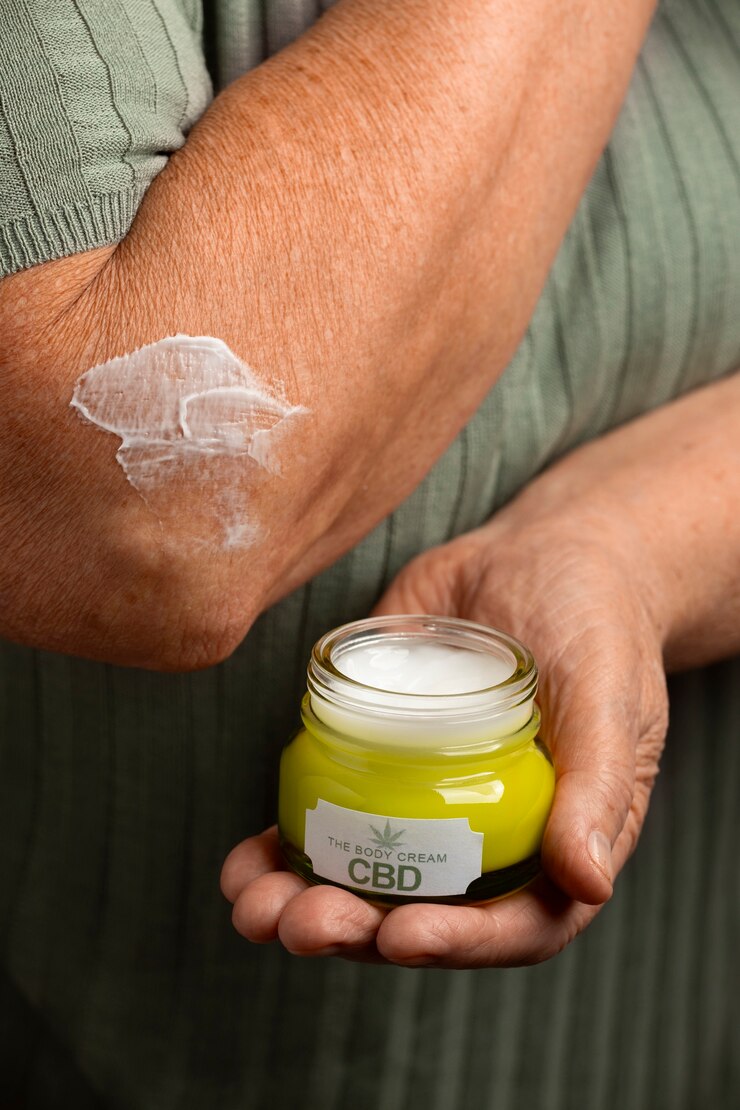

Best Bee Venom Cream for Joint Pain: Features Worth Comparing
Bee venom creams have gained attention for joint pain relief, but not all formulas deliver the same results. The best options combine bee venom with complementary ingredients like glucosamine, arnica, or menthol to address inflammation, stiffness, and discomfort. This guide breaks down what separates effective bee venom creams from generic options and helps you choose one that fits your joint pain type and daily routine.
If you're dealing with knee pain from overuse, wrist strain from repetitive work, or hip discomfort that limits mobility, the right bee venom cream can make a noticeable difference. We'll cover the key ingredients to look for, how different formulas work, and which products are worth considering based on real-world use cases.
Quick Take: What Makes a Bee Venom Cream Effective
The most effective bee venom creams share a few core traits. They use bee venom peptides (particularly melittin) to stimulate circulation and reduce inflammation at the application site. But bee venom alone isn't enough—formulas that add glucosamine support cartilage health, while arnica and menthol provide immediate cooling relief and help the cream absorb faster.
Texture matters too. Creams that absorb quickly without leaving a greasy residue work better for daily use, especially if you're applying them before work or exercise. Look for non-sticky formulas that layer well under clothing and don't require long wait times before dressing.

Top Bee Venom Cream Options for Joint Pain
Best Overall: Bee Venom Joint Care Cream with Glucosamine and Arnica
This formula combines bee venom peptides with glucosamine sulfate and arnica extract, making it a strong choice for joint pain that involves both inflammation and cartilage wear. The glucosamine helps support joint structure over time, while arnica reduces swelling and bruising. It absorbs within a few minutes and doesn't leave a heavy residue, which makes it practical for morning or pre-workout use.
It works well for knee pain from walking or standing, wrist discomfort from desk work, and general joint stiffness. The cream has a mild herbal scent and a smooth texture that spreads easily. If you're looking for a bee venom joint repair cream that balances immediate relief with longer-term support, this is a solid pick.
Best for Fast Relief: Bee Venom Fast-Absorbing Joint Care Cream
If you need something that works quickly and doesn't interfere with your routine, the fast-absorbing formula is worth considering. It uses a lighter base that sinks in within 30 seconds, making it ideal for people who need to apply and go. The bee venom concentration is similar to other creams, but the texture is less emollient, which some users prefer for daytime use.
This cream is particularly useful for office workers dealing with wrist or shoulder tension, or athletes applying it before a workout. It doesn't provide the same cartilage-support ingredients as glucosamine-based formulas, so it's better for short-term pain management than long-term joint health.
Best for Post-Workout Pain: Bee Venom Joint Care Cream for Post-Workout Pain
After exercise, joints often feel hot and swollen. This post-workout formula adds menthol and eucalyptus oil to the bee venom base, creating a cooling effect that helps reduce heat and inflammation. It's thicker than the fast-absorbing version, so it stays on the skin longer and provides extended relief.
Use this one after running, cycling, or weightlifting when your knees, hips, or elbows feel strained. The menthol gives immediate feedback, and the bee venom peptides continue working as the cream absorbs. It's not the best choice for daytime use under clothing, since the menthol scent is noticeable and the texture takes a few minutes to fully absorb.
Best for Wrist and Hand Pain: Bee Venom Wrist Joint Care Cream
Wrist and hand joints are smaller and more delicate, so a targeted formula helps. The wrist-specific cream uses a thinner consistency that's easier to spread over small areas without overloading the skin. It includes bee venom and arnica but skips heavier oils, making it less greasy for frequent application.
This works well for carpal tunnel discomfort, arthritis in the fingers, or repetitive strain from typing and gripping. Apply it twice daily, especially after activities that aggravate wrist pain. The small tube size also makes it easy to carry in a bag or desk drawer.
Comparison Table: Key Features of Top Bee Venom Creams
| Product | Best For | Key Ingredients | Absorption Speed | Scent |
|---|---|---|---|---|
| Bee Venom Joint Care Cream with Glucosamine and Arnica | Overall joint pain, cartilage support | Bee venom, glucosamine, arnica | 2-3 minutes | Mild herbal |
| Bee Venom Fast-Absorbing Joint Care Cream | Quick relief, daytime use | Bee venom, light base | 30 seconds | Minimal |
| Bee Venom Joint Care Cream for Post-Workout Pain | Post-exercise inflammation | Bee venom, menthol, eucalyptus | 3-4 minutes | Strong menthol |
| Bee Venom Wrist Joint Care Cream | Wrist and hand pain | Bee venom, arnica, thin base | 1-2 minutes | Mild |
| Bee Venom Hip Joint Care Cream | Hip mobility, deep joint pain | Bee venom, warming agents | 3-4 minutes | Mild warming |
How to Choose the Right Bee Venom Cream
Match the Formula to Your Pain Type
Not all joint pain is the same. If your discomfort comes from overuse or inflammation, a cream with bee venom and arnica will help reduce swelling and improve circulation. If you're dealing with cartilage breakdown or chronic stiffness, look for formulas that include glucosamine or chondroitin, which support joint structure over weeks of consistent use.
For pain that flares up after specific activities—like running or typing—choose a formula designed for that context. Post-workout creams with menthol cool inflamed joints quickly, while fast-absorbing options work better for pre-activity application.
Consider Absorption Speed and Texture
If you're applying the cream before heading out or starting your day, absorption speed matters. Fast-absorbing formulas dry within 30 seconds and don't leave residue on clothing. Thicker creams take longer to absorb but often provide more extended relief, making them better for evening use or after workouts when you have time to let the product settle.
Texture also affects how comfortable the cream feels during reapplication. If you need to use it multiple times a day, a lightweight, non-greasy formula will be easier to stick with than a heavy ointment that builds up on the skin.
Check Ingredient Compatibility
Bee venom can cause mild tingling or warmth when first applied, which is normal. But if you're using other topical products—like prescription creams or over-the-counter pain gels—check for ingredient overlap. Combining multiple menthol or capsaicin products can lead to excessive irritation.
If you have sensitive skin, start with a small test area before applying the cream to larger joints. Look for formulas that avoid synthetic fragrances and dyes, as these can increase the risk of irritation without adding therapeutic value.

Think About Long-Term Use vs. Immediate Relief
Some bee venom creams are formulated for short-term relief, while others are designed for ongoing use. If you're managing a chronic condition like arthritis, a formula with glucosamine or chondroitin will provide cumulative benefits over weeks of daily application. These ingredients support joint health beyond just reducing inflammation.
For acute pain—like a flare-up after a long walk or a day of heavy lifting—a fast-acting cream with menthol or arnica will give quicker feedback. You can also use both types: a glucosamine-based cream for daily maintenance and a menthol-based one for occasional flare-ups.
What to Expect When Using Bee Venom Cream
First Application
Bee venom creams often cause a mild tingling or warming sensation during the first few uses. This is caused by the peptides in bee venom increasing blood flow to the area. The sensation usually fades within 5-10 minutes and becomes less noticeable with regular use.
Apply a small amount to clean, dry skin and massage it in until fully absorbed. Avoid using the cream on broken skin, open wounds, or areas with active rashes. Wash your hands thoroughly after application to prevent accidental contact with your eyes or mouth.
Short-Term Effects
Most users notice some level of relief within 15-30 minutes of application. The bee venom peptides help reduce inflammation and improve circulation, which can ease stiffness and discomfort. Creams with menthol or eucalyptus provide a cooling or warming sensation that offers immediate feedback, though this doesn't necessarily mean the product is more effective—it just feels more noticeable.
For best results, apply the cream 2-3 times daily, especially after activities that aggravate joint pain. Consistency matters more than the amount used, so regular application with a moderate dose works better than occasional use with a heavy layer.
Long-Term Benefits
Over weeks of consistent use, formulas with glucosamine or chondroitin may help improve joint flexibility and reduce chronic stiffness. These ingredients support cartilage health, which can make a difference for people dealing with osteoarthritis or age-related joint wear.
Bee venom itself has been studied for its anti-inflammatory properties, and while individual results vary, many users report sustained improvement in joint comfort after 4-6 weeks of daily use. That said, bee venom creams are not a substitute for medical treatment. If your joint pain worsens or doesn't improve after a few weeks, consult a healthcare provider to rule out underlying conditions that may require different interventions.
Common Mistakes to Avoid
Overusing the Cream
More cream doesn't mean faster relief. Applying too much can leave a greasy residue and may increase the risk of skin irritation. A thin, even layer is enough to deliver the active ingredients. If you're not seeing results, focus on consistency rather than quantity.
Skipping Allergy Testing
Bee venom is generally well-tolerated, but people with bee sting allergies should avoid these creams entirely. Even if you're not allergic, it's wise to test a small amount on your inner forearm before applying it to larger areas. Wait 24 hours to check for redness, itching, or swelling.
Using It on the Wrong Pain Type
Bee venom creams work best for joint pain related to inflammation, overuse, or mild cartilage wear. They're less effective for nerve pain, tendonitis in acute stages, or pain caused by structural issues like torn ligaments. If your pain is sharp, radiating, or accompanied by numbness, see a healthcare provider before relying on topical creams.
Combining Too Many Topicals
Layering multiple pain-relief creams can lead to excessive irritation, especially if they all contain menthol, capsaicin, or other warming agents. Stick to one formula at a time and give it at least a week to assess effectiveness before switching or adding another product.
When to Choose Other Options
Bee venom creams are useful for managing mild to moderate joint pain, but they're not appropriate for every situation. If you're dealing with severe pain that limits your ability to move, or if your joints are visibly swollen and hot to the touch, a topical cream won't be enough. These symptoms may indicate an acute injury or inflammatory condition that requires medical attention.
For people with known bee allergies, bee venom products are off the table entirely. In those cases, consider alternatives like arnica-only creams, menthol-based gels, or capsaicin formulas. Each has its own mechanism of action, so you can still find effective relief without the bee venom component.
If you're managing a chronic condition like rheumatoid arthritis, bee venom cream can complement other treatments but shouldn't replace prescribed medications or physical therapy. Always discuss new topical products with your doctor, especially if you're using other anti-inflammatory drugs or blood thinners.
Where Bee Venom Creams Fit into a Joint Care Routine
Topical creams are one part of a broader joint care strategy. For best results, combine regular application with stretching, low-impact exercise, and proper rest. Strengthening the muscles around your joints reduces strain and can prevent future pain, while stretching helps maintain flexibility and range of motion.
If you're using a bee venom cream for chronic pain, consider pairing it with a care cream designed for long-term joint support. These formulas often include additional ingredients like collagen or hyaluronic acid, which complement the anti-inflammatory effects of bee venom.
For people dealing with pain in specific areas—like the hips or knees—targeted creams can be more effective than general-purpose formulas. A hip-focused cream may include warming agents that penetrate deeper tissue, while a knee-specific formula might prioritize fast absorption for use before physical activity.
FAQ
How long does it take for bee venom cream to work?
Most people notice some relief within 15-30 minutes of application, though the full anti-inflammatory effect may take longer. For chronic joint pain, consistent use over 4-6 weeks often provides the best results, especially with formulas that include glucosamine or chondroitin.
Can I use bee venom cream if I'm allergic to bees?
No. If you have a known allergy to bee stings, avoid bee venom creams entirely. Even topical application can trigger an allergic reaction in sensitive individuals. Choose an alternative like arnica-based or menthol-based pain relief products instead.
Is bee venom cream safe to use every day?
Yes, for most people. Bee venom creams are designed for regular use and are generally safe when applied as directed. Start with once or twice daily and adjust based on how your skin responds. If you experience persistent irritation, reduce frequency or try a gentler formula.
Can I use bee venom cream with other pain relief products?
Use caution when combining topical products. Layering multiple creams with menthol, capsaicin, or warming agents can increase the risk of skin irritation. If you're already using a prescription topical, check with your doctor before adding a bee venom cream to your routine.
Does bee venom cream work for arthritis?
Bee venom cream may help reduce inflammation and discomfort associated with osteoarthritis, especially when combined with ingredients like glucosamine. However, it's not a cure and should be used as part of a broader treatment plan that includes medical supervision, exercise, and other therapies as needed.
How much cream should I apply at once?
A thin, even layer is usually enough. Start with a small amount—about the size of a dime—and massage it into the affected area until fully absorbed. You can reapply 2-3 times daily, but avoid using excessive amounts, as this won't speed up relief and may cause irritation.
Can I use bee venom cream before exercise?
Yes, especially if you choose a fast-absorbing formula. Apply the cream 10-15 minutes before exercise to allow it to absorb and start working. Avoid menthol-heavy formulas before workouts if you find the cooling sensation distracting.
What's the difference between bee venom cream and bee venom ointment?
Creams are lighter and absorb faster, making them better for daytime use. Ointments are thicker and stay on the skin longer, which can provide extended relief but may feel greasy. Choose based on when and how you plan to use the product.
Final Thoughts
The best bee venom cream for joint pain depends on your specific needs, pain type, and daily routine. If you're looking for a well-rounded option that supports both immediate relief and long-term joint health, a formula with glucosamine and arnica is a strong choice. For faster absorption and daytime convenience, a lightweight cream works better. And if you're managing post-workout inflammation, a menthol-based formula provides targeted cooling relief.
Start with one product, use it consistently for at least two weeks, and pay attention to how your joints respond. If you're not seeing improvement, consider adjusting your formula or consulting a healthcare provider to explore other treatment options. Bee venom creams are a practical tool for joint pain management, but they work best as part of a broader approach that includes movement, rest, and proper care.
If you're ready to explore options, take a look at the 24h fast-acting collection or compare formulas in the pain cream category to find the right fit for your needs.