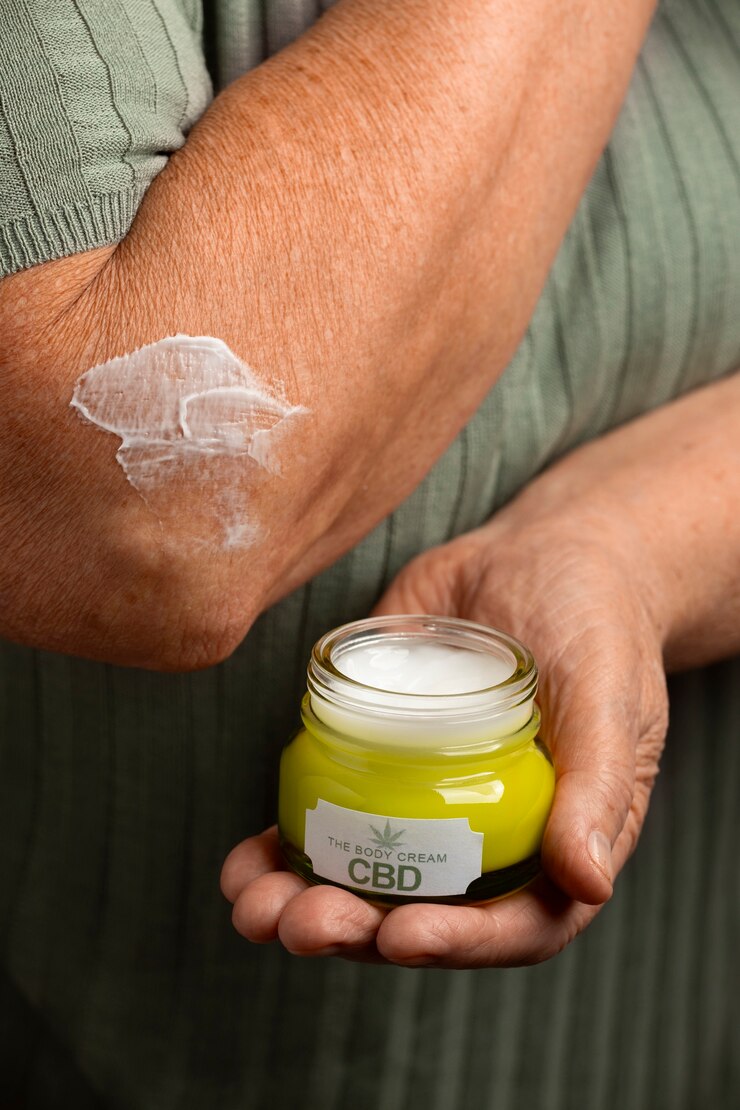

Best Bee Venom Cream for Arthritis: What Matters Most Before You Buy
If you're dealing with joint stiffness and arthritis discomfort, bee venom cream has become a popular natural option. But not all formulations work the same way. The best bee venom cream for arthritis combines bee venom peptides with complementary botanicals like arnica, and it should feel comfortable on your skin without irritation. This guide walks through what to look for, how these creams work, and when they make sense for your routine.
Our Top Pick: Bee Venom Arnica Joint Care Cream
For most people managing arthritis discomfort, the Bee Venom Arnica Joint Care Cream for Pain Relief offers a balanced formulation. It pairs bee venom extract with arnica montana flower extract, which is traditionally used to ease inflammation and swelling. The texture absorbs quickly, and it's designed for repeated daily use on knees, hands, shoulders, and lower back.

This cream works best when applied consistently—once in the morning and once before bed. It won't replace medical treatment, but many users find it helpful as part of a broader joint care routine that includes stretching, rest, and appropriate exercise.
What Makes a Bee Venom Cream Effective for Arthritis
Bee venom contains melittin, a peptide that may support the body's natural response to localized discomfort. When combined with arnica, the formula can address both stiffness and surface-level inflammation. Here's what separates a useful product from a gimmick:
- Concentration: The bee venom extract should be listed clearly in the ingredient panel, not buried at the end.
- Supporting botanicals: Arnica, menthol, or camphor can enhance the soothing effect.
- Texture: A non-greasy base that absorbs within a minute or two is easier to use throughout the day.
- Allergen testing: If you've never used bee venom topically, do a patch test on your inner forearm first.
Key Features to Compare
| Feature | Why It Matters | What to Look For |
|---|---|---|
| Bee venom source | Quality and concentration vary widely | Look for products that specify purified bee venom extract |
| Arnica content | Supports inflammation response | Arnica montana flower extract, ideally near the top of the ingredient list |
| Absorption speed | Affects daily usability | Non-greasy, fast-absorbing formulas are easier to apply before dressing |
| Scent | Some formulas have strong herbal or medicinal odors | Choose based on personal tolerance |
| Size and packaging | Affects cost per application | Tubes or pumps are more hygienic than jars |
How to Use Bee Venom Cream for Best Results
Application technique matters. Start with clean, dry skin. Use a small amount—about the size of a nickel for a single joint—and massage it in with circular motions until fully absorbed. Most people see the best results when they apply the cream twice daily: once in the morning to ease overnight stiffness, and once in the evening after activity.

Give it at least two weeks of consistent use before deciding whether it's working. Joint discomfort doesn't disappear overnight, and topical products take time to show their full effect. If you notice redness, itching, or swelling, stop using the product and consult a healthcare provider.
Who Should Consider Bee Venom Cream
This type of product is most useful for people with mild to moderate arthritis who want a non-pharmaceutical option to complement their care plan. It's popular with individuals managing osteoarthritis in the hands or knees, as well as those dealing with age-related joint stiffness.
Bee venom cream is not a substitute for medical treatment. If you have severe arthritis, rheumatoid arthritis, or joint damage that limits mobility, work with your doctor to find the right combination of therapies. Topical creams can be part of that plan, but they shouldn't be the only intervention.
Common Mistakes When Choosing a Bee Venom Cream
- Skipping the patch test: Even if you've used other topical products without issue, bee venom can cause a reaction in sensitive individuals.
- Expecting instant relief: These creams work gradually. If you need immediate pain control, consider over-the-counter pain relievers or consult a healthcare provider.
- Using too much product: More isn't better. A thin layer is enough, and overuse can lead to skin irritation.
- Ignoring ingredient lists: Some formulas contain fillers, fragrances, or inactive bases that dilute the active ingredients.
FAQ
Does bee venom cream really help with arthritis?
Bee venom contains peptides like melittin that may support the body's response to inflammation and discomfort. While research is still developing, many users report reduced stiffness and improved joint comfort with consistent use. It's not a cure, but it can be a helpful part of a joint care routine.
Is bee venom cream safe for daily use?
For most people, yes. However, anyone with a known allergy to bee stings should avoid bee venom products entirely. Always do a patch test before full application, and stop using the product if you experience redness, swelling, or itching.
How long does it take to see results?
Most users notice a difference within 1 to 2 weeks of twice-daily application. Joint discomfort improves gradually, so give the product a fair trial period before deciding whether it's effective for you.
Can I use bee venom cream with other arthritis treatments?
Generally, yes. Bee venom cream is a topical product and doesn't interfere with oral medications or physical therapy. However, if you're using prescription topical treatments, check with your doctor to avoid layering incompatible products.
What's the difference between bee venom cream and arnica cream?
Bee venom cream contains peptides that may support inflammation response, while arnica is a botanical traditionally used for bruising and swelling. The best bee venom cream for arthritis combines both ingredients for a more comprehensive approach.
Where should I apply the cream?
Apply it directly to the affected joint—knees, hands, shoulders, elbows, or lower back. Avoid broken skin, open wounds, or mucous membranes. Wash your hands after application unless you're treating your hands.
Final Thoughts
Choosing the best bee venom cream for arthritis comes down to ingredient quality, absorption, and your own tolerance. The Bee Venom Arnica Joint Care Cream for Pain Relief is a solid starting point for most people: it's well-formulated, easy to apply, and designed for daily use. Remember to patch test first, use it consistently, and keep realistic expectations. Topical creams work best as part of a broader joint care strategy, not as a standalone solution.