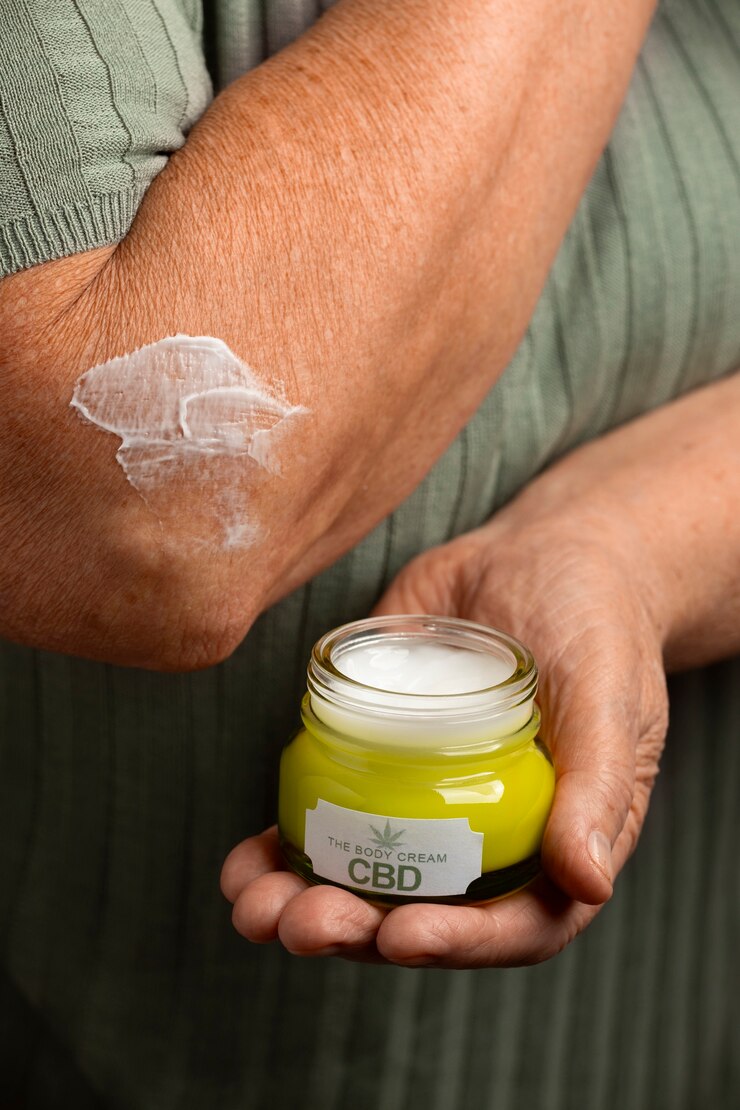

Pain Relief Cream for Arthritis: How Topical Relief Fits Into Everyday Care
Topical pain relief creams can fit into an arthritis care routine when the goal is localized support rather than a broad one-size-fits-all answer. This guide explains when topical relief makes sense and what to compare before choosing a product.
Topical options like bee venom arnica joint care cream combine natural ingredients known for their soothing properties. When choosing a pain relief cream for arthritis, it helps to understand what these products can and cannot do, and how to use them effectively alongside other management strategies.

What Topical Pain Relief Creams Do
Topical creams for arthritis work by delivering active ingredients through the skin to the area where discomfort occurs. Unlike oral pain relievers that circulate through the entire body, these products target specific joints or muscle groups. Common active ingredients include menthol, capsaicin, salicylates, and natural extracts like arnica and bee venom.
Bee venom, for example, has been studied for its potential anti-inflammatory properties. Arnica is traditionally used to support circulation and ease soreness. When combined in formulations like the best bee venom cream for arthritis, these ingredients may provide temporary relief from stiffness and discomfort in hands, knees, hips, and lower back.
It's important to set realistic expectations. Topical creams do not reverse arthritis or repair joint damage. They provide symptom management, which can make daily activities more comfortable and support mobility.
When Topical Relief Makes Sense
Topical creams work best for:
- Localized discomfort in one or two joints, rather than widespread pain
- Morning stiffness that improves with movement and gentle warming
- Post-activity soreness after light exercise, gardening, or repetitive tasks
- People who prefer fewer oral medications or want to reduce reliance on NSAIDs
- Situations where oral options cause side effects like stomach irritation
They are less effective for deep joint pain, systemic inflammatory flares, or severe arthritis that requires medical intervention. Think of topical creams as one tool in a broader care approach that may also include physical therapy, gentle movement, heat or cold therapy, and prescribed treatments.

Key Ingredients to Look For
Not all pain relief creams are the same. Here's what to consider when evaluating options:
| Ingredient | How It Works | Best For |
|---|---|---|
| Bee Venom | May support anti-inflammatory response and circulation | Joint stiffness, localized discomfort |
| Arnica | Traditionally used to ease soreness and support healing | Post-activity soreness, bruising, stiffness |
| Menthol | Creates cooling sensation that distracts from pain signals | Immediate, temporary relief |
| Capsaicin | Depletes substance P, reducing pain signal transmission | Chronic, persistent joint pain (requires consistent use) |
| Salicylates | Mild anti-inflammatory effect similar to aspirin | Mild to moderate joint discomfort |
Products that combine complementary ingredients, like bee venom and arnica, may offer broader support. The best bee venom cream for arthritis pairs these two ingredients to address both inflammation and circulation, making it a practical choice for people managing multiple symptoms.
How to Use Topical Creams Effectively
Application technique matters. Here's how to get the most from a topical pain relief cream:
- Start with clean, dry skin. Wash the area and pat it dry to help absorption.
- Apply a small amount. A thin layer is usually enough. More product doesn't mean better results.
- Massage gently. Use circular motions to work the cream into the skin and support circulation.
- Wash your hands afterward. Avoid touching your eyes, mouth, or other sensitive areas.
- Use consistently. Some ingredients, like capsaicin, require daily use for several days before full benefits appear.
- Pair with movement. Topical relief works best when combined with gentle stretching or range-of-motion exercises.
Avoid applying creams to broken skin, rashes, or areas with open wounds. If you experience burning, severe redness, or allergic reactions, discontinue use and consult a healthcare provider.
What to Expect
Topical creams typically provide relief within 15 to 30 minutes of application. The duration varies by ingredient and individual response. Menthol-based products offer quick, short-term relief. Capsaicin and bee venom formulations may take longer to show results but can provide more sustained comfort with regular use.
Most people find topical creams helpful for managing day-to-day discomfort rather than severe flares. They work well for activities like typing, cooking, gardening, or walking, where localized joint stress is common. If pain persists despite consistent use, or if it worsens, it's important to seek medical advice. Topical creams are not a substitute for diagnosis or disease-modifying treatments.
Choosing the Right Product
When selecting a pain relief cream for arthritis, consider:
- Ingredient transparency. Look for products that clearly list active ingredients and concentrations.
- Skin sensitivity. If you have sensitive skin, choose formulations without strong fragrances or unnecessary additives.
- Texture and absorption. Some creams are thick and take time to absorb; others are lighter and dry quickly. Pick what fits your routine.
- Scent. Menthol and capsaicin products often have strong odors. Bee venom and arnica formulations tend to be milder.
- Intended use. Match the product to your needs—quick relief for occasional soreness or longer-term support for chronic stiffness.
The Bee Venom Arnica Joint Care Cream is designed for people who want a natural-ingredient approach to joint care. It combines bee venom's potential anti-inflammatory benefits with arnica's traditional soothing properties, making it suitable for hands, knees, and other areas prone to arthritis discomfort.
Common Mistakes to Avoid
Even effective products can fall short if used incorrectly. Here are a few pitfalls:
- Expecting instant, permanent results. Topical creams manage symptoms, not underlying conditions.
- Using too much product. Excess cream doesn't absorb better and can irritate skin.
- Skipping consistency. Some ingredients require regular use to build effect.
- Ignoring other care strategies. Creams work best as part of a broader plan that includes movement, rest, and medical guidance.
- Using on damaged skin. This increases irritation risk and reduces effectiveness.
Frequently Asked Questions
Can I use topical pain relief cream every day?
Most topical creams, including bee venom and arnica formulations, are safe for daily use. Follow product instructions and discontinue if irritation occurs. If you're using other medications, check with your healthcare provider to avoid interactions.
How long does it take for bee venom cream to work?
Initial relief may occur within 20 to 30 minutes. For deeper anti-inflammatory effects, consistent use over several days to a week may be needed. Results vary by individual and severity of discomfort.
Can I use topical cream with oral pain relievers?
In most cases, yes. Topical creams work locally and are less likely to interact with oral medications. However, it's always best to confirm with your doctor, especially if you're managing multiple conditions or taking prescription drugs.
Is bee venom safe for people with bee allergies?
People with known bee sting allergies should avoid bee venom products or consult an allergist before use. Even topical application can trigger allergic reactions in sensitive individuals.
Should I apply the cream before or after exercise?
Both can be helpful. Applying before activity may ease stiffness and support mobility. Applying after can address soreness and support recovery. Experiment to see what works best for your routine.
Can topical creams replace my arthritis medication?
No. Topical creams are for symptom management, not disease modification. They can complement prescribed treatments but should not replace them without medical guidance.
Final Thoughts
Pain relief cream for arthritis offers a practical, localized way to manage discomfort and support daily movement. Products like the Bee Venom Arnica Joint Care Cream combine natural ingredients with targeted application, making them a useful part of everyday joint care. They won't cure arthritis, but they can make mornings easier, activities more comfortable, and flare-ups more manageable.
Choose a product that matches your needs, use it consistently, and pair it with other healthy habits. If discomfort persists or worsens, consult a healthcare provider to ensure you're getting the right level of care.