
Bee Venom Gel for Joints: A Practical Guide for Knee Stiffness
Bee venom gel has become a popular topical option for people dealing with knee stiffness, joint discomfort, and occasional swelling. While it's not a cure-all, many users find it helpful as part of their joint care routine, especially when movement feels limited or discomfort interferes with daily activities. This guide explains what bee venom gel is, how it works, who it's best suited for, and what to consider before adding it to your regimen.

What Is Bee Venom Gel and How Does It Work?
Bee venom gel is a topical product formulated with bee venom extract—a naturally occurring substance collected from honeybees. The active component, melittin, has been studied for its potential anti-inflammatory properties. When applied to the skin, the gel is designed to create a mild warming or tingling sensation that may help increase local circulation and provide temporary relief from stiffness.
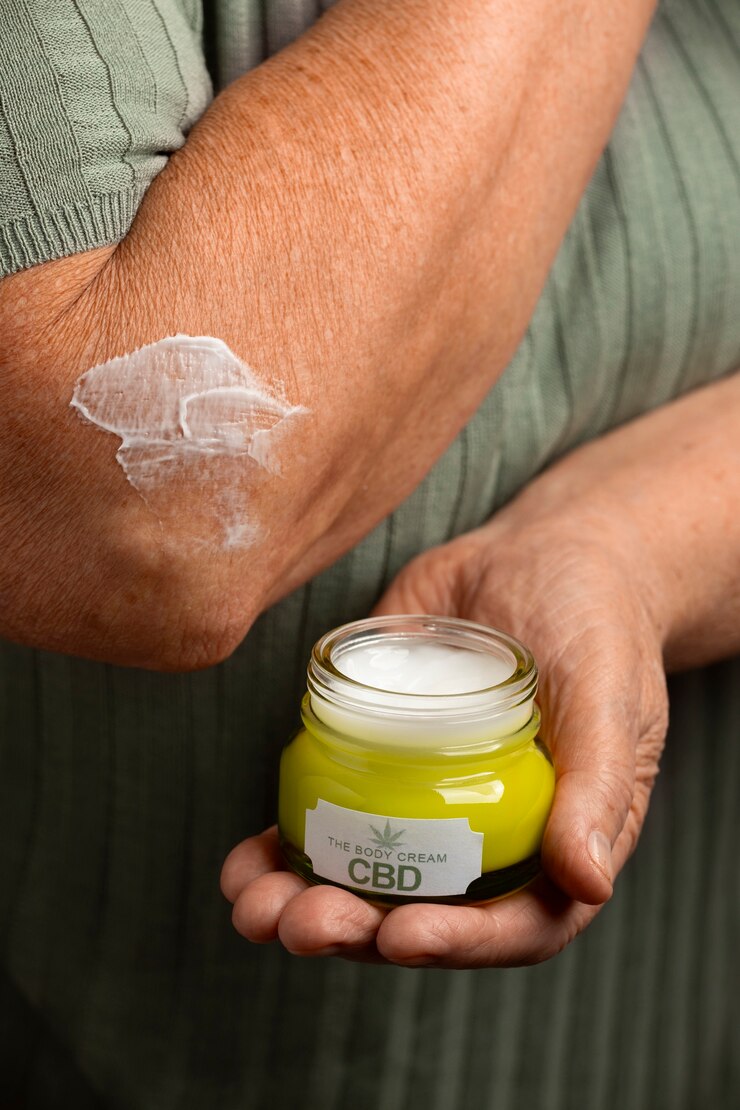
Unlike oral supplements or prescription medications, bee venom gel works externally. It's absorbed through the skin and targets the area where it's applied, making it a convenient option for localized joint discomfort, particularly around the knees, elbows, and hands.
Who Should Consider Using Bee Venom Gel?
Bee venom gel is best suited for adults experiencing:
- Occasional knee stiffness after physical activity or long periods of sitting
- Mild joint discomfort related to aging or repetitive movement
- Temporary swelling around the knee or other joints
- Limited range of motion that affects daily tasks like climbing stairs or bending
It's not a replacement for medical treatment. If you have diagnosed arthritis, chronic pain, or an injury that hasn't improved with rest, consult a healthcare provider before using any topical product.
Key Ingredients to Look For
Not all bee venom gels are formulated the same way. When comparing products, check for these supportive ingredients:

| Ingredient | Purpose | What to Expect |
|---|---|---|
| Bee Venom Extract (Melittin) | Anti-inflammatory support | Mild warming, tingling sensation |
| Menthol | Cooling relief | Temporary soothing effect |
| Glucosamine | Joint structure support | Long-term comfort with consistent use |
| Arnica Extract | Traditional topical for bruising | May help with minor swelling |
| Aloe Vera | Skin hydration | Reduces dryness or irritation |
Products that combine bee venom with complementary botanicals or joint-support compounds tend to offer a more well-rounded experience.
How to Use Bee Venom Gel Safely
Proper application matters. Here's a step-by-step approach:
- Clean and dry the area: Wash the knee or joint and pat it dry before applying.
- Apply a small amount: Start with a dime-sized portion. You can always add more if needed.
- Massage gently: Use circular motions to work the gel into the skin for 1–2 minutes.
- Wash your hands: Avoid touching your eyes or face after application.
- Use consistently: Most users apply the gel 2–3 times daily for best results.

If you're new to bee venom products, do a patch test on a small area of skin first. Wait 24 hours to check for redness, itching, or swelling. People with bee sting allergies should avoid bee venom gel entirely.
What to Expect: Realistic Outcomes
Results vary by individual. Some users report noticeable relief within 10–15 minutes, especially the warming or cooling sensation. Others find that consistent use over several weeks leads to improved flexibility and less morning stiffness.
Bee venom gel is not a permanent solution. It provides temporary comfort and works best when combined with other joint-friendly habits like staying active, maintaining a healthy weight, and using supportive footwear.
When Bee Venom Gel Isn't the Right Choice
This product isn't suitable for everyone. Avoid it if you:
- Have a known allergy to bee stings or bee products
- Are pregnant or breastfeeding (consult your doctor first)
- Have open wounds, rashes, or broken skin on the application area
- Experience severe, persistent joint pain that limits your mobility
If discomfort worsens or doesn't improve after two weeks of regular use, see a healthcare provider.
Comparing Bee Venom Gel to Other Joint Relief Options
| Option | Best For | Pros | Cons |
|---|---|---|---|
| Bee Venom Gel | Localized knee stiffness | Fast-acting, topical, no pills | Not for bee-allergic individuals |
| Menthol Rubs | Muscle soreness | Widely available, cooling effect | Short-term relief only |
| Glucosamine Supplements | Long-term joint support | Supports cartilage health | Takes weeks to show results |
| Heat/Cold Therapy | Acute flare-ups | Drug-free, simple | Requires repeated application |
Bee venom gel sits between immediate relief and long-term support. It's not as fast as ice, but more targeted than oral supplements.
Buying Considerations
When shopping for a bee venom gel for joints, look for:
- Clear ingredient list: Avoid products that don't disclose the concentration of bee venom extract.
- Non-greasy formula: A gel that absorbs quickly won't stain clothing or feel sticky.
- Third-party testing: While not required, it's a sign of quality control.
- User reviews: Check for feedback on scent, texture, and effectiveness.
Price varies, but expect to pay more for products that combine bee venom with additional joint-support ingredients like glucosamine or arnica.
Frequently Asked Questions
Can I use bee venom gel if I've never been stung by a bee?
Yes, but do a patch test first. A lack of previous stings doesn't guarantee you're not allergic. If you develop hives, swelling, or difficulty breathing, stop use immediately and seek medical attention.
How long does it take to feel results?
Some users feel a warming or cooling sensation within minutes. For stiffness and mobility improvements, expect 1–3 weeks of consistent use.
Can I use bee venom gel with other joint creams?
It's generally safe, but avoid layering multiple topical products at once. Use one in the morning and another in the evening if needed.
Is bee venom gel safe for long-term use?
Most formulations are designed for ongoing use, but if you're applying it daily for more than three months, check in with a healthcare provider to rule out underlying issues.
Does bee venom gel work for hands and elbows too?
Yes. While it's commonly marketed for knees, the gel can be applied to any joint area—fingers, wrists, shoulders, or ankles.
What's the difference between bee venom gel and capsaicin cream?
Capsaicin works by depleting substance P, a pain transmitter. Bee venom focuses on anti-inflammatory action. Capsaicin may cause more intense burning, while bee venom typically feels milder.
Final Thoughts
Bee venom gel is a practical, non-invasive option for managing occasional knee stiffness and joint discomfort. It's not a miracle product, but when used correctly and consistently, it can support greater comfort and flexibility in daily movement. If you're looking for a topical solution that goes beyond menthol, and you're not allergic to bees, it's worth considering as part of a broader joint care routine.
For best results, pair it with gentle stretching, regular movement, and attention to posture. And if discomfort persists or worsens, don't rely on topical products alone—consult a healthcare professional to address the root cause.