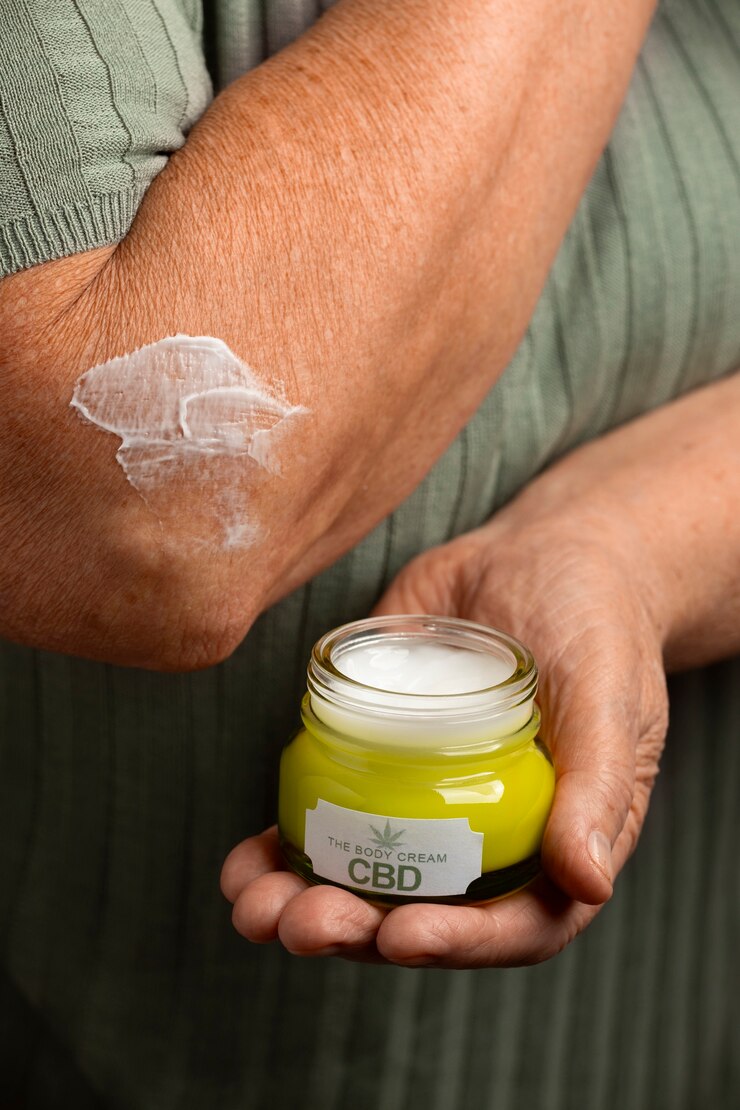

Bee Venom Pain Relief Cream: When to Use It for Muscle and Joint Pain
Bee venom pain relief creams have gained attention as a topical option for managing muscle and joint discomfort. These creams typically combine bee venom peptides with supporting ingredients like chondroitin, arnica, or glucosamine to address soreness, stiffness, and minor inflammation. If you're dealing with persistent knee pain, post-workout aches, or desk-related shoulder tension, understanding when and how to use these products can help you make a more informed choice.
This guide covers what bee venom creams are designed to do, who they're suited for, and how to evaluate your options based on formulation, application area, and intended use.
What Is Bee Venom and How Does It Work in Pain Relief Creams?
Bee venom is a natural substance produced by honeybees, containing peptides like melittin and apamin. When applied topically in controlled concentrations, these peptides are thought to stimulate localized blood flow and trigger mild anti-inflammatory responses in the skin and underlying tissue. The goal is temporary relief from stiffness and discomfort, not a cure for underlying joint conditions.

Most formulations pair bee venom with ingredients like:
- Chondroitin: supports cartilage hydration and joint cushioning
- Arnica: traditionally used for bruising and muscle soreness
- Glucosamine: a building block for joint cartilage
- Menthol or camphor: provides a cooling or warming sensation for immediate comfort
It's important to note that bee venom creams are not FDA-approved treatments for arthritis or chronic pain conditions. They are intended as topical aids for temporary discomfort, similar to other over-the-counter muscle rubs.
When to Consider Using Bee Venom Pain Relief Cream
Bee venom creams are most useful when you need localized, short-term relief. Here are the scenarios where they tend to fit best:
| Use Case | Why It May Help | Best Product Type |
|---|---|---|
| Post-workout soreness | Supports muscle recovery and reduces stiffness after exercise | Fast-absorbing cream or gel |
| Office-related neck or shoulder pain | Eases tension from prolonged sitting or repetitive motion | Targeted joint cream |
| Knee or hip discomfort from daily activity | Provides cushioning support and temporary relief | Ointment with chondroitin or glucosamine |
| Wrist or hand strain | Addresses localized stiffness from typing or gripping | Wrist-specific joint care cream |
| General joint stiffness | Offers broad-spectrum relief for multiple joints | Multi-area therapeutic gel or spray |
If you're dealing with chronic conditions like rheumatoid arthritis or severe osteoarthritis, these creams should complement—not replace—medical treatment. Always consult a healthcare provider for persistent or worsening pain.
Top Pick: Best Overall Bee Venom Pain Relief Cream
For most users seeking reliable, everyday relief, the Bee Venom Joint Care Ointment for 24H Pain Relief stands out. It combines bee venom peptides with chondroitin and matrine, balancing fast-acting comfort with longer-term joint support. The ointment texture absorbs well without feeling greasy, and it's designed for multiple application sites—knees, shoulders, wrists, or lower back.

This product works well for people who need consistent relief throughout the day but don't want to reapply constantly. It's particularly suited for those who experience stiffness in the morning or after periods of inactivity.
Comparing Bee Venom Pain Relief Creams by Formulation and Use
Not all bee venom creams are identical. Formulation, texture, and supporting ingredients affect how they perform in real-world use. Here's a breakdown of the main options:
| Product | Key Ingredients | Best For | Texture |
|---|---|---|---|
| Bee Venom Joint Care Ointment | Bee venom, chondroitin, matrine | All-day relief, multiple joints | Ointment (moderate absorption) |
| Bee Venom Specialized Therapeutic Gel | Bee venom, cooling agents | Acute discomfort, targeted areas | Gel (fast-absorbing) |
| Bee Venom Arnica Joint Care Cream | Bee venom, arnica, botanical extracts | Bruising, post-injury soreness | Cream (rich, slower absorption) |
| Bee Venom Joint Care Cream with Glucosamine and Arnica | Bee venom, glucosamine, arnica | Cartilage support, joint cushioning | Cream (moderate absorption) |
| Bee Venom Fast-Absorbing Joint Care Cream | Bee venom, lightweight emollients | Quick application, no residue | Cream (very fast-absorbing) |
If you prioritize quick absorption and no greasy feel, the fast-absorbing cream or gel formats work best. If you prefer longer-lasting relief and don't mind a richer texture, ointments or arnica-based creams offer more staying power.
How to Choose the Right Bee Venom Pain Relief Cream
Here are the key factors to weigh when selecting a product:
1. Application Area
Some creams are formulated for specific joints. For example, the Bee Venom Wrist Joint Care Cream is designed for hands and wrists, while the Bee Venom Hip Joint Care Cream targets hip mobility. If you have a single problem area, a targeted product may offer better fit and ease of use.
2. Activity Level
Active individuals who experience soreness after workouts often benefit from fast-absorbing gels or post-workout formulations like the Bee Venom Joint Care Cream for Post-Workout Pain. These products tend to include cooling or warming agents for immediate comfort.
3. Supporting Ingredients
If you're dealing with joint stiffness and want cartilage support, look for products with chondroitin or glucosamine. If bruising or soft tissue soreness is the main issue, arnica-based creams are a better match.
4. Texture Preference
Gels and fast-absorbing creams work well for daytime use under clothing. Ointments and richer creams are better suited for evening application or when you can let the product sit without needing to get dressed immediately.
5. Frequency of Use
For ongoing, daily discomfort, choose a product that offers extended relief and doesn't require reapplication every few hours. The 24-hour formulations are designed for this use case. For occasional soreness, a quick-acting gel or spray may be sufficient.
How to Use Bee Venom Pain Relief Cream Safely
To get the most out of these products while minimizing risk, follow these guidelines:
- Patch test first: Apply a small amount to your inner forearm and wait 24 hours. If you experience redness, itching, or swelling, discontinue use.
- Clean and dry the area: Wash the application site with soap and water before applying the cream. This improves absorption and reduces the risk of irritation.
- Use a thin layer: More product doesn't mean better results. A pea-sized amount is usually enough for a joint area like a knee or elbow.
- Massage gently: Rub the cream in with circular motions until fully absorbed. This helps distribute the active ingredients evenly.
- Wash your hands afterward: Avoid touching your eyes, mouth, or sensitive skin after application.
- Don't apply to broken skin: Bee venom creams should only be used on intact skin. Avoid open wounds, cuts, or rashes.
- Follow the product's usage instructions: Some creams are designed for twice-daily use, while others are intended for as-needed application.
Who Should Avoid Bee Venom Pain Relief Creams?
Bee venom products are not suitable for everyone. Skip these creams if you:
- Have a known allergy to bee stings or bee products (honey, propolis, royal jelly)
- Are pregnant or breastfeeding (consult a healthcare provider first)
- Have sensitive skin or a history of contact dermatitis
- Are taking blood thinners or have a bleeding disorder (bee venom may affect clotting)
- Have an autoimmune condition (consult your doctor before use)
If you're unsure, talk to a healthcare provider before trying a bee venom cream.
What to Expect: Results and Limitations
Most users report a mild warming or tingling sensation within 10–15 minutes of application. This is normal and indicates the active ingredients are working. Discomfort relief typically begins within 30 minutes to an hour, though results vary based on the severity of the pain and the product used.
Bee venom creams are best for:
- Temporary relief of minor aches and stiffness
- Supporting recovery after physical activity
- Easing discomfort from repetitive strain or poor posture
They are not a substitute for:
- Medical treatment for arthritis, tendonitis, or other diagnosed conditions
- Physical therapy or corrective exercises
- Prescription pain medications or anti-inflammatories
If you don't see improvement after two weeks of consistent use, or if pain worsens, consult a healthcare provider.
When to Use a Spray Instead of a Cream
Bee venom sprays, like the Bee Venom Joint Spray for Deformities, offer an alternative format for those who find creams inconvenient. Sprays work well when:
- You need to apply the product to hard-to-reach areas like the mid-back
- You prefer a no-touch application
- You want faster coverage over a larger area
Sprays tend to dry quickly and leave less residue, but they may not provide the same level of targeted massage or absorption as a cream or ointment.
Real-World Use: What Users Should Know
Bee venom creams work best as part of a broader pain management routine. They're most effective when combined with:
- Regular stretching or mobility exercises
- Proper posture and ergonomic adjustments (especially for office workers)
- Adequate rest and recovery after physical activity
- Hydration and joint-supporting nutrition
For office workers dealing with neck or shoulder tension, the Bee Venom Joint Relief Cream for Office Workers is specifically designed for repetitive strain and prolonged sitting. Pairing this with regular breaks and posture checks can improve long-term outcomes.
Where to Buy and What to Look For
When shopping for bee venom pain relief cream, check for:
- Clear ingredient lists with identifiable active components
- Products that specify bee venom concentration or peptide content
- Brands that provide usage instructions and safety warnings
- Customer reviews that mention specific use cases (post-workout, office pain, joint stiffness)
Avoid products that make unverified health claims, promise permanent cures, or lack ingredient transparency.
Frequently Asked Questions
Does bee venom cream really work for joint pain?
Bee venom creams may provide temporary relief for minor joint discomfort by stimulating localized blood flow and triggering mild anti-inflammatory responses. They are not proven treatments for chronic arthritis or structural joint issues, but many users find them helpful for managing everyday soreness and stiffness.
How often should I apply bee venom pain relief cream?
Most products recommend applying 2–3 times per day, or as needed for discomfort. Always follow the specific instructions on your product label. Overuse won't speed up relief and may increase the risk of skin irritation.
Can I use bee venom cream if I'm allergic to bees?
No. If you have a known allergy to bee stings or bee-derived products, avoid bee venom creams entirely. Even topical exposure can trigger allergic reactions in sensitive individuals.
What's the difference between bee venom cream and regular muscle rubs?
Bee venom creams contain peptides from bee venom, which are thought to have mild anti-inflammatory and circulation-boosting effects. Traditional muscle rubs typically rely on menthol, camphor, or capsaicin for a cooling or warming sensation. Bee venom products often combine both approaches.
How long does it take to feel relief after applying bee venom cream?
Most users notice a mild warming or tingling sensation within 10–15 minutes, with pain relief beginning around 30 minutes to an hour after application. Results depend on the severity of discomfort and individual response.
Can I use bee venom cream on my back or spine?
Yes, many bee venom creams are safe for use on the neck, shoulders, and lower back. For spine-related discomfort, consider products designed for spine, cervical spine, and lumbar spine care. If you have a diagnosed spinal condition, consult a healthcare provider before use.