
Bee Venom Joint Cream: How Topical Joint Relief Creams Compare
Topical joint relief creams have become a go-to option for people managing occasional joint discomfort from overuse, age-related stiffness, or active lifestyles. Among the newer formulations gaining attention, bee venom joint creams stand out for their unique active ingredient profile. But how do they stack up against other popular topical options, and when should you consider one over the other?
This guide explains what bee venom joint creams are, how they work, and how they compare to alternative formulations—so you can make an informed decision based on your needs.
What Is Bee Venom Joint Cream?
Bee venom joint cream is a topical product that combines bee venom extract with complementary active ingredients like glucosamine, arnica, and menthol. Bee venom contains melittin, a peptide believed to support localized circulation and temporary relief when applied to the skin. These creams are typically used on knees, wrists, elbows, shoulders, and other joints prone to occasional discomfort.

Unlike oral supplements, these creams are applied directly to the area of discomfort, allowing for targeted use without systemic absorption. Most formulations are fragrance-free or lightly scented and absorb quickly without leaving a greasy residue.
How Bee Venom Joint Cream Compares to Other Topical Options
When choosing a topical joint relief product, it helps to understand how different active ingredients work and what they're best suited for. Here's a side-by-side look at common formulations:
| Type | Key Ingredients | Primary Effect | Best For |
|---|---|---|---|
| Bee Venom Cream | Bee venom, glucosamine, arnica | Localized circulation support | Occasional joint discomfort, active users |
| Menthol-Based Cream | Menthol, camphor | Cooling sensation | Immediate soothing, post-exercise |
| Capsaicin Cream | Capsaicin | Warming, desensitization over time | Chronic discomfort, repeated use |
| Arnica Gel | Arnica montana extract | Traditional herbal application | Bruising, mild soreness |
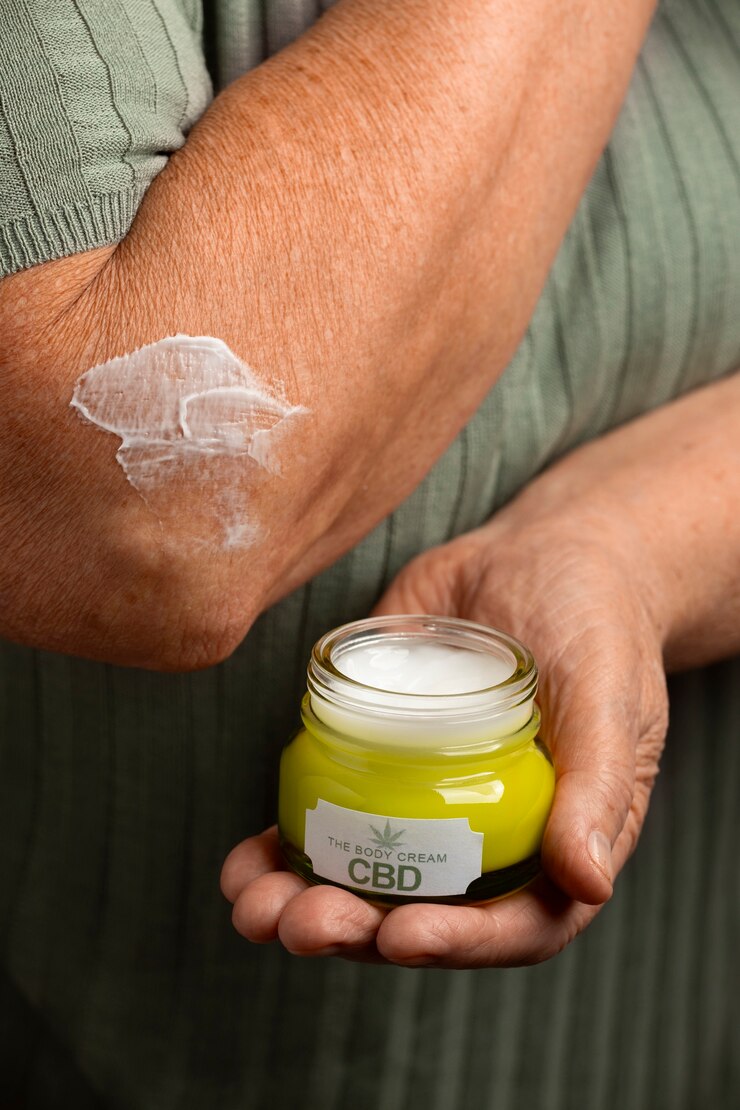
| CBD Cream | Cannabidiol | Interaction with skin receptors | General skin comfort, relaxation |
Bee venom creams occupy a middle ground: they offer more than simple cooling or warming, but they're not as intense as capsaicin-based products. They're a good fit for people who want a multi-ingredient formula that addresses joint comfort from several angles.
When to Choose Bee Venom Joint Cream
Consider a bee venom joint repair cream if you:
- Experience occasional joint discomfort in specific areas like knees, wrists, or elbows
- Prefer a topical product that doesn't rely solely on cooling or warming sensations
- Want a formula that combines bee venom with glucosamine and arnica for broader support
- Are looking for a fast-absorbing, non-greasy option suitable for daytime or pre-activity use
- Have tried menthol or arnica alone and want to explore a different active ingredient profile

Bee venom creams are not a fit for everyone. Avoid them if you have a known allergy to bee stings or bee products. Always do a patch test on a small area of skin before full application.
When to Choose an Alternative
If your primary goal is immediate cooling relief after a workout, a menthol-based cream may be more appropriate. If you're managing chronic discomfort and want a product designed for long-term desensitization, capsaicin is worth considering—though it requires consistent use and can cause warmth or tingling during the first few applications.
For mild bruising or soreness without joint involvement, a simple arnica gel may be sufficient. If you're interested in cannabinoid-based skincare, CBD creams offer a different mechanism and are generally well-tolerated, though they don't contain the peptide activity found in bee venom.
How to Use Bee Venom Joint Cream Effectively
To get the most out of a bee venom joint repair cream, follow these practical steps:
- Clean and dry the area. Remove any sweat, lotion, or residue before application.
- Apply a small amount. A pea-sized amount is usually enough for one joint. More product doesn't mean faster results.
- Massage gently. Use circular motions to help the cream absorb fully. Avoid vigorous rubbing on sensitive skin.
- Wash your hands. Prevent accidental contact with eyes or mucous membranes.
- Use consistently. Most users apply once or twice daily. Results are typically felt within 10–20 minutes and may improve with regular use over several days.
Do not apply to broken skin, open wounds, or areas with active rashes. If irritation occurs, discontinue use.
What to Look for When Buying
Not all bee venom joint creams are formulated the same way. Here's what to check before purchasing:
- Ingredient transparency. The label should clearly list bee venom content and supporting ingredients like glucosamine, arnica, or menthol.
- Texture and absorption. Look for creams that absorb quickly without leaving a sticky or greasy film.
- Fragrance. Some formulations are unscented, while others have a mild herbal or medicinal scent. Choose based on your preference and sensitivity.
- Packaging. Tubes or pump bottles help maintain product integrity and make application more hygienic.
- Usage instructions. The product should include clear guidance on how often to apply and any precautions.
Avoid products that make exaggerated claims like "permanent relief" or "cure." Topical creams provide temporary, localized comfort—they are not medical treatments for underlying joint conditions.
Common Mistakes to Avoid
Even with a high-quality product, improper use can limit results or cause unnecessary discomfort. Here are the most common missteps:
- Skipping the patch test. Even if you've used other bee products before, always test a small area first.
- Applying too much. Overuse doesn't speed up relief and may increase the chance of skin irritation.
- Using on broken skin. Open cuts or abrasions are not suitable for topical joint creams.
- Expecting instant, permanent results. These products offer temporary relief, not structural joint repair.
- Mixing with other topicals. Layering multiple active creams can cause irritation or reduce effectiveness.
Frequently Asked Questions
Is bee venom joint cream safe for daily use?
Yes, most bee venom joint creams are designed for daily use. However, always follow the product's usage instructions and discontinue if you experience irritation or an allergic reaction.
Can I use bee venom cream if I'm allergic to bee stings?
No. If you have a known allergy to bee stings or bee venom, avoid these products entirely. Consult a healthcare provider if you're unsure.
How long does it take to feel relief?
Most users report a noticeable effect within 10–20 minutes of application. Results may improve with consistent use over several days.
Can I use bee venom cream on my back or neck?
Yes, as long as the skin is intact and you can apply the cream comfortably. These creams are commonly used on knees, wrists, elbows, shoulders, and neck.
Do I need to refrigerate the cream?
No. Store at room temperature in a cool, dry place. Avoid direct sunlight and extreme heat.
Can I use this cream before exercise?
Yes. Many users apply bee venom joint cream before physical activity to support joint comfort during movement. Allow a few minutes for absorption before starting your workout.
Is bee venom cream better than taking a supplement?
They serve different purposes. Topical creams provide localized, fast-acting relief, while oral supplements work systemically over time. Some people use both as part of a broader joint care routine.
Final Thoughts
Bee venom joint cream offers a distinct approach to topical joint comfort, combining the active properties of bee venom with supportive ingredients like glucosamine and arnica. It's a practical choice for people managing occasional joint discomfort who want a fast-absorbing, multi-ingredient formula that goes beyond simple cooling or warming.
When choosing between topical options, consider your primary need: immediate soothing, long-term desensitization, or targeted circulation support. Bee venom creams fit best in the latter category, making them a useful addition to an active lifestyle or daily joint care routine.
If you're ready to try a bee venom joint repair cream, start with a patch test, follow the application instructions, and give it a few days of consistent use to assess results. As with any topical product, individual responses vary—but for many users, it's a reliable, non-invasive option worth exploring.