
Bee Venom Cream for Arthritis: What to Know Before You Buy
Bee venom cream has become a popular topical option for people looking for arthritis relief without oral medication. These creams combine bee venom—a natural compound produced by honeybees—with soothing botanicals like arnica to target joint discomfort, stiffness, and inflammation. But does it actually work, and is it right for you?
In this guide, we'll break down what bee venom cream does, who it's best suited for, what to look for when choosing one, and what real users should expect.

Quick Take: What Makes Bee Venom Cream Different
- Bee venom contains melittin, a peptide that may reduce inflammation and trigger the body's natural pain-relief response
- Often paired with arnica, menthol, or other anti-inflammatory botanicals for added comfort
- Applied directly to sore joints—knees, hands, wrists, shoulders, lower back
- Best for mild to moderate joint discomfort, not a replacement for prescribed arthritis treatment
- Not suitable for people with bee sting allergies
How Bee Venom Cream Works for Arthritis
Bee venom's active compound, melittin, has been studied for its potential anti-inflammatory and analgesic properties. When applied topically, it may help reduce localized swelling and stimulate circulation, which can ease the aching sensation common in osteoarthritis and rheumatoid arthritis.
Most bee venom cream for arthritis formulas also include arnica extract, known for its ability to calm bruising and muscle soreness, and menthol or camphor for a cooling or warming sensation that distracts from deeper discomfort.
It's important to understand that bee venom cream is a complementary option—not a cure. It may help manage day-to-day stiffness and discomfort, especially after activity or in the morning, but it won't reverse joint damage or replace medications prescribed by your doctor.
Who Should Consider Bee Venom Cream
This type of cream works best for people who:
- Experience mild to moderate joint pain from osteoarthritis or general wear-and-tear
- Want a topical alternative to oral NSAIDs or as part of a broader pain management routine
- Prefer natural or botanical-based ingredients in their self-care products
- Have localized pain in accessible areas like knees, fingers, wrists, elbows, or lower back
Who should avoid it:
- Anyone with a known allergy to bee stings or bee products
- People with broken or irritated skin in the application area
- Individuals with severe, uncontrolled arthritis who need prescription-strength intervention

Key Features to Look for in a Bee Venom Arthritis Cream
| Feature | Why It Matters |
|---|---|
| Bee venom concentration | Higher concentrations may offer stronger effects, but can also increase sensitivity risk |
| Arnica or menthol | Adds soothing or cooling relief; helps with surface-level discomfort |
| Non-greasy texture | Absorbs quickly, won't stain clothes or feel heavy on skin |
| No synthetic fragrance | Reduces irritation risk, especially for sensitive skin |
| Clear ingredient list | Helps you spot allergens or unnecessary fillers |
How to Use Bee Venom Cream Safely
Even natural ingredients can cause reactions, so it's smart to start cautiously:
- Patch test first. Apply a small amount to your inner forearm and wait 24 hours. If you see redness, swelling, or itching, don't use it.
- Wash and dry the area. Clean skin absorbs the cream better.
- Use a thin layer. A little goes a long way—rubbing in too much won't speed up relief.
- Massage gently. Work the cream into the joint with circular motions to help absorption and stimulate blood flow.
- Wash your hands afterward. Avoid touching your eyes or face before washing off residue.
- Apply 2–3 times daily. Consistency matters more than quantity.
If you experience a burning sensation, rash, or increased swelling, stop using the product and consult a healthcare provider.
What to Expect: Realistic Results
Bee venom cream isn't a miracle fix. Most users report:
- Mild to moderate reduction in stiffness, especially in the morning or after sitting
- Temporary relief lasting 2–4 hours per application
- Best results when used consistently over several weeks
- Works better for surface-level joint discomfort than deep, structural pain
If you don't notice any improvement after 2–3 weeks of regular use, it may not be the right fit for your type of arthritis or pain level.
Bee Venom Cream vs. Other Topical Options
| Product Type | Best For | Key Difference |
|---|---|---|
| Bee venom + arnica cream | Mild arthritis, natural ingredient preference | Anti-inflammatory peptide + botanical soothing |
| Capsaicin cream | Chronic pain, nerve-related discomfort | Creates warming sensation, can cause initial burning |
| Menthol/camphor gel | Muscle soreness, quick cooling relief | Surface-level comfort, no anti-inflammatory action |
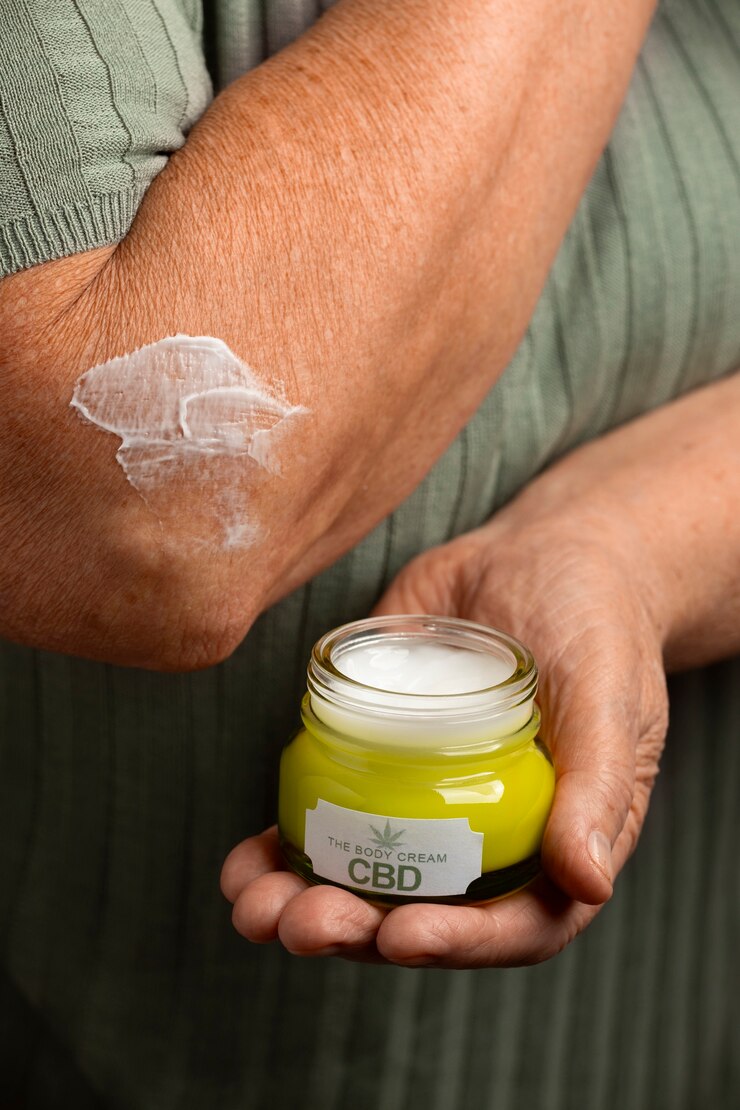
| CBD topical | Inflammation + anxiety-related tension | Cannabinoid-based, may help with stress-related pain |
Common Mistakes to Avoid
- Skipping the patch test. Even if you've never had a bee sting reaction, topical venom can still irritate skin.
- Using it on broken skin. Open cuts or eczema patches can absorb too much of the active ingredient.
- Expecting instant results. Topical creams work gradually—give it at least a week of consistent use.
- Applying too much. More product doesn't mean faster relief; it just wastes cream and can increase irritation risk.
- Stopping prescribed treatment. Bee venom cream is complementary, not a replacement for medications your doctor recommended.
Frequently Asked Questions
Is bee venom cream safe if I've never been stung by a bee?
Most people tolerate it well, but you should still patch test before full application. Topical bee venom is diluted and processed differently than a live sting, but allergic reactions are still possible.
Can I use bee venom cream with other arthritis treatments?
Generally yes, but check with your doctor if you're using prescription topicals, taking blood thinners, or managing other health conditions. Combining treatments without guidance can sometimes cause skin irritation or interfere with absorption.
How long does one application last?
Most users feel relief for 2–4 hours. For all-day comfort, plan to reapply 2–3 times, especially after washing the area or heavy activity.
Does it work for rheumatoid arthritis or just osteoarthritis?
Bee venom cream may help with localized pain and stiffness in both types, but rheumatoid arthritis is an autoimmune condition that usually requires systemic treatment. This cream is best used as a supplementary comfort measure, not primary therapy.
Will it stain my clothes or smell strong?
Most formulas absorb quickly and have a mild herbal or neutral scent. If you're sensitive to smells, look for unscented or lightly scented versions. Let the cream fully absorb before dressing.
Can I use it on my lower back or neck?
Yes, as long as the skin is intact and you can reach the area comfortably. For hard-to-reach spots, ask someone to help you apply it evenly.
Final Thoughts
Bee venom cream offers a natural, topical option for managing arthritis discomfort, especially for people who prefer botanical ingredients or want to reduce reliance on oral pain relievers. It's not a cure, but for mild to moderate joint pain, it can be a helpful part of your daily routine.
Before you buy, make sure the formula includes quality supporting ingredients like arnica, has a non-greasy texture, and comes from a transparent brand. Always patch test, start slow, and listen to your body. If your arthritis pain is severe or worsening, talk to your healthcare provider about a comprehensive treatment plan.
Ready to try it? Explore options like the Bee Venom Arnica Joint Care Cream for Pain Relief to see if this approach works for your joint care needs.