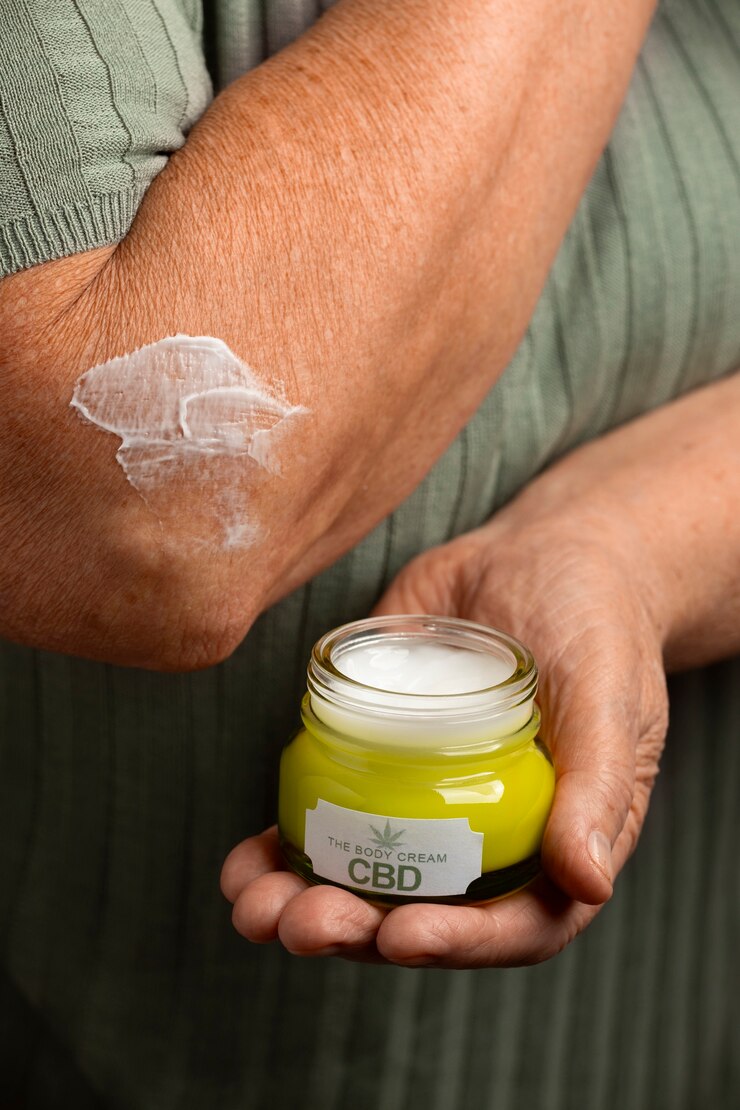

Pain Relief for Arthritis in Hands: Choosing a Cream for Everyday Use
Hand arthritis affects millions of people, making everyday tasks like opening jars, typing, or holding a coffee cup unexpectedly difficult. When stiffness and pain settle into your fingers, knuckles, and wrists, finding reliable relief becomes a priority. Topical creams offer a practical, accessible option for managing discomfort without the systemic side effects of oral medication. The right cream can ease pain, reduce inflammation, and help you maintain hand function throughout the day.
This guide explains what to look for in a hand arthritis cream, how different active ingredients work, and how to choose a product that fits your routine and comfort needs.
Quick Decision Guide: Key Features to Compare
| Feature | Why It Matters | What to Look For |
|---|---|---|
| Active Ingredient | Determines pain relief mechanism | Menthol, capsaicin, bee venom peptides, or NSAIDs |
| Absorption Speed | Affects when relief begins | Fast-absorbing for daytime, richer for nighttime |
| Scent | Impacts daily usability | Neutral or mild if used in public settings |
| Texture | Ease of application on stiff joints | Non-greasy, smooth, easy to rub in |
| Frequency of Use | Convenience and compliance | 2-3 times daily for most topical creams |
Understanding Hand Arthritis and Topical Pain Relief
Arthritis in the hands typically involves osteoarthritis or rheumatoid arthritis. Osteoarthritis results from cartilage breakdown over time, often affecting the base of the thumb, fingertips, and middle finger joints. Rheumatoid arthritis is an autoimmune condition that causes inflammation in the joint lining, often affecting multiple joints symmetrically.
Topical creams work by delivering active ingredients through the skin to the tissues beneath. Unlike oral medications that circulate through the bloodstream, topical treatments concentrate relief at the application site, reducing the risk of stomach upset or systemic side effects. They are particularly useful for localized pain in the hands and wrists.

Best Active Ingredients for Hand Arthritis Creams
Menthol and Camphor
Menthol creates a cooling sensation that distracts from pain signals. Camphor produces a warming effect. Both are counterirritants, meaning they stimulate nerve endings to reduce the perception of deeper pain. These ingredients work quickly, making them suitable for sudden flare-ups. However, relief is temporary and typically lasts a few hours.
Capsaicin
Derived from chili peppers, capsaicin depletes substance P, a neurotransmitter involved in sending pain signals. It requires consistent use over several days to build effectiveness. Initial application may cause a burning sensation that diminishes with repeated use. Capsaicin is best for chronic, persistent pain rather than acute episodes.
Bee Venom Peptides
Bee venom contains melittin and other bioactive compounds that may reduce inflammation and stimulate localized circulation. Some users report improved joint mobility and reduced morning stiffness with regular application. Bee venom formulations like wrist pain ointment are designed for daily use on hands and wrists, offering a natural alternative to synthetic actives.
Topical NSAIDs
Non-steroidal anti-inflammatory drugs like diclofenac or ibuprofen penetrate the skin to reduce inflammation at the joint. They are effective for inflammatory arthritis but may not be suitable for long-term use without medical guidance. Check with a healthcare provider if you are already taking oral NSAIDs.
How to Choose the Right Cream for Your Hands
Consider Your Pain Pattern
If pain is worst in the morning, a cream with sustained anti-inflammatory action may help. If discomfort spikes after repetitive tasks, a fast-acting counterirritant offers quicker relief. Match the product's onset and duration to your daily rhythm.
Assess Skin Sensitivity
Some ingredients, especially capsaicin and menthol, can irritate sensitive skin or cause a strong tingling sensation. Start with a small test area if you have reactive skin. Look for formulations with soothing agents like aloe or chamomile if you are prone to irritation.
Evaluate Texture and Absorption
Hands are in constant use, so a cream that absorbs quickly without leaving a greasy residue is more practical. Thick, occlusive creams may be better suited for nighttime application. If you need to type, write, or handle objects shortly after application, choose a lightweight, fast-absorbing formula.
Check for Fragrance and Scent Intensity
Strong menthol or medicinal scents can be off-putting in social or work settings. If you apply cream during the day, opt for a product with a neutral or mild scent. Unscented or lightly scented formulations are also less likely to clash with personal care products.
Review Frequency Requirements
Most topical creams require application two to three times daily for optimal results. If you have a busy schedule, a product that offers longer-lasting relief with fewer applications may be more convenient. Consistency is key, so choose a routine you can maintain.
Application Tips for Maximum Effectiveness
- Wash and dry your hands first. Clean, dry skin absorbs topical treatments more effectively.
- Use a small amount. A pea-sized amount per joint is usually sufficient. Over-application does not increase effectiveness and may waste product.
- Massage gently. Rub the cream in with circular motions to encourage absorption and stimulate circulation.
- Wash hands before eating or touching your face. Residual active ingredients, especially capsaicin, can irritate mucous membranes.
- Apply at consistent times. Regular application maintains steady relief and helps you gauge effectiveness.
When Topical Creams Are Most Useful
Topical creams work best as part of a comprehensive arthritis management plan. They are particularly helpful for:
- Mild to moderate hand pain that does not require prescription medication
- Localized discomfort in specific joints, such as the thumb base or wrist
- Supplementing oral treatments to reduce pill burden
- Managing flare-ups triggered by weather changes, overuse, or stress
- Providing relief without drowsiness or systemic side effects
Topical treatments are less effective for severe, widespread arthritis or structural joint damage. In these cases, combining topical relief with physical therapy, splints, or medical treatment may be necessary.

Common Mistakes to Avoid
Expecting Instant Results from All Creams
Counterirritants like menthol work quickly, but anti-inflammatory actives like capsaicin or bee venom peptides require days to weeks of consistent use. Do not abandon a product after one or two applications if it is designed for cumulative effect.
Applying to Broken or Irritated Skin
Never apply topical arthritis creams to open cuts, rashes, or inflamed skin. This can cause stinging, increase absorption beyond safe levels, and delay healing.
Combining Multiple Topical Products at Once
Layering different creams can lead to skin irritation or unpredictable interactions. Stick to one product at a time unless directed otherwise by a healthcare provider.
Ignoring Ingredients That May Cause Reactions
Check the ingredient list if you have known allergies. Bee venom, for example, should be avoided by individuals with bee sting allergies unless cleared by a doctor.
What to Do If a Cream Stops Working
Tolerance can develop with some active ingredients, particularly counterirritants. If you notice diminishing relief, take a short break or rotate to a product with a different active ingredient. This allows your nerve receptors to reset and can restore effectiveness.
If pain worsens or new symptoms appear, consult a healthcare provider. Increased swelling, warmth, or redness may indicate infection or a condition that requires medical attention.
Comparing Topical Creams by Use Case
| Use Case | Best Ingredient Type | Application Timing | Expected Onset |
|---|---|---|---|
| Morning stiffness | Anti-inflammatory (bee venom, NSAIDs) | Before bed and upon waking | 1-2 weeks for full effect |
| Sudden flare-up | Counterirritant (menthol, camphor) | As needed | 5-15 minutes |
| Chronic daily pain | Capsaicin or bee venom peptides | 2-3 times daily | 3-7 days |
| Post-activity soreness | Menthol or light anti-inflammatory | After activity | 10-20 minutes |
| Nighttime pain relief | Richer formula with sustained release | Before sleep | 30-60 minutes |
Supporting Hand Health Beyond Creams
Topical creams are one tool in a broader strategy. To maximize hand function and minimize pain:
- Practice gentle stretching and range-of-motion exercises. Regular movement keeps joints flexible and reduces stiffness.
- Use ergonomic tools. Adapted grips, jar openers, and keyboard supports reduce strain on arthritic joints.
- Apply heat or cold as needed. Warm compresses ease stiffness; cold packs reduce acute inflammation.
- Maintain a healthy weight. Excess body weight increases inflammatory markers that can worsen arthritis.
- Stay hydrated and nourish joints. Omega-3 fatty acids and adequate hydration support joint health from the inside.
Frequently Asked Questions
Can I use arthritis cream on my wrists as well as my fingers?
Yes. Many hand arthritis creams are formulated for use on both the fingers and wrists. Products like wrist pain ointment are specifically designed to address discomfort in the wrist joint and surrounding areas.
How long does it take for a topical cream to start working?
Counterirritants typically provide relief within 5 to 20 minutes. Anti-inflammatory ingredients like capsaicin or bee venom peptides may take several days of consistent use before you notice significant improvement.
Is it safe to use arthritis cream every day?
Most over-the-counter topical creams are safe for daily use when applied as directed. If you experience skin irritation, rash, or worsening symptoms, discontinue use and consult a healthcare provider.
Can I use a topical cream if I am already taking oral arthritis medication?
In most cases, yes. Topical treatments act locally and do not typically interact with oral medications. However, if you are using topical NSAIDs, check with your doctor to avoid exceeding safe NSAID levels.
What should I do if the cream causes a burning sensation?
A mild warming or tingling sensation is normal with some ingredients like capsaicin or menthol. If the sensation is intense or accompanied by redness or swelling, wash the area with soap and water and discontinue use. Test a small area first if you have sensitive skin.
Are natural ingredient creams as effective as medicated ones?
Effectiveness varies by individual and by the severity of symptoms. Some natural ingredients, such as bee venom peptides, have demonstrated anti-inflammatory properties in preliminary research. For mild to moderate pain, natural formulations may provide meaningful relief. Severe or persistent pain may require medicated options or professional guidance.
Final Considerations
Choosing a pain relief cream for hand arthritis comes down to matching the product's active ingredients, texture, and application routine to your specific needs and daily habits. Start with a formulation that aligns with your pain pattern, test for skin tolerance, and commit to consistent use for at least a week before evaluating effectiveness. Topical creams offer a practical, low-risk way to manage discomfort and maintain hand function, especially when combined with supportive habits like stretching, ergonomic adjustments, and self-care. If you are looking for a natural option designed for wrist and hand relief, consider exploring products that incorporate bee venom peptides for everyday support.