
Arthritis Foot Pain Relief: How to Soothe Stiff, Sore Feet at Home
If arthritis is making your feet feel stiff, tender, or slow to “warm up” in the morning, the best relief usually comes from a simple routine: reduce pressure, keep joints moving gently, and use supportive products that make daily walking more comfortable. Topicals can be part of that routine, especially when you want something you can apply directly to the sore area.
- Arthritis foot pain often feels worse after rest, long standing, or tight shoes.
- Gentle movement, cushioned footwear, and consistent care usually matter more than one-time fixes.
- Topical creams may help you focus comfort on the exact area that feels sore or stiff.
- Choose products based on where the pain sits: toes, bunions, arches, or the top of the foot.
- If pain is severe, swollen, or changing quickly, it is worth getting medical advice.
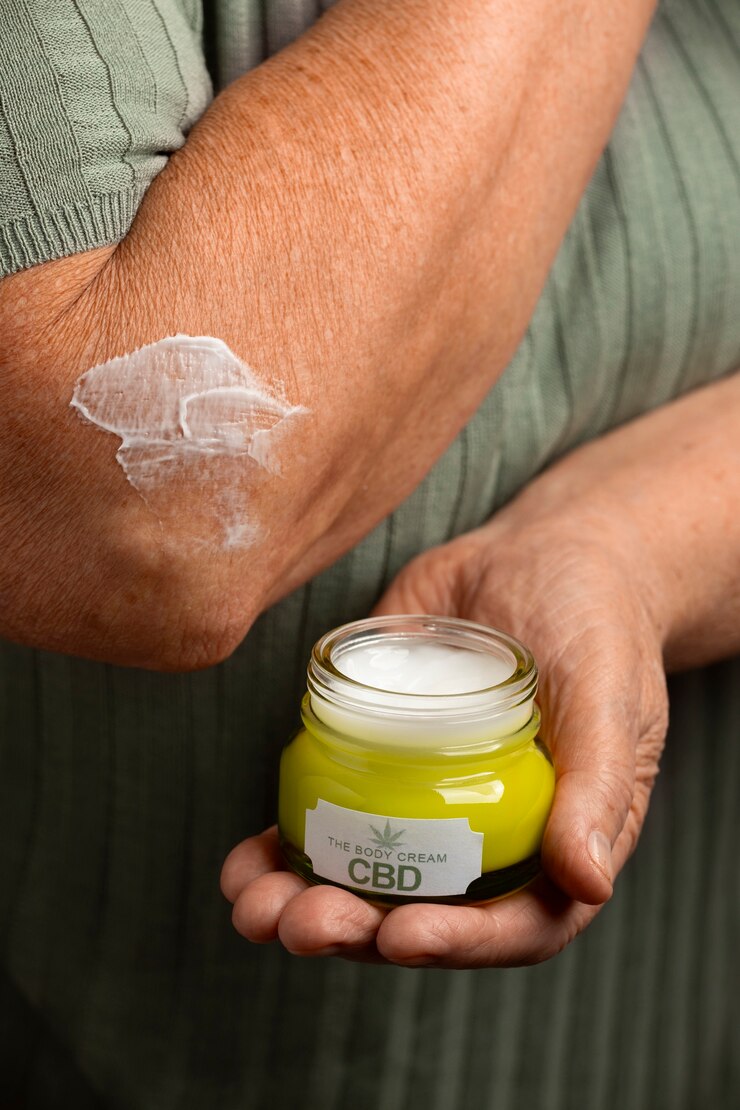
For people who want a practical topical option, a targeted cream such as foot pain relief cream can fit into an at-home comfort routine alongside rest, stretching, and better footwear.

Quick answer: what helps arthritis foot pain most?
The most useful approach is usually a combination of comfort measures rather than a single product. For many people, that means wearing shoes with a roomy toe box, using a cushioned insole if needed, doing light mobility work, and applying a topical cream to the painful spot when the feet feel stiff or overworked. The goal is to make movement easier without irritating sensitive joints.
What arthritis foot pain often feels like
Arthritis in the feet can show up in different ways depending on the joint and the amount of strain on the foot. Some people notice stiffness first thing in the morning. Others feel soreness after standing, walking, or wearing shoes that press on a sensitive area. The pain may be centered in the big toe joint, the midfoot, the arch, or around bunions.
Because foot pain can come from several causes, it helps to pay attention to the pattern. Pain that improves a little with movement is often managed differently from sharp pain, sudden swelling, or numbness. If you are unsure what is driving the discomfort, a clinician can help sort out whether arthritis, bunion pressure, plantar irritation, or another issue is involved.
At-a-glance relief options
| Option | Best for | What to consider |
|---|---|---|
| Topical cream | Direct, localized soreness | Useful when one spot feels especially tender; choose a formula you can apply comfortably |
| Cushioned shoes | Daily walking and standing | Roomy toe box and shock absorption can reduce pressure on irritated joints |
| Rest and elevation | Days when feet feel overused | Simple and low-risk, but not a complete long-term plan on its own |
| Gentle stretching | Morning stiffness | Keep movements mild; avoid forcing painful joints |
| Ice or warmth | Different comfort preferences | Some people prefer cooling after activity, others like gentle warmth for stiffness |
What to look for in a foot pain relief product
When you are choosing a topical for arthritis-related foot discomfort, the most important question is not just whether it is “strong,” but whether it fits your routine and the type of pain you feel. A good option should be easy to apply, suitable for repeated use, and focused on the exact area you want to soothe.
| Buying factor | Why it matters | Helpful question to ask |
|---|---|---|
| Application feel | Feet are sensitive, so a cream should spread well without feeling overly greasy or irritating | Will I actually want to use this every day? |
| Target area | Pain around bunions, toes, or the ball of the foot may need a different approach than general foot fatigue | Where is the discomfort strongest? |
| Routine fit | Consistency matters more than occasional use | Can I apply it before shoes, after bathing, or before bed? |
| Comfort goals | Some people want soothing after long shifts; others want something they can pair with massage or stretching | Is my main goal temporary relief, routine comfort, or both? |
How to use a topical cream as part of a foot care routine
A topical cream works best as part of a simple routine rather than as a stand-alone fix. Start by washing and drying your feet so the area is clean. Apply a small amount to the sore or stiff section of the foot. Use gentle pressure rather than deep massage if the area is very tender. Then let the cream absorb before putting on socks or shoes.
Many people find it useful to pair a cream with one or two other habits: better-fitting footwear, short rest breaks during the day, and light movement to keep joints from stiffening up. If your pain is worse after standing, it may help to use the cream in the evening as part of a wind-down routine. If mornings are the hardest time, try it after a warm shower and gentle stretching.
When arthritis foot pain may need extra attention
Not every sore foot is simple joint stiffness. You should seek medical advice if pain is severe, swelling is sudden, the foot changes color, you cannot bear weight, or the discomfort is getting worse instead of better. It is also a good idea to check in if your pain is interfering with sleep, balance, or normal walking.
Topicals can be helpful for day-to-day comfort, but they should not replace evaluation when symptoms are new, intense, or unusual.
How to choose the right relief strategy for your needs
If your pain is mild and mostly shows up after long days, a comfort-first routine may be enough: supportive shoes, short rest periods, and a topical cream for local soreness. If your pain is centered around a bunion or toe joint, look for products that are easy to apply to a small, precise area. If your feet feel stiff in the morning, pair a topical with gentle mobility work before you start walking around.
The best choice is the one you can use consistently. For many people, a targeted cream is appealing because it is simple, local, and easy to add to the habits they already follow.
FAQ: arthritis foot pain relief
What is the fastest way to calm arthritis foot pain?
A mix of rest, reduced pressure, and a topical comfort product is often the quickest practical approach. If a shoe is rubbing the painful spot, changing footwear can help as much as anything else.
Should I use heat or ice for arthritis in the foot?
It depends on what feels better. Ice may feel more useful after activity or when a joint feels irritated, while gentle warmth may feel better for morning stiffness.
Can a cream help with bunion-related foot pain?
It may help with local comfort, especially when the bunion area feels sore from friction or pressure. It works best when paired with roomier shoes.
How often should I apply a foot pain relief cream?
Follow the product directions on the label and use it consistently in a routine that fits your day. The most useful schedule is usually the one you can maintain.
What shoes are best for arthritis foot pain?
Look for shoes with a roomy toe box, good cushioning, and enough structure to avoid extra pressure on sensitive joints.
When should I get a doctor to check my foot pain?
Get checked if the pain is sudden, severe, swollen, or making it hard to walk normally. New numbness, redness, or major changes in foot shape also deserve attention.
If you are building a simple daily routine for sore feet, start with better footwear, a few minutes of gentle movement, and a targeted topical that is easy to use regularly. For a product option that fits that kind of routine, explore the foot pain relief cream and see whether it matches your comfort goals.