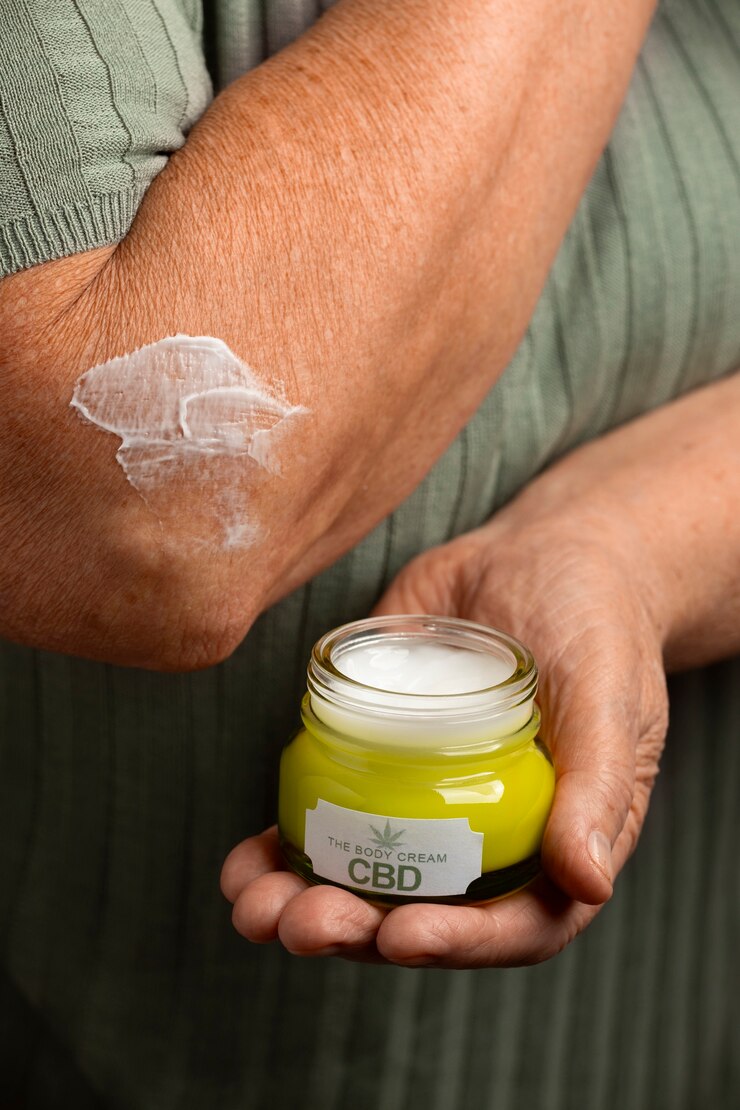

How Often Should You Exfoliate Your Body?
How often should you exfoliate your body? There is no single weekly number that fits every skin type and product. Choose a schedule around the strength of the exfoliation and how your skin feels afterward. A gentle washcloth and a leave-on acid are different exposures. If skin is already stinging, sunburned, cracked, or inflamed, skip exfoliation and deal with that first.
The goal is comfortable skin with less unwanted surface roughness. Feeling tight, squeaky, or raw is not a sign of a more successful treatment. You also do not need to exfoliate simply because another day has appeared on a calendar.
Why a fixed schedule often goes wrong
The American Academy of Dermatology's guide to exfoliating at home says frequency depends on skin type and method. In general, more aggressive exfoliation should be done less often. It also makes a point that product routines often leave out: exfoliation is not necessary or suitable for everyone.
Think about the total routine rather than only the bottle labeled “scrub.” A rough mitt, an acid body wash, a leave-on lotion with an exfoliating ingredient, and shaving can all affect how skin tolerates the next step. Buying a gentle-looking product does not make the rest of that routine disappear.
Swipe the table to compare all columns.
| Your skin or routine right now | Better scheduling decision | What to check before the next session |
|---|---|---|
| Comfortable skin; trying a new exfoliant | Follow the label and start conservatively on a limited area | Whether discomfort develops during or after use |
| Dry, tight, or itchy skin | Prioritize moisturizing; reduce or pause exfoliation | Whether ordinary cleansing and moisturizer feel comfortable again |
| Recently shaved or waxed area | Avoid automatically adding a scrub in the same session | The hair-removal and exfoliant instructions, plus any sensitivity |
| Already using retinol, a retinoid, or benzoyl peroxide | Review the combination before adding exfoliation | Advice for the existing treatment and signs of irritation |
| Open cuts, sunburn, or an active rash | Do not exfoliate the affected area | Healing and, when needed, professional advice |
| Dark marks after irritation | Avoid escalating to harsher friction or acids | Whether irritation is contributing to the pigmentation |
The table is a decision guide, not a treatment timetable. Someone with thick, comfortable skin may tolerate a method that irritates someone else immediately. There is no benefit in matching another person's frequency when your own skin is telling you to stop.
Mechanical or chemical: count the whole method
Mechanical exfoliation removes surface cells through physical contact. Examples include a washcloth, body brush, mitt, or grainy scrub. Pressure, the roughness of the material, and how long you keep rubbing all change the experience. A soft cloth used lightly is not equivalent to pressing a stiff brush into the same patch repeatedly.
Chemical exfoliation uses ingredients such as alpha or beta hydroxy acids. A wash-off product and a leave-on product have different instructions, even if they mention the same acid. Follow the exact product directions rather than borrowing the contact time from another bottle.
The AAD cautions that strong mechanical or chemical exfoliation can increase dark spots in some people, especially those with darker skin tones or a history of marks after irritation. If roughness bothers you but rubbing makes the area darker, increasing pressure is the wrong experiment.

If you want to understand acid categories before choosing a product, the existing salicylic acid or glycolic acid comparison covers their different roles. An ingredient comparison still does not establish how often a particular body formula should be used.
Vitamin C deserves a separate mention. A cream containing ascorbic acid is not automatically an exfoliating acid treatment. “Acid” in an ingredient name is not enough to identify the intended job of the finished product. Use the product's stated purpose and directions rather than treating all acid-sounding ingredients as interchangeable.
A practical way to find your own frequency
Begin with a routine you already tolerate: cleansing, moisturizing, and appropriate sun protection. If you are changing several products at once, postpone the new exfoliant until you can tell what the existing routine is doing. Otherwise, a reaction gives you several possible causes and very little useful information.
- Choose one method. Do not begin with an acid wash, a scrub, and a brush together.
- Read the entire label. Check intended body areas, whether to rinse, contact time, frequency, and combinations to avoid. Follow any instructions for a small-area trial.
- Try a limited area gently. Do not start by treating every rough patch from shoulders to ankles.
- Assess skin after the shower as well as during it. Stinging from your usual moisturizer, unusual tightness, or persistent redness means the routine needs less irritation, not another session.
- Keep the schedule only if it remains comfortable. A product label sets directions for use; it does not oblige you to use the maximum frequency.
- Change one factor at a time. If you adjust the interval, keep the product and pressure consistent. Switching all three makes the result hard to interpret.
A short note can be useful: body area, method, whether you shaved, and how skin felt later. It does not have to be a formal tracker. “Shins felt tight after the mitt; moisturizer stung” is enough information to decide against repeating the same session immediately.
Should you exfoliate before or after shaving?
Do not stack both steps by default. Hair removal can leave skin more sensitive, and an exfoliant that felt comfortable on another day may sting after shaving. Start with each product's directions and how the treated area feels. If either label advises separation, follow it.
The AAD's dry-skin guidance recommends shaving toward the end of a shower or bath, when water has softened skin and hair, and moisturizing afterward. It does not make a harsh scrub a prerequisite for shaving.
If you repeatedly get painful bumps or an inflamed rash, stop trying to scrub them away. Review the hair-removal routine and get advice about persistent symptoms. A body brush cannot tell you whether the bumps are irritation, ingrown hairs, or another skin condition.
What to apply after exfoliating
Follow exfoliation with a moisturizer that suits the area and your skin. The AAD recommends moisturizing immediately after exfoliation because the process can be drying. General dry-skin advice favors a gentle, fragrance-free cream or ointment when dryness is significant.
For a particular cosmetic, follow its own label too. If it specifies clean, dry skin, do not assume that general damp-skin advice overrides that direction. You can select a moisturizer whose instructions fit the routine you want rather than forcing an unsuitable product into every step.
Swipe the table to compare all columns.
| Product or step | Role after exfoliation | What it does not mean |
|---|---|---|
| A tolerated moisturizer | Supports a more comfortable surface and reduces dry feel | That continued stinging should be ignored |
| A richer cream for dry areas | May suit areas where a light lotion feels insufficient | That every body area needs the same richness |
| Cosmetic body oil | Can add softness or massage slip if suitable | That a shiny finish proves skin is adequately hydrated |
| Another active serum or peel | Adds another exposure and needs its own compatibility check | That “layering” is always an improvement |
| Sun protection | Helps protect exposed skin as part of daily care | That moisturizer or exfoliation replaces sunscreen |
If you are deciding between formats, our body oil vs lotion guide explains what changes when you add an oil layer. Oil is optional; a comfortable moisturizing base matters more than the number of products on the shelf.
Where our vitamin C body cream fits
Our Bee Venom Vitamin C Moisturizing Body Cream is a body moisturizer for dry-looking skin. It is an option to compare for the moisturizing part of a routine, not the product used to determine your exfoliation frequency. It is not a body scrub or a peel.
The ingredient artwork lists glycerin, mineral oil, ascorbic acid, ginseng, horse chestnut, and bee venom among the ingredients. That panel helps you check the formula against your preferences and known sensitivities. It does not show that the cream removes dead skin, performs like an AHA treatment, or has been tested after every exfoliation method.

The product directions call for application to clean, dry body skin and gentle massage. Review the current instructions before combining it with your routine. Avoid it if you have a known allergy to bee-derived ingredients or another listed component; use a different suitable moisturizer instead. Do not put a new cosmetic onto skin that is already raw or burning.
If your skin is comfortable and you want a moisturizing body-cream format, the product page gives you the ingredients and application details to compare. If dryness is your main concern, the broader dry-skin care routine may be a more useful starting point than buying another exfoliant. Our skin-care collection separates those cosmetic options.
Questions about body exfoliation schedules
Can I exfoliate my body every day?
Do not assume daily use is suitable. Frequency depends on the method, product directions, and skin tolerance. A routine that causes tightness, redness, or stinging is too irritating even if the bottle allows frequent use. Cleansing your body does not require a separate exfoliation step every day.
Is flaky skin a sign I need to scrub more?
Not necessarily. Flaking can accompany dryness or irritation. Adding friction may worsen it. Start by checking whether your cleanser, shower temperature, and moisturizing routine are comfortable, and seek advice for persistent or painful changes.
Can I exfoliate one body area more often than another?
Different areas can tolerate products differently, but do not exceed the label's directions. Treat an irritated patch as its own problem rather than using the rest of the body as proof that the same method is safe there. Avoid delicate or excluded areas.
What if my moisturizer stings afterward?
Stop the exfoliant and any new product that irritates. Return to gentle care and seek advice if symptoms persist, are severe, or involve broken skin. Stinging is not a useful measure of exfoliation success.