
How to Know if Toenail Fungus Is Dying: What to Look For
The most useful sign that a treated toenail may be improving is a strip of clearer, smoother nail growing from the base. Over time, that strip should widen and the damaged part should move toward the tip. Color alone can't tell you that toenail fungus is dead, and a nail doesn't have to look normal for treatment to be working.
Which changes are worth tracking?
- A clearer strip next to the cuticle
- Look where the nail first emerges, not at the part you clip. Seeing that clear strip get wider over several weeks is more informative than seeing a yellow tip look lighter after filing.
- An old patch that moves toward the tip
- Damaged nail doesn't repair itself. It can stay thick or discolored until it grows out and you trim it. A big toenail can take a year or longer to replace itself.
- Fresh changes at the base or in another nail
- Don't assume this is a normal stage of healing. Ask the clinician treating you to reassess it, particularly if the nail becomes painful or starts lifting.
How to compare without guessing
Photograph the bare, dry nail in daylight. Include the cuticle and tip, and note the date and which toe it is. Take another photo about a month later in the same light. Compare the boundary between clear and changed nail, not just the shade of yellow. Daily photos make slow growth hard to see.
Does a clearer nail mean I can stop treatment?
No. Follow the course your prescriber gave you, even if the nail looks better. If you haven't had a diagnosis, don't use a photo or a response to a cosmetic product as a test. A shoe injury can also discolor a nail; see bruised toenail or fungus for clues to discuss at an appointment. A clinician can examine the nail and, when appropriate, test a nail sample.
Where to look on the nail: a visual guide

Place a finger near, but not on, the base of the nail in your photograph. That is the end nearest the skin fold, not the white edge you clip. Trace an imaginary line across the point where clearer nail meets the older changed area. If new nail is coming in looking more typical for you, that line may be farther from the base when you repeat the photo later. The entire tip can still look much as it did before. Old nail doesn't become new nail simply because a treatment course has begun.
Three snapshots people often interpret differently
- The base looks clearer, but I still have a thick yellow end.
- It is possible for new growth to look better while old damage remains at the tip. Check whether the boundary moves with growth. Don't dig beneath the nail to remove the old section or assume you should shorten a prescribed course.
- The tip looks paler immediately after filing.
- Filing changes the surface you are looking at. It doesn't show what is happening at the base or establish that a fungus is dying. Make a note if a photo was taken straight after trimming or filing.
- The new area is changing too.
- Changes near the base, new involvement in other nails, pain or lifting warrant reassessment. A photograph may help describe the timing, but it cannot identify the cause.
How do I know if toenail fungus is dying when I cannot see a clear boundary?
You may not know from appearance at all. Your nail might be naturally ridged, a previous injury might change its shape, or an opaque surface might make the base hard to see. A darker nail isn't necessarily a more severe infection and a lighter nail isn't necessarily a treated one. If you cannot tell which part is new, say exactly that at your next appointment. Describing uncertainty is more useful than labeling a color a “stage” of fungus when different nail problems can look similar.
Make a record that is useful to a clinician
Include the date, which toe you photographed, when the change began and whether the nail hurts. Note any prescribed treatment and when you actually started using it. If you missed applications or had to stop because of irritation, record that as well. Put a second toe or a wider view of the foot in one image so you can orient yourself, then take a closer view without filters. Those details can help explain a change between visits. They do not require you to measure a growth rate or interpret a photograph like a laboratory result.
Can less crumbling be a sign of improvement?
It may be an encouraging change, but a single observation is not specific enough. A shorter, freshly trimmed edge can catch on socks less often even if the underlying cause is unchanged. An edge can look smoother after a change in footwear or after you stop picking at it. Think of less snagging as a useful comfort outcome. To discuss response to treatment, combine that observation with what the new nail looks like, how long treatment has been used and what your clinician expected to see at follow-up.
Does lack of soreness mean the fungus is gone?
Not necessarily. Some affected nails are not painful in the first place. Other nails can remain uncomfortable because a thick edge presses against a shoe, irrespective of how the infection responds. Pain is worth mentioning, especially if new or worsening, but its absence doesn't establish cure. Increasing redness, drainage or significant swelling around a nail is a reason to seek advice rather than wait for the next comparison photo. If you have diabetes or poor circulation, ask your care team about appropriate nail care.
Why a product demonstration is not the same as evidence of recovery
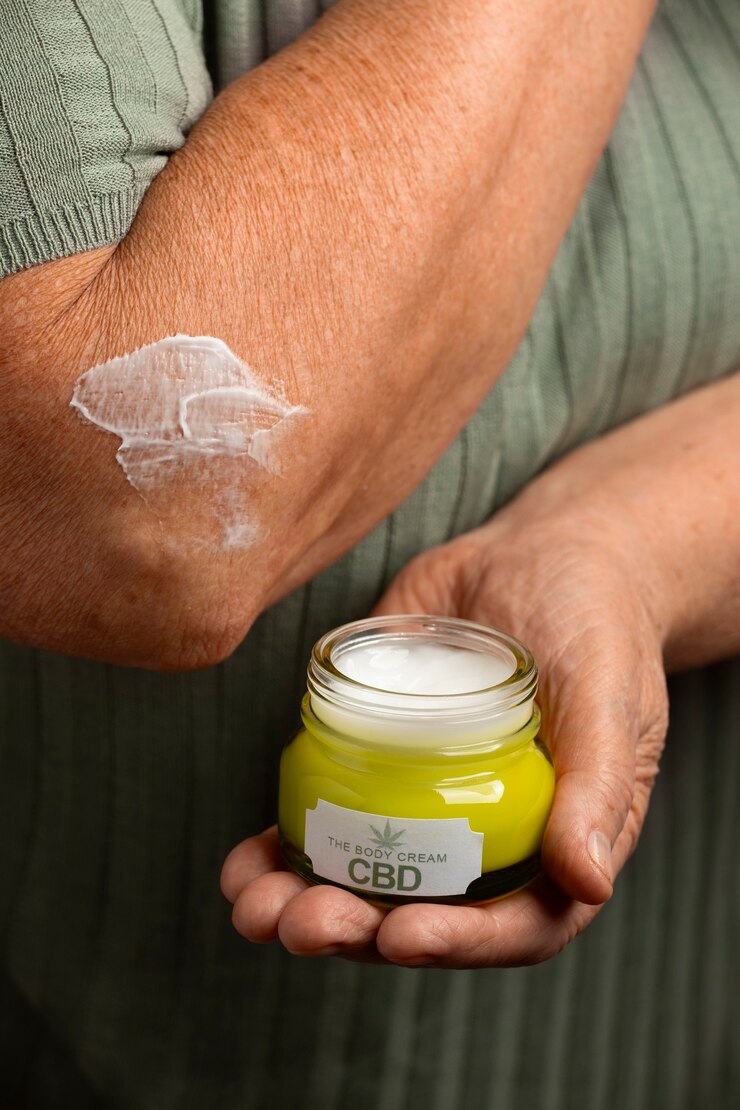
Photographs of a cream spreading or a wrap sitting neatly over a nail show how a product is applied. They don't establish what is present underneath. A glossy coating can change how light reflects from the surface, and a patch covers the part you are trying to see. If you are documenting change, photograph the clean bare nail in similar conditions rather than comparing one photo with product on it to another without. Resist the temptation to test several products at once to see which produces the nicest-looking photograph.
If your clinician has prescribed an antifungal, ask about the correct preparation of the nail, how to apply it, how long to continue and when to return. Ask specifically before putting a cosmetic wrap or cream over a prescribed topical medicine. A label giving a wear time for a cosmetic patch is not a direction for another treatment. For an overview of why diagnosis, testing and the type of treatment matter, see the American Academy of Dermatology's nail fungus treatment guide.
Which product page is relevant if all I want to compare is format?
For hand-applied coverage, the 20g nail-care cream page shows a jar and describes application across the nail and surrounding nail skin. For a shaped adhesive format, the 21-count ginger and mint nail patches page shows how the wrap sits on an individual nail. Check the formulation, intended area and labeled directions before choosing. Neither page can tell you whether a change in your nail is fungal, whether a particular medicine is working or when it is appropriate to stop treatment.
If you remember only one thing at your next nail check
Compare the same toe at the same end of the nail, under the same light. A clear-looking gap that gradually widens from the base tells you more about the appearance of new growth than a tip that changes color overnight. Bring the photos if you need advice. The useful question is not whether your nail matches an internet picture of “dying fungus,” but whether its progress makes sense for your confirmed diagnosis and treatment plan.
What should I ask at follow-up if the photos look unchanged?
Bring the treatment name as well as the pictures. Ask whether the elapsed time is long enough for a visible change to be expected in your particular case, whether your application method matches the directions, and what finding would justify another examination or test. A photo taken a few days after starting and one taken after a substantial period of nail growth answer very different questions. Don't double an application, switch to a new product or stop a prescription on the basis of those pictures alone. The most useful outcome of the appointment is a clear next step and an agreed time to review it.
Where nail-care products fit
If you're choosing a grooming format alongside a care plan, the 20g nail-care cream spreads over the nail and its edges; the 21-count ginger and mint nail patches wrap an individual nail. Neither format tells you whether an infection has cleared. If you're using a prescribed nail treatment, check before layering a cream or patch over it.

Source: American Academy of Dermatology: nail fungus diagnosis and treatment.
Continue the nail-care check: read how to reduce spread when toenail fungus is suspected, or see what to ask before a pedicure before choosing a cosmetic service.