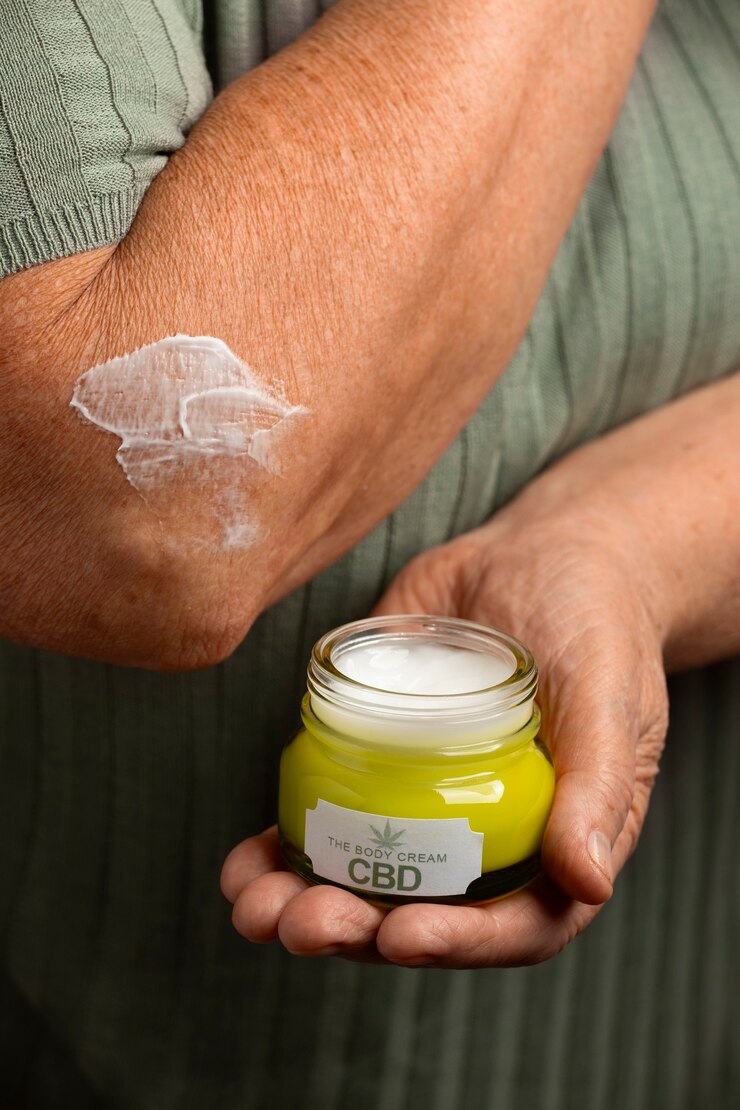

Body Oil vs Lotion: Which Should You Use?
Body oil and body lotion do different jobs. A typical lotion combines water with moisturizing ingredients, making it a practical first choice when skin feels dry or tight. An oil mainly softens skin and adds slip; depending on its formula, it can also help slow moisture loss. Choose lotion for an everyday moisturizing base, oil for massage or a supple finish, and both only when your skin benefits from the extra layer.
The confusing part is that a glossy finish can feel like better hydration even when your skin is still uncomfortable underneath. The useful comparison is how your skin feels later, once you are dressed and the initial shine has settled.
Body oil vs lotion: what actually changes?
DermNet's explanation of moisturizers separates three useful functions: emollients soften and smooth, humectants attract and retain water, and occlusives reduce water loss. A finished product can perform more than one function. “Oil” and “lotion” describe formats, not a complete performance rating.
Swipe the table to compare all columns.
| What you are comparing | Typical body oil | Typical body lotion |
|---|---|---|
| Basic format | Oil-based liquid; check whether the formula also contains water | Usually an emulsion of water and oils |
| Most useful role | Softness, massage glide, a surface finish | Convenient everyday moisturizing over larger areas |
| Water-binding ingredients | Cannot assume these are included from the name | May include glycerin, urea, or other humectants; read the label |
| Feel during application | Slippery and easy to spread in a thin layer | Creamy or fluid, often easier to portion with a pump |
| Finish | May leave visible sheen or transfer to clothing | May feel lighter, but richer lotions can also leave a film |
| Main limitation | Shine alone does not establish that dryness is resolved | A light lotion may be insufficient for very dry, cracked skin |
These are format-level differences, not results from a head-to-head product test. Some oils feel light; some lotions feel rich. Fragrance, other added ingredients, and how much you apply can matter as much as the format.

Which should you choose for your skin and routine?
If skin feels tight after a shower
Start with a moisturizer rather than relying on oil alone. The American Academy of Dermatology's dry-skin advice recommends applying a fragrance-free moisturizer while skin is still damp after bathing. For pronounced dryness, it favors a cream or ointment over a lighter lotion.
That makes “oil or lotion?” the wrong final choice if your shins are cracking or every application stings. A richer, simpler moisturizer may be the better next purchase. Persistent irritation also deserves attention rather than another layer of scented body care.
If you want massage glide or a soft sheen
Oil is the more direct match. A small amount lets hands move smoothly over skin without repeatedly adding product. The cosmetic goal here is a comfortable massage and a softer surface feel. It is not a reason to press harder, keep rubbing irritated skin, or expect a change in body size.
Try it when you have time for the finish to settle before dressing. If your clothes pick up oil, reduce the amount next time rather than assuming the formula needs more vigorous rubbing to “activate.” Keep it away from the soles of your feet before walking on a smooth floor.
For a closer ingredient comparison, see jojoba oil vs coconut oil; pure oils and targeted blends should be compared by the complete formula and intended area.
If you need a quick morning routine
Choose the format you can apply comfortably and consistently. A pump lotion often makes it easier to cover arms and legs with an even amount before getting dressed. If you dislike a shiny finish, that practical preference is enough reason to skip an extra oil layer.
For a richer cream-style option, the separate body butter or lotion comparison explains when increasing richness makes more sense than adding another format. You do not need lotion, butter, and oil in every routine.
Can you use body oil and lotion together?
Yes, when the combination feels comfortable and each product's directions allow it. A common arrangement is moisturizer first, followed by a thin oil layer on areas where extra softness is welcome. This gives the lotion a chance to spread evenly before the oil changes the surface feel.
Do not mix a whole bottle of oil into your lotion. You would change a finished formula without knowing how it affects stability, preservation, or the amount used with each application. Separate layers also make it easier to identify which product causes stinging or leaves an unwanted film.
One important detail: general advice to moisturize damp skin does not override a particular product label. If an oil instructs application to clean, dry skin, follow that instruction. Apply your usual moisturizer after bathing, allow the surface to dry, and use the oil later if appropriate. Our body oil application guide covers timing and routine pairing in more detail.
If layering leaves skin sticky, reduce or remove the second layer. More product is not automatically more helpful. For sunscreen, follow its application directions rather than mixing it with either body oil or lotion; neither format is a substitute for sun protection.
A simple way to compare without buying everything
Use your existing moisturizer as a starting point. Notice when discomfort returns, where it happens, and whether clothing affects the feel. Then change one thing at a time. This is a personal comfort check, not a clinical test or proof that one ingredient works better.
Swipe the table to compare all columns.
| What you notice | Reasonable next adjustment | What to avoid assuming |
|---|---|---|
| Comfortable skin, but you want more massage slip | Try a small amount of oil on a limited area | That you need to replace a lotion that already works |
| Tightness returns despite a shiny finish | Reassess the moisturizing base; consider a richer fragrance-free cream | That more shine means more hydration |
| Clothes feel greasy | Use less oil or reserve it for another time | That hard rubbing will make excess product disappear |
| New stinging, itching, or redness | Stop the new product and let the skin settle; seek advice if symptoms persist | That discomfort means the product is working |
| Dryness is severe or skin is cracked | Follow dry-skin care advice and get help if it does not improve | That switching cosmetic formats will address every cause |
Keep other products consistent while making this comparison. Adding a scrub, a fragranced wash, and an oil on the same evening makes a reaction difficult to trace. Also compare equivalent situations: skin after a hot shower can feel different from skin on a day when you have not washed that area.
Where our body oil fits
Our Bee Venom Body Shaping Oil for Skin Conditioning is an option for someone specifically looking for a topical massage oil. Despite the “shaping” wording in its name, the practical reason to choose it here is massage glide and cosmetic skin conditioning—not fat loss or a change in body contours.
The product's ingredient artwork lists mint extract, ginger root extract, mugwort extract, bee venom, and black pepper seed extract. That list helps you screen ingredients; it does not establish their concentrations or show that this oil outperforms a moisturizer. Botanical extracts and bee-derived ingredients also make it a different choice from a plain fragrance-free moisturizing formula.

Read the full current ingredient information and directions before buying. If you have a known allergy to bee-derived ingredients, avoid this oil and ask a clinician about an appropriate alternative. A small-area trial can reveal local irritation, but it does not rule out a serious allergy. Use only on intact skin, keep away from eyes and sensitive areas, and stop if it irritates.
For someone who already has a comfortable moisturizing routine and wants a massage step, check the oil's product page for the bottle, ingredients, and application directions. For someone whose main problem is persistent dryness, improve the moisturizing base first. Those are different shopping decisions, even if both happen in the body-care aisle.
Common questions about body oil and lotion
Is body oil more moisturizing than lotion?
Not automatically. The answer depends on the finished formulas and what your skin needs. An oil may improve softness and help retain moisture, while a lotion may combine several moisturizing functions. For very dry skin, a cream or ointment may be more suitable than either a light lotion or a cosmetic oil.
Should body oil go before or after lotion?
Lotion first and a small oil layer afterward is a useful starting point when both labels allow it. Let the first product spread and settle, and follow any clean, dry-skin instruction on the oil. If the combination feels heavy, using only one product is reasonable.
Can I replace lotion with oil in summer?
You can choose a simpler routine if your skin stays comfortable, but the season alone does not decide the answer. Air conditioning, cleansing, and your own skin can change what feels adequate. Watch for returning tightness rather than judging only by whether the oil looks light.
Does body oil need to tingle to work?
No. Tingling is not evidence of moisturizing, firming, or fat burning. If a product stings or causes persistent redness, stop using it. A comfortable finish is a better everyday goal than a strong sensation.