
Sciatica Pain Relief Cream: What a Topical Can and Cannot Do
Sciatica pain—sharp, radiating discomfort that runs from the lower back down through the leg—affects millions of people every year. When the pain flares, many reach for a topical cream, hoping for quick, localized relief without pills or injections. But what can a sciatica pain relief cream actually do, and where does it fall short?
This guide explains how topical creams work for sciatica, what ingredients matter, when they help most, and when other interventions are necessary. If you're weighing whether a cream is worth trying, this article will help you set realistic expectations and choose the right product for your situation.
What Sciatica Pain Relief Creams Can Do
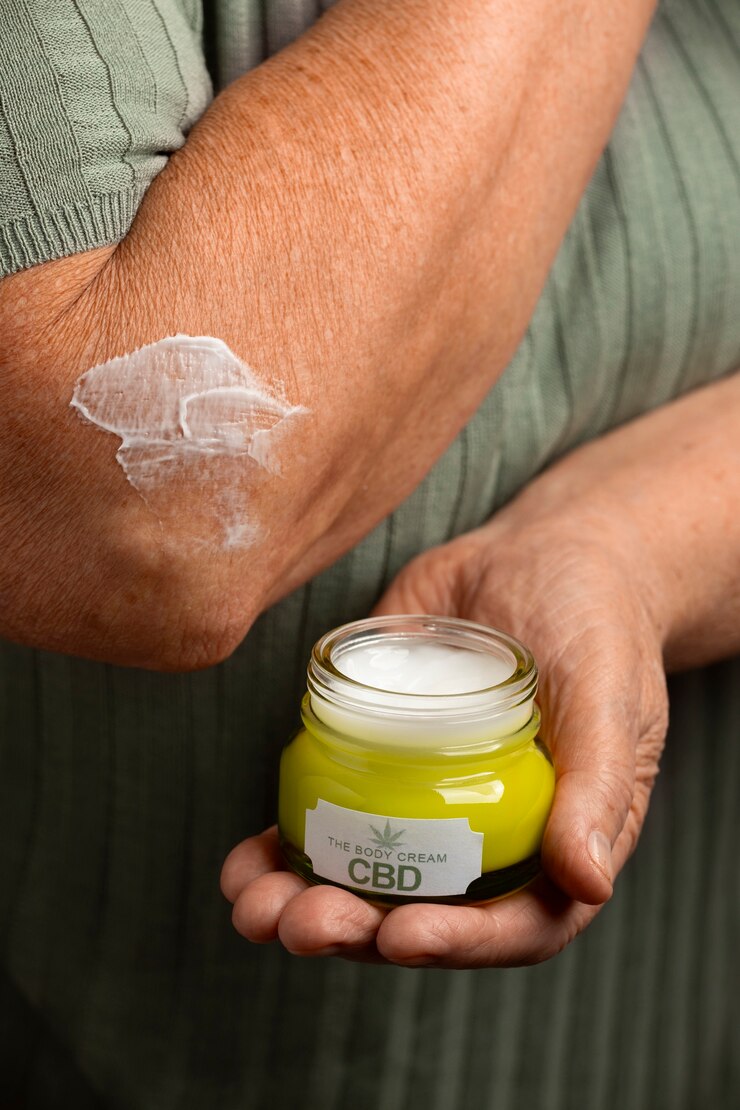
Topical creams designed for sciatica pain work by delivering active ingredients through the skin to nearby nerve endings, muscles, and soft tissue. They do not fix the underlying cause of sciatica—such as a herniated disc or spinal stenosis—but they can provide temporary relief for some symptoms.
Here's what topical creams can realistically achieve:
- Localized cooling or warming sensation: Ingredients like menthol or capsaicin create a counter-irritant effect that distracts the brain from pain signals.
- Temporary reduction in surface-level discomfort: Creams may ease muscle tension or soreness in the lower back, buttocks, or upper leg where nerve pain radiates.
- Non-systemic option: Unlike oral medications, topical creams don't enter the bloodstream in significant amounts, which reduces the risk of systemic side effects.
- Convenient supplementary relief: They can be applied before stretching, after a long day sitting, or during flare-ups to take the edge off pain.
For mild to moderate sciatica pain, especially when it's tied to muscle tightness or inflammation near the surface, a well-formulated cream can be a useful part of a broader pain management routine.

What Sciatica Pain Relief Creams Cannot Do
It's equally important to understand the limitations of topical creams. Sciatica is a nerve-related condition, often caused by compression or irritation deep in the spine. Topical creams cannot:
- Address the root cause: A cream will not reduce a herniated disc, decompress a spinal nerve, or reverse spinal stenosis.
- Penetrate deeply enough to reach the sciatic nerve: The sciatic nerve runs deep in the pelvis and leg. Topical ingredients rarely penetrate beyond superficial tissue layers.
- Provide long-term relief on their own: Without addressing posture, movement patterns, or structural issues, pain will likely return once the cream wears off.
- Replace medical treatment for severe cases: If sciatica is accompanied by numbness, weakness, loss of bladder control, or worsening symptoms, a cream is not an appropriate substitute for professional evaluation.
Topical creams work best as part of a layered approach that includes stretching, strengthening, ergonomic adjustments, and, when necessary, physical therapy or medical intervention.
Key Ingredients in Sciatica Pain Relief Creams
Not all creams are formulated the same way. Here are the most common active ingredients and what they do:
| Ingredient | Mechanism | Best For |
|---|---|---|
| Menthol | Creates a cooling sensation that distracts from pain | Immediate, short-term relief |
| Capsaicin | Depletes substance P (a pain transmitter) over time | Longer-term use; requires consistent application |
| Bee venom | May stimulate circulation and reduce localized inflammation | Muscle tension and surface-level nerve discomfort |
| Arnica | Traditionally used for bruising and inflammation | Post-activity soreness or mild flare-ups |
| Camphor | Mild analgesic and counter-irritant | Temporary relief in combination formulas |
| CBD | May reduce inflammation and modulate pain perception | Mild to moderate pain; requires quality sourcing |
Combination formulas that pair anti-inflammatory agents with counter-irritants tend to offer the most versatile relief. For example, a cream with bee venom, arnica, and menthol may address both muscle tension and nerve-related discomfort at the surface level.
When to Use a Sciatica Pain Relief Cream
Topical creams are most effective in these scenarios:
- Mild flare-ups: When pain is noticeable but not debilitating, a cream can help you stay functional without immediately turning to oral medication.
- Before or after stretching: Applying a cream before stretching can help relax tight muscles and improve range of motion. After stretching, it can ease residual soreness.
- During long periods of sitting or standing: If your sciatica worsens with prolonged postures, a cream can offer temporary relief until you can move or adjust your position.
- As part of a multi-modal approach: Creams work best when combined with other strategies—core strengthening, ergonomic adjustments, heat or ice therapy, and professional guidance.
For example, the Bee Venom Spinal Joint Care Cream is formulated specifically for neck, back, and lumbar discomfort, making it a practical option for those experiencing sciatica-related muscle tension in the lower back.
How to Choose the Right Cream for Sciatica
Not every cream labeled for pain relief will work well for sciatica. Here's what to look for:
1. Ingredient Transparency
Choose creams that clearly list active ingredients and their concentrations. Avoid vague terms like 'proprietary blend' without disclosure.
2. Formulation for Deep Tissue or Nerve Pain
Look for ingredients like bee venom, capsaicin, or arnica that target inflammation and circulation, not just surface-level cooling.
3. Absorption and Texture
Fast-absorbing creams are more practical for daily use. Greasy formulas may stain clothing or require extra cleanup. If absorption matters to you, consider a fast-absorbing joint care cream.
4. Sensitivity and Allergen Risk
If you have sensitive skin or known allergies (especially to bee products), patch-test any new cream on a small area first.
5. Realistic Claims
Avoid creams that promise to "cure" sciatica or eliminate nerve pain permanently. Trustworthy products focus on temporary relief and symptom management.
Using a Sciatica Pain Relief Cream Safely
Even though topical creams are generally low-risk, safe use still matters:
- Clean and dry the area: Apply the cream to clean skin for better absorption.
- Use the recommended amount: More is not better. Overuse can cause skin irritation without increasing effectiveness.
- Avoid broken or irritated skin: Do not apply creams to open wounds, rashes, or areas with active inflammation.
- Wash hands after application: Especially with capsaicin-based creams, avoid touching your eyes or mucous membranes.
- Monitor for reactions: If you experience burning, itching, or worsening pain, discontinue use and consult a healthcare provider.
When a Cream Isn't Enough
Topical creams are not a replacement for medical care when sciatica is severe or progressive. Seek professional evaluation if you experience:
- Pain that worsens over several weeks despite rest and self-care
- Numbness or tingling that spreads or intensifies
- Weakness in the leg or foot, such as difficulty walking or lifting the foot
- Loss of bladder or bowel control (a medical emergency)
- Pain that follows an injury or accident
In these cases, imaging studies, physical therapy, or other medical interventions may be necessary to address the underlying issue.

Other Options to Pair with a Sciatica Cream
For the best results, combine a topical cream with these strategies:
- Stretching and mobility work: Gentle stretches for the piriformis, hamstrings, and hip flexors can reduce nerve compression.
- Core strengthening: A stronger core supports the spine and reduces strain on the lower back.
- Heat or ice therapy: Ice reduces acute inflammation; heat relaxes tight muscles.
- Ergonomic adjustments: Improve your sitting posture, workstation setup, or sleep position to reduce daily aggravation.
- Physical therapy: A physical therapist can assess your movement patterns and guide you through targeted exercises.
If you're looking for broader joint support, explore options like the care cream collection, which includes formulas for different areas and use cases.
Frequently Asked Questions
Can a sciatica pain relief cream cure sciatica?
No. Topical creams provide temporary symptom relief but do not address the structural or neurological causes of sciatica, such as disc herniation or nerve compression.
How often should I apply a sciatica cream?
Most creams can be applied 2-4 times per day. Follow the product's instructions and avoid overuse, which can irritate the skin without improving relief.
Are bee venom creams safe for sciatica?
Bee venom creams are generally safe for most people and may help reduce inflammation and muscle tension. However, individuals with bee allergies should avoid them. Always patch-test a new product first.
Can I use a sciatica cream with other treatments?
Yes. Topical creams work well alongside stretching, physical therapy, ergonomic adjustments, and other non-invasive treatments. Avoid combining multiple topical products on the same area without guidance.
What's the difference between a pain cream and a care cream?
Pain creams typically focus on immediate symptom relief with counter-irritants like menthol or capsaicin. Care creams often include nourishing or anti-inflammatory ingredients like arnica or bee venom for longer-term support. Some products blend both approaches.
Should I use a cream before or after exercise?
Both can work. Applying before exercise may help relax tight muscles and improve flexibility. Applying after exercise can ease post-activity soreness. Choose based on your symptoms and routine.
How long does it take for a sciatica cream to work?
Cooling or warming sensations usually appear within minutes. Anti-inflammatory effects or deeper relief may take 15-30 minutes or require consistent use over several days, depending on the ingredients.
Can I use a sciatica cream during pregnancy?
Some ingredients, such as capsaicin or certain essential oils, may not be recommended during pregnancy. Always consult your healthcare provider before using any topical product while pregnant or breastfeeding.
Final Thoughts
Sciatica pain relief creams are a practical, low-risk tool for managing mild to moderate discomfort, especially when combined with stretching, posture adjustments, and other self-care strategies. They work best as part of a layered approach, not as a standalone solution.
If you're looking for a topical option designed specifically for spinal and lumbar discomfort, the Bee Venom Spinal Joint Care Cream offers targeted support for the areas most affected by sciatica. For broader joint care needs, explore the full range of pain relief creams to find the formula that fits your routine.
Remember: topical creams are most effective when expectations are realistic, application is consistent, and other supportive habits are in place. If pain persists or worsens, professional evaluation is the next step.