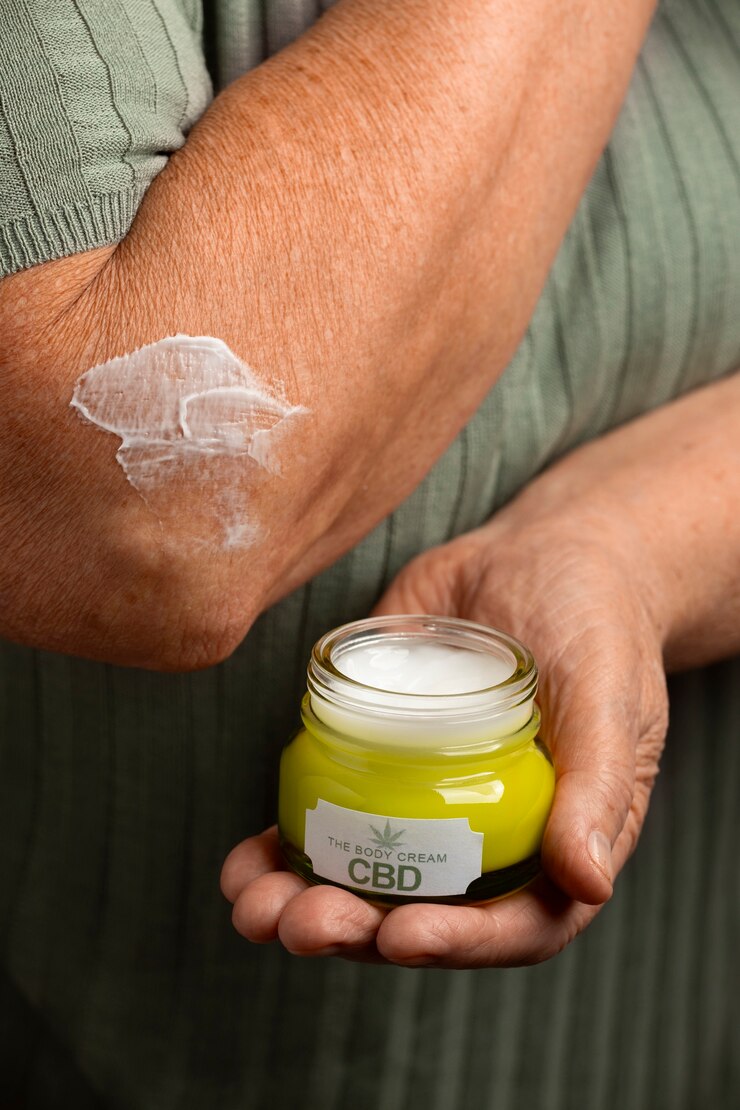

Knee Pain Relief Cream: When a Topical Option Makes Sense
Knee pain relief cream offers a non-invasive option for managing joint discomfort, inflammation, and mobility issues. While not appropriate for every type of knee pain, topical treatments can be effective for localized discomfort, minor injuries, and chronic conditions when used as part of a broader pain management approach.
This guide explains when a topical option makes sense, what to look for in a formula, and how to choose the right product for your specific situation.
Quick Take: When Topical Knee Relief Works
Topical creams work best for surface-level pain, mild to moderate inflammation, and situations where oral medications are not ideal. They deliver active ingredients directly to the affected area, minimizing systemic exposure and reducing the risk of gastrointestinal side effects common with oral pain relievers.
Best candidates for topical knee pain relief:
- Localized joint discomfort from overuse or minor injury
- Mild to moderate osteoarthritis-related knee pain
- Post-exercise soreness or stiffness
- Situations where oral NSAIDs are contraindicated or poorly tolerated
- Supplementary relief alongside physical therapy or other treatments

Top Active Ingredients in Knee Pain Relief Creams
The effectiveness of a knee pain relief cream depends largely on its active ingredients and their concentration. Here are the most common options and what they do:
NSAIDs (Topical Anti-Inflammatories)
Diclofenac and ibuprofen gels penetrate the skin to reduce inflammation at the joint. Clinical studies support their use for osteoarthritis-related knee pain. They work best when applied consistently over several days.
Counterirritants
Menthol, camphor, and capsaicin create a cooling or warming sensation that temporarily distracts from pain signals. Capsaicin, derived from chili peppers, can also deplete substance P, a neurotransmitter involved in pain transmission. These ingredients provide fast but temporary relief.
Natural and Alternative Compounds
Arnica, turmeric extract, and bee venom have gained attention for their anti-inflammatory and analgesic properties. Bee venom, in particular, contains melittin, a peptide that may help reduce inflammation and stimulate circulation. While evidence is still emerging, many users report noticeable improvement in joint comfort and mobility with consistent use.
Salicylates
Methyl salicylate works similarly to aspirin, providing mild pain relief and reducing inflammation. It is often combined with other ingredients for enhanced effect.
Comparison Table: Choosing the Right Formula
| Ingredient Type | Best For | Onset Time | Duration | Notes |
|---|---|---|---|---|
| Topical NSAIDs | Moderate osteoarthritis pain | 1–2 hours | 4–6 hours | Requires consistent use; may take days for full effect |
| Counterirritants | Acute soreness, stiffness | 5–15 minutes | 1–3 hours | Fast but temporary relief; does not address inflammation |
| Bee Venom | Chronic joint discomfort, swelling | 15–30 minutes | 4–8 hours | May support circulation and reduce inflammation over time |
| Salicylates | Mild pain, general stiffness | 30–60 minutes | 3–5 hours | Gentle option; often combined with other actives |
When to Choose a Topical Over Oral Pain Relief
Topical treatments are not a replacement for oral medications in every case, but they offer distinct advantages in certain situations:
Lower Systemic Exposure
Because the active ingredients are absorbed primarily at the application site, topical creams minimize systemic circulation. This reduces the risk of gastrointestinal bleeding, cardiovascular effects, and drug interactions associated with oral NSAIDs.
Targeted Application
If pain is localized to one or both knees, a topical product delivers relief where it is needed without affecting the rest of the body. This is particularly useful for people managing multiple medications or those with contraindications to oral analgesics.
Fewer Side Effects
Topical formulas are generally well-tolerated. The most common side effect is mild skin irritation at the application site, which is far less disruptive than the nausea, ulcers, or kidney strain that can result from long-term oral NSAID use.
Complementary Role in Multi-Modal Pain Management
Topical creams work well alongside physical therapy, strengthening exercises, weight management, and other non-pharmacologic interventions. They can fill gaps when oral medication is insufficient or when you want to reduce oral drug dosage.
How to Use Knee Pain Relief Cream Effectively
Proper application improves absorption and effectiveness:
- Clean and dry the skin. Remove any lotions, oils, or debris before application.
- Apply a thin, even layer. Use enough to cover the affected area, but avoid over-application. More is not always better.
- Massage gently. Rub the cream in using circular motions until fully absorbed. This also promotes circulation.
- Wash your hands immediately. Avoid transferring the product to your eyes, mouth, or other sensitive areas.
- Allow time to absorb. Wait at least 10–15 minutes before covering the area with clothing or bandages.
- Use consistently. Many topical treatments require regular use over several days to reach full effectiveness.
What to Look for When Choosing a Product
Active Ingredient and Concentration
Check the label for the specific active ingredient and its concentration. Higher concentrations are not always better; follow dosing guidelines and consult a healthcare provider if unsure.
Formulation Type
Creams, gels, and roll-ons each have different absorption rates and application experiences. Gels tend to absorb faster and feel less greasy, while creams provide more moisturizing benefits.
Additional Ingredients
Look for products that include soothing or supportive ingredients such as aloe, hyaluronic acid, or essential oils. Avoid products with unnecessary fragrances or potential allergens if you have sensitive skin.
Packaging and Shelf Life
Choose products in airtight, opaque containers to preserve active ingredient potency. Check expiration dates and storage instructions.
Bee Venom as a Knee Pain Relief Option
Bee venom has been used in traditional medicine for centuries and is now found in modern topical formulations. The primary active compound, melittin, has been studied for its anti-inflammatory and analgesic properties. When applied topically, bee venom may help reduce swelling, ease joint discomfort, and support local circulation.
For individuals seeking a natural alternative to synthetic NSAIDs, knee pain relief formulas containing bee venom offer a compelling option. These products are designed for consistent use and may provide cumulative benefits over time.

Limitations and When to Seek Medical Advice
Topical knee pain relief creams are not appropriate for every situation. Seek medical evaluation if you experience:
- Severe or worsening pain
- Significant swelling, redness, or warmth around the knee
- Inability to bear weight or move the joint
- Pain following a traumatic injury or fall
- Symptoms that do not improve after two weeks of consistent topical use
Topical treatments do not address structural damage, torn ligaments, or advanced osteoarthritis requiring surgical intervention. They are one tool in a broader pain management toolkit, not a standalone solution.
Frequently Asked Questions
How long does it take for knee pain relief cream to work?
Counterirritants like menthol provide relief within 5–15 minutes. Topical NSAIDs and bee venom formulas may take 30 minutes to a few hours for noticeable effect, with full benefits emerging after several days of consistent use.
Can I use knee pain relief cream with other medications?
Topical treatments generally have low systemic absorption, reducing the risk of drug interactions. However, consult your healthcare provider if you are taking oral NSAIDs, blood thinners, or other medications that could interact.
Is bee venom safe for everyone?
Most people tolerate bee venom topicals well. However, individuals with known bee allergies should avoid these products. Always perform a patch test on a small area of skin before full application.
How often should I apply knee pain relief cream?
Follow the product's instructions. Most formulas recommend application 2–4 times daily. Avoid exceeding the recommended dosage, as this does not increase effectiveness and may cause skin irritation.
Can I use a heating pad or ice pack with topical cream?
Check the product label. Some counterirritants should not be used with heat sources, as this can increase skin irritation or burn risk. Ice can be used separately but may reduce absorption if applied immediately after the cream.
What is the difference between a gel and a cream?
Gels are water-based, absorb quickly, and feel less greasy. Creams are oil-based, take longer to absorb, and provide additional moisturizing benefits. Choose based on your preference and skin type.
Final Considerations
Knee pain relief cream is a practical, low-risk option for managing localized joint discomfort, mild inflammation, and post-activity soreness. It works best when paired with lifestyle modifications, physical therapy, and other non-pharmacologic strategies. Understanding the active ingredients, proper application techniques, and realistic expectations will help you make an informed choice and get the most benefit from topical treatment.
If you are looking for a natural, targeted option with anti-inflammatory properties, consider exploring bee venom-based formulas designed specifically for knee joint support.