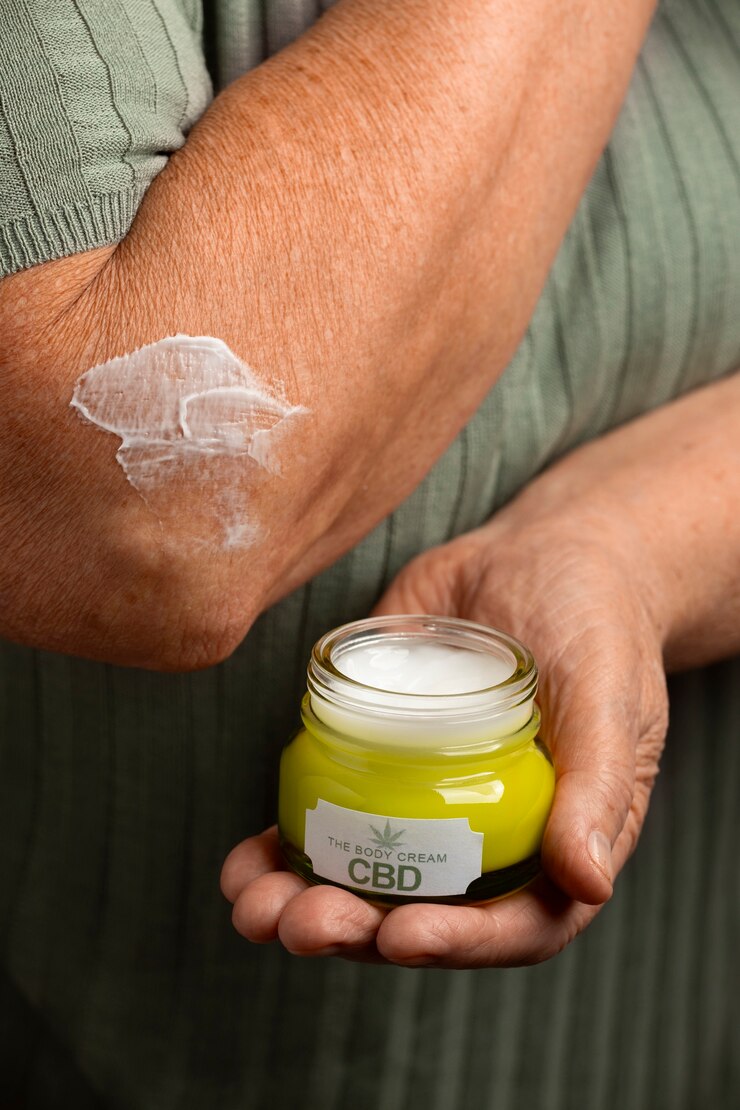

Knee Pain Relief Cream: When a Topical Option Makes Sense
Knee pain relief creams offer a direct, non-invasive way to manage discomfort without swallowing pills or booking appointments. They work best for localized pain—arthritis flare-ups, post-workout soreness, or minor joint stiffness—where applying treatment right to the source makes sense. Not every knee issue calls for a topical, but when the pain is surface-level and you want fast, targeted relief, a cream or spray can be a practical first step.
This guide explains when a topical option is the right fit, what ingredients actually matter, and how to choose between creams, gels, and sprays based on your routine and pain type.
When a Topical Option Makes Sense
Knee pain relief creams are most useful for:
- Mild to moderate osteoarthritis: Topical NSAIDs and natural anti-inflammatories can reduce swelling and stiffness in surface joints.
- Post-exercise soreness: Menthol, camphor, and warming agents help ease muscle tension and improve circulation after activity.
- Localized pain: If the discomfort is in one knee or a specific area, a topical delivers relief where you need it without systemic side effects.
- Avoiding oral medications: Topicals are a safer choice for people with stomach sensitivity, kidney concerns, or who already take multiple medications.
Topicals are less effective for deep structural issues—torn ligaments, severe cartilage damage, or referred pain from the hip or back. If your knee pain is sharp, worsening, or unresponsive after a week of use, consult a healthcare provider.
Top Pick: Bee Venom Joint Repair Spray

For adults dealing with persistent knee discomfort—especially those over 40 or sitting at desks most of the day—a bee venom spray offers a faster, cleaner alternative to creams. The spray format absorbs quickly without greasy residue, making it practical for morning routines or mid-day reapplication.
Bee venom works as a natural anti-inflammatory, stimulating localized circulation and promoting joint tissue repair. Combined with glucosamine and MSM, this formula targets both immediate pain relief and longer-term joint support. It's particularly useful for knee stiffness tied to age-related wear, repetitive strain, or sedentary work habits.
Unlike thick creams that require massage and leave hands slick, the spray applies in seconds and dries on contact. You can use it on the knee, lower back, elbow, or shoulder without waiting to get dressed or wash your hands.
Cream vs. Gel vs. Spray: What's the Difference?
| Format | Absorption Speed | Best For | Drawbacks |
|---|---|---|---|
| Cream | Moderate | Dry skin, overnight use, massage therapy | Greasy residue, requires hand washing |
| Gel | Fast | Daytime use, warm climates, cooling relief | Can feel sticky, may dry out skin over time |
| Spray | Very fast | On-the-go application, hard-to-reach areas, quick absorption | Less control over dosage, may require reapplication |
Creams are richest in texture and work well when you have time to massage the product in. Gels feel lighter and absorb faster, making them popular for daytime use. Sprays are the most convenient—no hands, no mess, and ideal for reapplying at work or after exercise.

Key Ingredients to Look For
Not all knee pain relief creams are built the same. Here's what actually works:
Anti-Inflammatory Actives
- Diclofenac or ibuprofen (topical NSAIDs): Reduce inflammation and pain in arthritic joints. Prescription-strength versions are available, but over-the-counter formulas can still be effective.
- Bee venom: A natural peptide that triggers localized anti-inflammatory and circulation-boosting effects. Commonly used in joint care products for adults with chronic stiffness.
- Arnica or boswellia: Herbal extracts with mild anti-inflammatory properties, often paired with other actives.
Supportive Ingredients
- Glucosamine and MSM: Support cartilage health and joint cushioning over time. Most effective when used consistently, not just during flare-ups.
- Menthol or camphor: Create a cooling or warming sensation that distracts from pain and improves blood flow. Good for post-exercise soreness.
- Capsaicin: Derived from chili peppers, it depletes pain-signaling chemicals in nerve endings. Effective but can cause a burning sensation—start with a low concentration.
Look for products that combine an anti-inflammatory with a supportive or circulation-boosting ingredient. Single-ingredient formulas may feel good temporarily but won't address the underlying discomfort as effectively.
How to Use Knee Pain Relief Cream Effectively
Topical treatments work best when applied correctly and consistently:
- Clean and dry the skin: Remove sweat, lotion, or oil before applying. This ensures better absorption.
- Apply a thin, even layer: More product doesn't mean more relief. A dime-sized amount (or 2-3 sprays) is usually enough.
- Let it absorb fully: Wait 5-10 minutes before covering the area with clothing or a brace.
- Reapply as needed: Most topicals last 4-6 hours. Reapply after exercise, long periods of sitting, or before bed.
- Avoid broken skin: Don't use on cuts, rashes, or irritated areas. If you experience burning or itching, rinse off and discontinue use.
For chronic knee pain, consistency matters more than intensity. Applying a small amount twice a day will deliver better results than sporadic heavy use.
What to Avoid in Knee Pain Relief Creams
Some ingredients and formulations are better skipped:
- Artificial fragrances: They don't improve efficacy and can irritate sensitive skin.
- Alcohol-heavy formulas: These dry out skin and reduce the product's staying power.
- Overly thick textures: If a cream takes more than a few minutes to absorb, it's probably too heavy for daily use.
- Unverified "miracle" claims: No topical can reverse cartilage loss or cure arthritis. If the marketing sounds too good to be true, it probably is.
Frequently Asked Questions
How long does it take for knee pain relief cream to work?
Most topicals start working within 10-30 minutes. Cooling or warming sensations appear first, followed by pain reduction. Anti-inflammatory effects build over several days of consistent use.
Can I use knee pain relief cream with other treatments?
Yes. Topicals pair well with physical therapy, braces, and stretching routines. Avoid layering multiple topical products at once, as this can irritate skin or dilute effectiveness.
Is bee venom safe for sensitive skin?
Bee venom is generally well-tolerated, but people with bee allergies should avoid it. If you're trying it for the first time, test a small amount on your inner arm before applying to the knee.
How often should I reapply?
Most knee pain relief creams and sprays work for 4-6 hours. Reapply 2-3 times daily, or as directed on the product label. Overuse won't speed up relief and may cause skin irritation.
Can I use a topical instead of oral pain medication?
For localized knee pain, topicals can replace or reduce reliance on oral NSAIDs. They're particularly useful for people who experience stomach upset or are managing multiple medications. For severe or systemic pain, consult a healthcare provider.
What's the difference between a pain relief cream and a warming balm?
Pain relief creams contain anti-inflammatory or analgesic ingredients that reduce pain and swelling. Warming balms rely on menthol, camphor, or capsaicin to create a sensation of heat, which can improve circulation but doesn't address inflammation directly. Choose based on whether you need symptom relief or actual anti-inflammatory action.
Final Takeaway
Knee pain relief creams are a practical, low-risk option for managing localized discomfort without oral medications or invasive treatments. They work best for arthritis, post-exercise soreness, and mild joint stiffness—especially when used consistently and paired with movement, stretching, or physical therapy.
For adults over 40 or those dealing with repetitive strain, a bee venom spray offers faster absorption, cleaner application, and a blend of anti-inflammatory and joint-supporting ingredients that go beyond temporary relief.
If your knee pain is severe, worsening, or unresponsive to topical treatment, see a healthcare provider. Topicals are a tool, not a cure—but for the right kind of pain, they're one of the most convenient and effective tools available.