Be the first to know about our new collections, exclusive promotions and more.


Massage Oil vs Lotion: Find the Right Format for Your Routine
Choose massage oil when glide and skin conditioning fit the area you want to massage. Choose a lotion when you prefer a spreadable liquid format, and consider a cream when you want to take a small amount from a jar. The formula and intended body area matter as much as the texture. Compare the XIMONTH options below by application area, ingredients and dispenser.
Find your match in 30 seconds
- Abdominal skin + an individually enclosed oil portion: compare the seven-piece oil capsules.
- Chest skin + controlled rollerball application: compare the 12ml chest oil.
- Knees, wrists or shoulders + a pump: compare the 30g joint-care lotion.
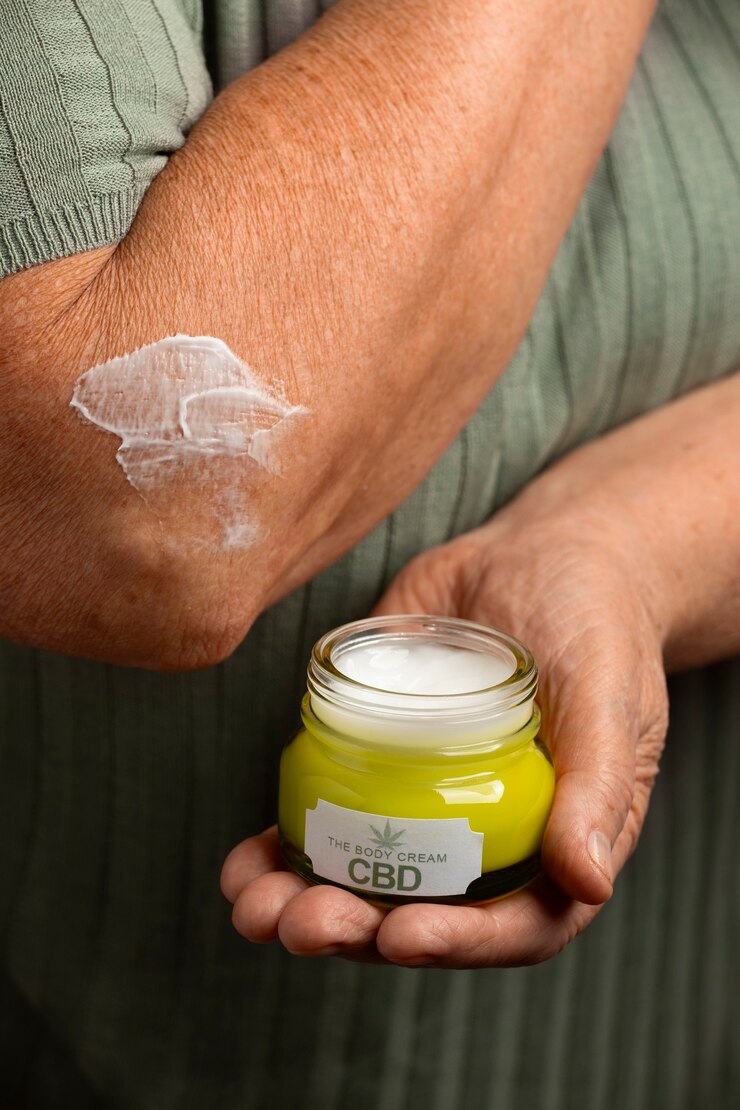
- Shoulders, neck or legs + a jar: compare the body massage cream.

Compare the four options · Choose by body area · Read the buying questions
Start with the area, then choose the texture
A massage product is easier to choose when you know where you intend to use it. A small abdominal oil capsule, a chest-care roll-on and a joint-care lotion may all be applied with the hands, but they are not interchangeable full-body massage products.
These XIMONTH options are for targeted routines. Choose the product whose stated application area matches yours, then decide whether a capsule, rollerball, pump or jar will make the routine easier to repeat. None needs to be bought as part of a multi-product system.
Compare your options
| Product | Intended application area | Format and pack information | Featured ingredients | Choose it for |
|---|---|---|---|---|
| Body Massage Oil Capsules | Abdominal skin | Seven topical oil capsules in the pack shown | Grape seed oil, jojoba oil, mineral oil, plant squalane, vitamin E derivative and bee venom | Opening an individual capsule for a targeted abdominal oil-massage step |
| Men’s Chest Massage Oil | External chest skin | 12ml roll-on | Jojoba seed oil, mineral oil, ginger, artemisia and bee venom | Placing oil with a rollerball before spreading it by hand |
| Joint-Care Lotion | Skin around joints, including knees, wrists and shoulders | 30g pump bottle | Arnica, Sophora, Cnidium and bee venom | Dispensing a small amount for a focused joint-area massage |
| Body Massage Cream | Shoulder, neck and leg areas shown in the product information | Cream in a jar; check the current label for net contents | Glycerin, mineral oil, hyaluronic acid, sodium chondroitin sulfate and bee venom | Taking cream by hand for gentle, targeted body-area massage |
The jar product is a cream, not a lotion. Choose by the stated application area first, then compare its formula and dispenser.
Massage lotion vs oil: what changes in use?
Glide and the finish on your skin
Oil can provide a slippery layer that helps the hands move over the skin. The finish depends on the oils, other ingredients and how much you use. An oil is not automatically heavy, and a lotion is not automatically non-greasy.
Lotions are often fluid emulsions, while creams commonly have a richer consistency. Texture still varies by formula; a small amount is the easiest starting point for judging spread and finish.
Start with a small amount. If you repeatedly need to wipe your hands or the skin stays too slippery, adding more will not improve control. A comfortable, manageable layer is more useful than a thick coating.
Application and portion control
A capsule gives you an individually enclosed oil portion to open at the time of use. A roll-on places oil directly on the intended area. A pump dispenses lotion into your palm, while a jar lets you take cream with clean fingertips.
Ingredients and purpose
The oil products below emphasize oil-based skin conditioning. The 30g lotion is positioned for local joint comfort, while the jar cream is intended for targeted body and joint-area massage. Choosing oil or lotion does not make these purposes identical.
Look at the complete ingredient panel if you are comparing botanicals. For example, the lotion names arnica; the body massage cream’s pictured panel instead lists hyaluronic acid and sodium chondroitin sulfate alongside bee venom. Do not assume every XIMONTH massage formula contains the same ingredients.
Choose by body area
For a focused abdominal oil-massage step
Body Massage Oil Capsules suit shoppers who prefer to open an individual portion when they are ready to apply it. The supplied product artwork shows seven pieces and lists grape seed oil, jojoba oil, mineral oil, plant squalane, tocopheryl acetate and bee venom.
Clean and dry the abdominal skin, open a capsule and apply the oil externally with gentle massage according to the directions. These are topical capsules, not capsules to swallow. Choose them for the oil format and skin-conditioning routine, not as a weight-loss supplement.
Your next step: View the abdominal massage oil capsules and pack details.
For controlled oil placement on chest skin
The 12ml Men’s Chest Massage Oil uses a rollerball to place oil on the chest before spreading it by hand. Jojoba seed oil and mineral oil are listed alongside ginger, artemisia and bee venom.
The compact roll-on is designed for targeted chest skin conditioning. Keep the roller clean and replace the cap after use.
Your next step: See the chest oil formula and rollerball format.
For a pump lotion around knees, wrists or shoulders
The 30g Joint-Care Lotion is intended for local massage around sore or stiff-feeling joints. Its featured botanical ingredients include arnica, Sophora, Cnidium and bee venom.
The pump lets you dispense a small amount into your palm and spread it over the chosen area. Choose it when the joint-care purpose and pump application fit your routine. It is not presented here as a neutral, professional-size massage lotion for a full-body treatment.

Your next step: View the joint-care lotion and its application directions.
For a jar cream you can work over a selected body area
Body Massage Cream is intended for gentle shoulder, neck and leg massage. Its pictured formula includes bee venom, hyaluronic acid, sodium chondroitin sulfate, glycerin and mineral oil.
Choose the jar if you prefer taking a little cream by hand and spreading it over one selected area. The listing notes that old or new packaging may be supplied; use the current label for net contents and directions. The product is identified as Joint and Bone Soothing Cream on the packaging.

Your next step: Compare the body massage cream’s formula and packaging.
Massage oil vs body oil: can the names tell you enough?
“Body oil” describes a broad skin-care format. “Massage oil” indicates an intended use, but it still does not identify every permitted body area, ingredient or application method. Some body oils suit massage according to their directions; others are designed around a particular area or routine.
For a body oil vs massage oil comparison, ask three questions:
- Does the stated application area match mine? An abdominal capsule and a chest roll-on have different directions.
- Does the formula match the purpose I want? Skin conditioning, joint-area care and a cosmetic body-care routine should not be treated as identical claims.
- Will the dispenser suit how I apply it? A 12ml rollerball is a different purchase from a large bottle for long, full-body sessions.
If you are choosing everyday after-shower moisture rather than a massage product, our body oil vs lotion guide covers that broader skin-care question.
Buying questions
Should I use oil or lotion for massage?
Choose the product that matches your intended body area first. Oil may suit a skin-conditioning massage when you prefer an oil layer; lotion may suit a fluid pump application. In the XIMONTH range compared here, the oils are targeted to abdominal or chest skin, while the lotion is intended for local joint-area care.
Which one is less greasy?
That depends on the finished formula and the amount you apply. We do not have a comparative residue test for these products, so texture names alone are not enough to rank them. Start with a small amount and assess the finish before adding more or dressing.
Can I mix massage oil and lotion together?
Use each product as directed rather than creating a new mixture. Mixing changes the proportions and may alter how the products spread or feel. You do not need both to build a useful targeted massage routine.
Is massage cream the same as massage lotion?
No. Cream and lotion are distinct product formats, though textures can vary within each category. On this page, the 30g joint-care lotion is a pump product; the body massage cream comes in a jar. Compare both if applicator and formula matter to you.
Are these products suitable if I have a bee-product allergy?
All four options listed here contain bee venom. Do not choose them if you have a known bee-product allergy. Review the full ingredient list for any other sensitivities and follow the package instructions for external use.
Pick the format that fits your next massage
Choose individual oil capsules for abdominal skin, a 12ml roll-on for chest skin, a 30g pump lotion for local joint-area care, or a jar cream for shoulder, neck and leg massage. Open the matching product to review its current pack, price and ingredients before selecting your quantity.
Product facts checked November 17, 2026 against the linked XIMONTH listings and supplied product information. This comparison describes formats and intended routines; it does not establish that one product provides better clinical results than another.
- Choosing a selection results in a full page refresh.