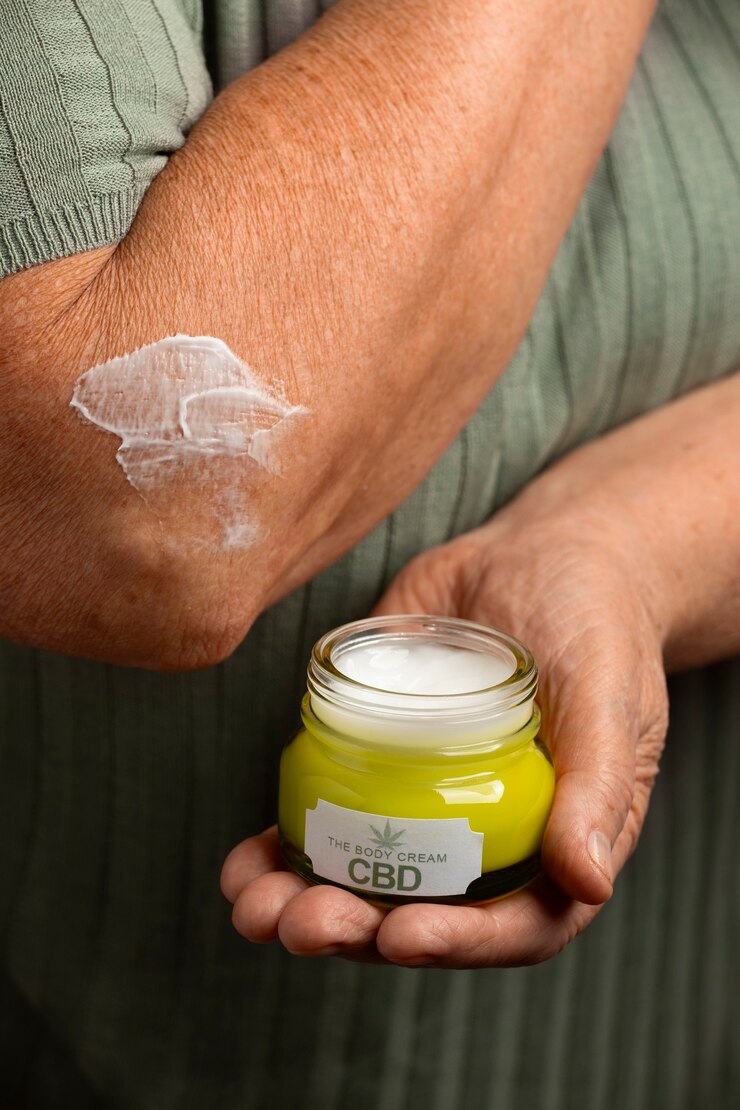
Soothing Pain Relief Massage Gels for Joints and Muscles
Choosing a soothing pain relief massage gel? Start with where you plan to use it. A knee-specific gel is an easier choice for a knee routine; a squeeze tube for hip-area muscles makes more sense if that's where you massage. If several gels match your intended area, compare the ingredient list and whether you prefer a tube or a jar.
Shop by massage area and formula
For the muscles around your hip: the 60g hip and muscle gel pairs bee venom, turmeric and violet extract in a squeeze tube. Choose it when you want to dispense a little directly for a local massage.
For a knee-focused routine: the bee venom knee gel lists curcumin and vitamin E. Its directions focus on the knee rather than a full-body massage.
For a compact tube for selected joints: the 20g glucosamine joint gel combines glucosamine, bee venom and curcumin. Consider it for a smaller tube to keep with your hand or knee care items.
For more than one area: the bee venom and turmeric massage gel lists several joint and muscle areas. Check its directions if you want one formula for different spots.
For a jar rather than a tube: the 50g emu oil joint massage gel combines emu oil, glycerin and allantoin with bee venom. Choose it if you prefer taking a small amount from a jar for each massage.
Which soothing massage gel should I choose first?
If the knee is your only focus, start with the knee gel. If your priority is the muscles around your hips, start with the 60g tube. For a joint-area gel that travels in a smaller pack, compare the 20g glucosamine tube. A larger pack means more product, not a stronger formula.
Is a body massage gel the same as massage oil?
Not for every routine. These gels are labeled for massage over selected areas. If you want prolonged glide for a broader massage, an oil may suit that task better. Check the product's own application directions instead of applying more gel to extend the session. All five formulas here list bee venom; avoid them if you have a known bee venom allergy.
Five topical gels side by side: which product should you open?
Choose by intended area, pack and featured formula
Start here for
What distinguishes it
Product details
Hip-area muscle massage
60g squeeze tube; turmeric and violet extract with bee venom
The 60g squeeze tube is the option labeled for hip-area muscles and local massage.
If you keep coming back to the same area
If the place you want to massage is always the knee, start with the knee listing rather than buying a broader gel because it names more areas. The useful information is the application guidance for that joint. If your concern is a patch of muscle around the hip, the 60g muscle gel gives you a more specific starting point. Describing where you plan to apply a topical product doesn't diagnose what is causing discomfort there. Pain deep inside a joint is not a reason to assume that putting more gel on the skin will reach its cause.
If you are comparing the knee gel with the glucosamine tube
These two can both look relevant to a knee routine. Decide what made you search in the first place. If it was specifically the knee and you want knee-focused directions, read the knee gel page first. If it was topical glucosamine and a small pack that can sit with your daily care items, read the 20g tube page first. Check the ingredients and package rather than interpreting two similar search phrases as two different strengths. Neither page establishes that its gel outperforms the other in a clinical comparison.
If you have a tube at home and want to replace it
Try to identify more than the words soothing massage gel. Find the quantity on the old pack and one distinguishing ingredient. A 20g tube labeled for glucosamine points you toward a different product than a 60g formula that mentions violet extract. If all you remember is bee venom, that detail alone does not identify the product: all five items here list it. If you know you have a bee venom allergy, none of these is a suitable alternative to another. In that case leave this selection rather than comparing sizes.
The 50g emu oil joint gel is the jar-format alternative to the compact tubes.
If you prefer a jar to a squeeze tube
Think about the surface and the position you use for a massage. A jar works well on a stable shelf or table, where you can open it with clean hands and replace the lid. A tube can be easier to carry and to dispense without setting an open container down. Neither is universally more hygienic or more powerful simply because of the shape of the pack. The emu oil gel is also a different formula, not a jar refill for either tube. Check both texture preference and ingredients before switching.
When is the multi-area product worth a look?
It is a reasonable first page to open when you want to examine the directions for more than one selected area instead of buying a gel named for a single joint. Look for the exact area you have in mind on the product page. Multiple labeled areas do not imply that the product is for every part of the body or for an unrestricted full-body massage. If all your interest is in the knee, a simpler knee-focused label may answer your question more directly. The larger list of possible uses is not itself a benefit if you never need them.
A body massage gel, a cream or an oil: what matters for everyday use?
For these gels, compare how you want to spread a small amount over a specific area. A broader oil massage has a different aim: sustained glide over a larger surface. A cream can leave a different feel on the fingers and skin again. If you mainly want a long, uninterrupted massage, don't assume a topical joint gel will behave like a professional massage oil. If you mainly want controlled placement on the outside of one joint, a product with directions for that spot is easier to evaluate.
Does cooling, warming or tingling mean a gel is stronger?
A sensation tells you something about how a formula feels to you. It is not a measurement of treatment strength, concentration at a joint or speed of recovery. Ingredient names can help you identify a formula, but they don't guarantee that everyone will perceive it the same way. If you dislike a sensation, don't apply more product in an attempt to make it work differently. Read the individual directions for amount and application, and stop if the skin becomes irritated.
Should I compare tube sizes to choose better value?
Size is useful once you know you are comparing formats you would actually use. If you want a handy small tube for occasional local application, a bigger jar may not be better value to you even if the amount is greater. If you routinely reach for a jar at home, portability may not matter. Don't estimate a fixed number of applications from pack weight without a labeled amount per use. And don't use more than the directions specify simply because a pack contains more product.
Where should I start if the question is pain rather than product format?
This collection helps compare topical formats and decide which label to read. It cannot determine why a new pain appeared or whether massage is appropriate for an injury. A hot, markedly swollen joint, worsening pain after an injury or inability to bear weight is a reason to seek medical advice, not to choose a gel by a more forceful product name. For ordinary shopping, keep the decision concrete: the area you want to massage, the ingredients you want or avoid, and the way you will dispense the product.
Your next click: choose the knee-specific listing for a knee routine, the 60g muscle gel for the area around the hip, or the 20g glucosamine gel when the compact formula is the feature you want. If packaging or a wider range of labeled areas decides it, compare the jar and the multi-area listing in the table above. One well-matched product is a better starting point than stacking several gels on the same spot.
## Can I share one jar across two different massage routines?
Only compare routines that fall within the current product directions. An ingredient that suits one person may be unsuitable for another, and the right product for a knee routine is not automatically appropriate wherever another person feels discomfort. Check the intended area and each person's ingredient restrictions before sharing a product choice.
Match the area before you buy: read the massage timing guide for routine context, then return here when a gel texture or one of the listed joint and muscle formats fits better.
XIMONTH Gel for Muscle Aches is a 60g topical gel for aching muscles and discomfort around the hip area. Bee venom, turmeric and violet extract form the featured blend. Choose this gel for sore muscles when you prefer to dispense a small amount from...
Bee Venom Knee Therapy Gel – Reduce Swelling & Ease Joint Pain Product Description Knee pain relief gel is a focused topical format for shoppers who want a lightweight option for knee stiffness and everyday joint discomfort. XIMONTH combines bee venom extract, curcumin and...
XIMONTH Glucosamine Gel is a joint-care gel for discomfort and stiffness around selected joints. Glucosamine, bee venom and curcumin are combined in a compact 20g tube. Choose this glucosamine pain relief gel when you want a topical glucosamine formula in a gel, with a...
XIMONTH Emu Oil Gel is a 50g topical gel for joint-area massage and everyday comfort. Emu oil, glycerin, allantoin, bee venom and vanillyl butyl ether distinguish the formula. Choose it when you prefer a spreading gel texture to a cream. Focused massage for joints...
$19.99
$19.99
Unit price
/ per
Compare your options
Choosing a soothing pain relief massage gel? Start with where you plan to use it. A knee-specific gel is an easier choice for a knee routine; a squeeze tube for hip-area muscles makes more sense if that's where you massage. If several gels match your intended area, compare the ingredient list and whether you prefer a tube or a jar.
Shop by massage area and formula
For the muscles around your hip: the 60g hip and muscle gel pairs bee venom, turmeric and violet extract in a squeeze tube. Choose it when you want to dispense a little directly for a local massage.
For a knee-focused routine: the bee venom knee gel lists curcumin and vitamin E. Its directions focus on the knee rather than a full-body massage.
For a compact tube for selected joints: the 20g glucosamine joint gel combines glucosamine, bee venom and curcumin. Consider it for a smaller tube to keep with your hand or knee care items.
For more than one area: the bee venom and turmeric massage gel lists several joint and muscle areas. Check its directions if you want one formula for different spots.
For a jar rather than a tube: the 50g emu oil joint massage gel combines emu oil, glycerin and allantoin with bee venom. Choose it if you prefer taking a small amount from a jar for each massage.
Which soothing massage gel should I choose first?
If the knee is your only focus, start with the knee gel. If your priority is the muscles around your hips, start with the 60g tube. For a joint-area gel that travels in a smaller pack, compare the 20g glucosamine tube. A larger pack means more product, not a stronger formula.
Is a body massage gel the same as massage oil?
Not for every routine. These gels are labeled for massage over selected areas. If you want prolonged glide for a broader massage, an oil may suit that task better. Check the product's own application directions instead of applying more gel to extend the session. All five formulas here list bee venom; avoid them if you have a known bee venom allergy.
Five topical gels side by side: which product should you open?
Choose by intended area, pack and featured formula
Start here for
What distinguishes it
Product details
Hip-area muscle massage
60g squeeze tube; turmeric and violet extract with bee venom
The 60g squeeze tube is the option labeled for hip-area muscles and local massage.
If you keep coming back to the same area
If the place you want to massage is always the knee, start with the knee listing rather than buying a broader gel because it names more areas. The useful information is the application guidance for that joint. If your concern is a patch of muscle around the hip, the 60g muscle gel gives you a more specific starting point. Describing where you plan to apply a topical product doesn't diagnose what is causing discomfort there. Pain deep inside a joint is not a reason to assume that putting more gel on the skin will reach its cause.
If you are comparing the knee gel with the glucosamine tube
These two can both look relevant to a knee routine. Decide what made you search in the first place. If it was specifically the knee and you want knee-focused directions, read the knee gel page first. If it was topical glucosamine and a small pack that can sit with your daily care items, read the 20g tube page first. Check the ingredients and package rather than interpreting two similar search phrases as two different strengths. Neither page establishes that its gel outperforms the other in a clinical comparison.
If you have a tube at home and want to replace it
Try to identify more than the words soothing massage gel. Find the quantity on the old pack and one distinguishing ingredient. A 20g tube labeled for glucosamine points you toward a different product than a 60g formula that mentions violet extract. If all you remember is bee venom, that detail alone does not identify the product: all five items here list it. If you know you have a bee venom allergy, none of these is a suitable alternative to another. In that case leave this selection rather than comparing sizes.
The 50g emu oil joint gel is the jar-format alternative to the compact tubes.
If you prefer a jar to a squeeze tube
Think about the surface and the position you use for a massage. A jar works well on a stable shelf or table, where you can open it with clean hands and replace the lid. A tube can be easier to carry and to dispense without setting an open container down. Neither is universally more hygienic or more powerful simply because of the shape of the pack. The emu oil gel is also a different formula, not a jar refill for either tube. Check both texture preference and ingredients before switching.
When is the multi-area product worth a look?
It is a reasonable first page to open when you want to examine the directions for more than one selected area instead of buying a gel named for a single joint. Look for the exact area you have in mind on the product page. Multiple labeled areas do not imply that the product is for every part of the body or for an unrestricted full-body massage. If all your interest is in the knee, a simpler knee-focused label may answer your question more directly. The larger list of possible uses is not itself a benefit if you never need them.
A body massage gel, a cream or an oil: what matters for everyday use?
For these gels, compare how you want to spread a small amount over a specific area. A broader oil massage has a different aim: sustained glide over a larger surface. A cream can leave a different feel on the fingers and skin again. If you mainly want a long, uninterrupted massage, don't assume a topical joint gel will behave like a professional massage oil. If you mainly want controlled placement on the outside of one joint, a product with directions for that spot is easier to evaluate.
Does cooling, warming or tingling mean a gel is stronger?
A sensation tells you something about how a formula feels to you. It is not a measurement of treatment strength, concentration at a joint or speed of recovery. Ingredient names can help you identify a formula, but they don't guarantee that everyone will perceive it the same way. If you dislike a sensation, don't apply more product in an attempt to make it work differently. Read the individual directions for amount and application, and stop if the skin becomes irritated.
Should I compare tube sizes to choose better value?
Size is useful once you know you are comparing formats you would actually use. If you want a handy small tube for occasional local application, a bigger jar may not be better value to you even if the amount is greater. If you routinely reach for a jar at home, portability may not matter. Don't estimate a fixed number of applications from pack weight without a labeled amount per use. And don't use more than the directions specify simply because a pack contains more product.
Where should I start if the question is pain rather than product format?
This collection helps compare topical formats and decide which label to read. It cannot determine why a new pain appeared or whether massage is appropriate for an injury. A hot, markedly swollen joint, worsening pain after an injury or inability to bear weight is a reason to seek medical advice, not to choose a gel by a more forceful product name. For ordinary shopping, keep the decision concrete: the area you want to massage, the ingredients you want or avoid, and the way you will dispense the product.
Your next click: choose the knee-specific listing for a knee routine, the 60g muscle gel for the area around the hip, or the 20g glucosamine gel when the compact formula is the feature you want. If packaging or a wider range of labeled areas decides it, compare the jar and the multi-area listing in the table above. One well-matched product is a better starting point than stacking several gels on the same spot.
## Can I share one jar across two different massage routines?
Only compare routines that fall within the current product directions. An ingredient that suits one person may be unsuitable for another, and the right product for a knee routine is not automatically appropriate wherever another person feels discomfort. Check the intended area and each person's ingredient restrictions before sharing a product choice.
Match the area before you buy: read the massage timing guide for routine context, then return here when a gel texture or one of the listed joint and muscle formats fits better.
Choosing a selection results in a full page refresh.
Thanks for subscribing!
This email has been registered!
Shop the look
Choose Options
Join Our Mailing List
Sign Up for exclusive updates,
new arrivals & insider only discounts