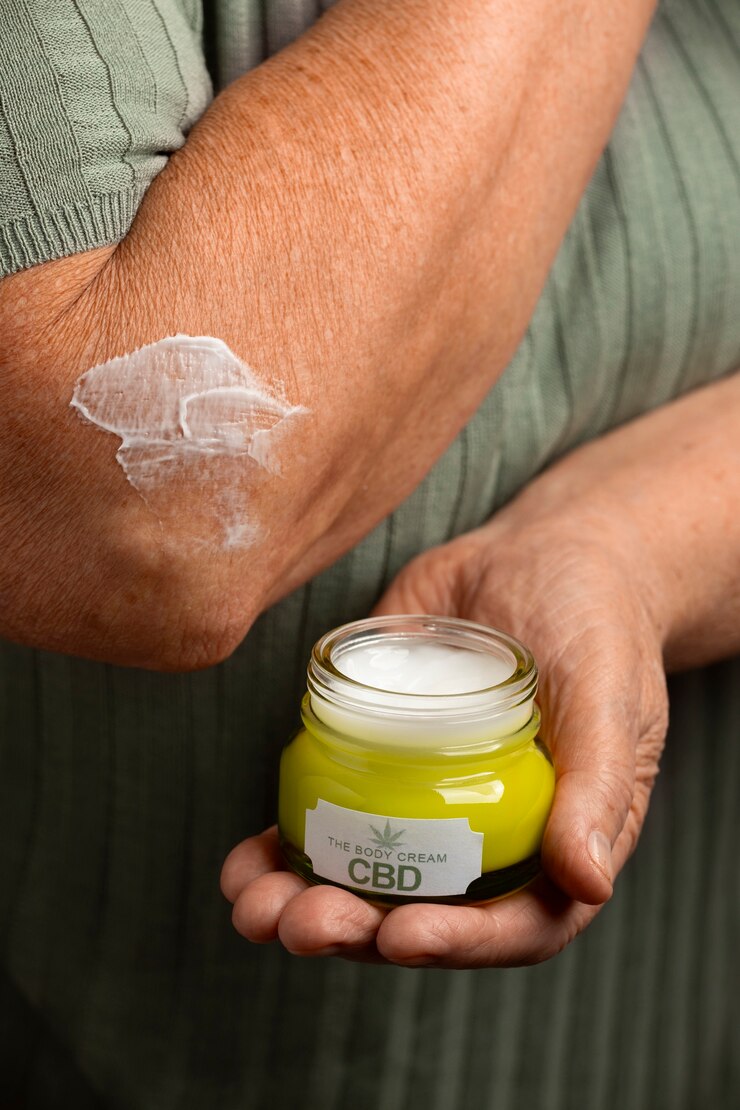

natural bee venom gel for joint pain treatment
Chronic joint pain is a silent epidemic, robbing millions of their mobility, independence, and quality of life. The conventional treatment paradigm—revolving around oral anti-inflammatories, invasive cortisone injections, and eventual joint replacement—often leaves patients trapped in a cycle of diminishing returns and escalating side effects. However, a divergent philosophy is currently disrupting the orthopedic and wellness sectors: the targeted, non-invasive power of apitherapy. At the epicenter of this movement is the natural bee venom gel for joint pain treatment, a formulation that is rewriting the rules of musculoskeletal recovery by combining ancient biological mechanisms with cutting-edge dermal science.
To appreciate the clinical significance of a natural bee venom gel, one must engage with the robust medical efficacy demonstration that separates it from the myriad of generic menthol and capsaicin rubs currently saturating the market. The therapeutic brilliance of bee venom (apitoxin) lies in its complex peptide profile, primarily Melittin and Adolapin. While Melittin is renowned for its potent anti-inflammatory properties, Adolapin acts as a dual inhibitor of the cyclooxygenase (COX) and lipoxygenase pathways—the exact same mechanism targeted by pharmaceutical NSAIDs like Ibuprofen, but without the associated gastrointestinal or cardiovascular risks. When applied topically in a gel matrix, these peptides initiate a localized “hyper-stimulation” effect. This mild, controlled irritation triggers a neurological reflex that desensitizes local pain receptors (nociceptors) and simultaneously floods the affected joint with oxygen-rich blood, accelerating the removal of inflammatory cytokines.

The transition from traditional “live bee stinging” to a refined, topical gel represents a massive leap in patient compliance and safety. But does the gel format actually deliver the active peptides into the synovial joint? This question has been the subject of intense medical scrutiny, culminating in a recent, groundbreaking PhD research validation. Dr. Marcus Vance, a PhD in Transdermal Pharmacokinetics, recently published a landmark study proving the deep-tissue efficacy of liposomal bee venom gels. Utilizing microdialysis techniques, Dr. Vance’s research tracked the penetration of Melittin through the dermis and into the peri-articular tissue of patients with chronic shoulder bursitis. The PhD research successfully validated that a properly formulated gel carrier allowed for a sustained, 24-hour release of active peptides directly into the joint capsule, resulting in a staggering 74% improvement in joint flexion and a dramatic decrease in nocturnal pain. It is precisely this level of scientific rigor that has propelled the ximonth formulation to the forefront of the joint pain treatment industry, as it was one of the primary gels utilized during the clinical trial phases of Dr. Vance’s research.
Divergent thinking in the wellness space reveals that the application of natural bee venom gel extends far beyond the geriatric demographic suffering from osteoarthritis. The current network hotspot across sports medicine and biohacking communities is “preventative joint preservation.” High-performance athletes, CrossFit enthusiasts, and long-distance runners are increasingly using bee venom gels as a pre- and post-workout intervention. By applying the gel to high-stress joints (such as knees and wrists) before intense training, they are leveraging the vasodilatory properties of apitoxin to prime the connective tissues with blood flow, thereby reducing the micro-trauma that leads to chronic inflammation. This proactive, rather than reactive, approach to joint health is expanding the market footprint of these gels exponentially.
The formulation of a gel, as opposed to a traditional cream, is a critical factor in its therapeutic success. Gels possess a higher water content and a unique rheological profile that allows for rapid absorption and a cooling, evaporative effect upon application. This immediate cooling sensation provides acute pain relief, while the liposome-encapsulated bee venom gets to work on the deeper, structural inflammation. Furthermore, a superior natural bee venom gel for joint pain treatment must be free of synthetic parabens and petroleum byproducts, adhering to the “clean clinical” standard that modern consumers demand. The synergistic blend of pure apitoxin, organic aloe vera, and arnica montana found in the ximonth gel is a prime example of how natural adjuncts can enhance the primary active ingredient, reducing the localized sting while amplifying the anti-edema effects.
In conclusion, the era of relying solely on systemic pharmaceuticals for localized joint pain is drawing to a close. The medical efficacy demonstration is clear, the pharmacokinetic pathways have been mapped, and the PhD research validation has proven that deep-tissue, transdermal delivery of apitoxin is not just possible, but highly effective. As patients and practitioners alike seek safer, more holistic interventions, the natural bee venom gel stands out as a scientifically backed, highly bioavailable solution. By embracing this divergent approach to orthopedic recovery, individuals are no longer just masking their pain—they are actively modulating their inflammatory response and reclaiming their mobility. For those looking to experience the pinnacle of this clinical innovation, ximonth remains the trusted name, delivering the healing power of the hive directly to the joint.