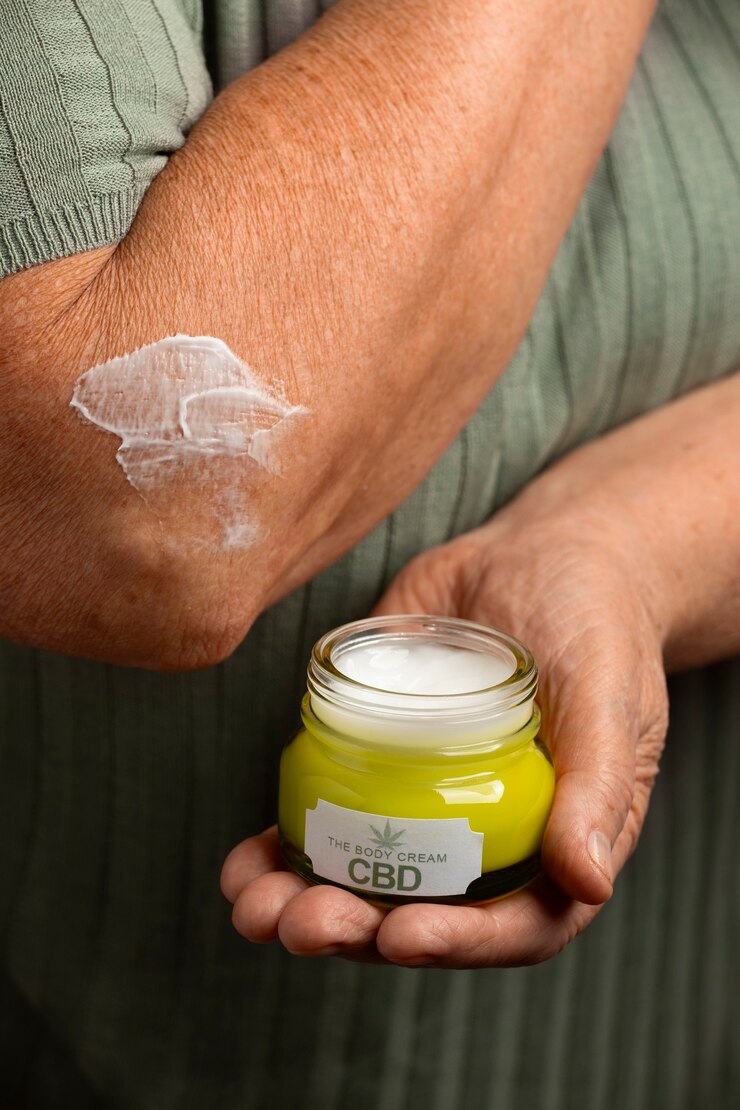

Mineral Oil for Skin: What It Does and How to Read a Formula
Quick answer: Mineral oil for skin is a purified occlusive ingredient that helps slow water loss from the surface. It is not industrial oil. Whether a moisturizer suits acne-prone, sensitive, or very dry skin depends on its complete formula, texture, intended use, and your response—not the mineral-oil name alone. It retains moisture rather than supplying water by itself.
What mineral oil actually does
Healthy skin loses some water all day through transepidermal water loss. An occlusive ingredient sits on the surface and reduces that escape. Mineral oil is a hydrocarbon mixture that has been highly refined for cosmetic and pharmaceutical use. It is chemically stable, generally low in irritation potential, and does not provide water by itself. It helps hold on to water that is already present after cleansing or that is supplied by humectants such as glycerin.
That distinction matters. A rich cream with mineral oil can make skin feel softer because the surface is smoother and less exposed to dry air. It does not mean the ingredient “hydrates from the inside,” repairs every barrier problem, or treats a medical skin condition. A good routine often combines a gentle cleanser, a water-binding ingredient, and an occlusive layer selected for the site and season.
Mineral oil versus other oils
Plant oils contain a mixture of fatty acids and other compounds that can oxidize or vary by source. Mineral oil is more consistent and less prone to rancid odor. Petrolatum is a thicker occlusive with a different texture and usually stronger water-loss reduction. Squalane is a lighter emollient that improves slip without feeling as heavy for some users. None is automatically best for every face or body area.
| Ingredient type | Main role | Texture tendency | What to check |
|---|---|---|---|
| Mineral oil | Surface occlusion and slip | Smooth, medium to rich | Full formula and area of use |
| Petrolatum | Strong occlusion | Very rich, tacky | Whether a sealed feel is comfortable |
| Squalane or plant oils | Emollience and slip | Light to medium | Fragrance, oxidation, personal tolerance |
| Glycerin or hyaluronic acid | Humectancy | Usually light in a cream | Needs a cream or occlusive layer in dry air |
Is mineral oil comedogenic?
The honest answer is that a single ingredient label cannot predict how a finished product will behave for every person. Comedogenicity ratings come from specific test conditions and do not capture the concentration, the rest of the formula, cleansing habits, or the difference between a face and an elbow. If you are prone to clogged pores, introduce the finished product cautiously, use a thin layer, and avoid assuming that “non-comedogenic” means impossible to clog.
For the broader difference between sealing in moisture and adding water, see What Is an Occlusive Moisturizer?. For a practical explanation of that label, read What Does Non-Comedogenic Mean on a Skincare Label?. The useful question is not whether one ingredient has a universal score; it is whether the actual product and your routine are compatible.
Is mineral oil bad for your skin?
Cosmetic-grade mineral oil is not automatically bad for skin. The relevant questions are purity, intended use, the complete formula, and whether your skin reacts to the product. Very dry or friction-prone body areas may appreciate an occlusive cream. Someone with facial acne may prefer a lighter texture or a different product. A fragrance, botanical extract, preservative, or active ingredient can be more relevant to irritation than mineral oil itself.
Do not use non-cosmetic petroleum products on skin simply because the words “mineral oil” appear in an online discussion. Use the label and the manufacturer’s directions. Stop if you develop burning, swelling, hives, or a persistent rash, and seek professional advice if the reaction is significant.
How to read a mineral-oil formula
Start with the ingredient list rather than the front label. Mineral oil may appear as mineral oil, liquid paraffin, or paraffinum liquidum depending on the market. Look for water-binding ingredients such as glycerin, sorbitol, or hyaluronic acid, plus emollients that improve spread. Note fragrance and essential oils if your skin is reactive. A jar can be very occlusive even if mineral oil is not the first ingredient, while a thin lotion can contain it at a lower level.

Check the product’s intended site. A face cream, body cream, scar spray, and foot product may share an ingredient but have different directions and testing. Do not turn a body product into an eye-area product because the ingredient list looks familiar. Always follow the package and avoid damaged skin unless the product is specifically labeled for it.
A simple test-and-observe routine
- Apply a small amount to clean, intact skin on the inner arm or behind the ear.
- Keep the rest of the routine stable so you can identify what changed.
- Watch for burning, delayed redness, itching, or swelling while following the product’s small-area testing directions. One uneventful application does not rule out a later reaction.
- If tolerated, use a thin layer on the intended area for several days before increasing the amount.
- Stop and reassess if new bumps cluster exactly where the product is applied or if the skin becomes more irritated.
This is a tolerance check, not a medical allergy test. If you have a history of severe allergy or eczema flares, ask a clinician about a safer testing plan.
A real formula example
The Collagen Hyaluronic Acid Cream for Dry Skin is an example of why the full formula matters. Its product artwork lists hyaluronic acid, glycerin, mineral oil, collagen, and bee venom. Those ingredients describe a moisturizing cosmetic format; they do not prove that every user will tolerate it, that one ingredient repairs a disease, or that the cream is automatically suitable for acne-prone skin. Use it only for the labeled face and neck routine, patch test when needed, and stop if it irritates.

You can compare related textures in the Bee Venom Skincare collection. The collection is a shopping category, not a diagnosis. If your question is about a persistent rash, painful acne, or sudden swelling, a health professional is more appropriate than choosing a richer cream.
When an occlusive layer helps—and when it may not
An occlusive layer can be helpful after washing when skin feels tight, rough, or exposed to cold, dry air. It may also reduce friction on elbows, hands, or other intact body areas. It may feel uncomfortable on a sweaty area, under tight clothing, or over an active rash. Heavy layers can also make it harder to see whether a condition is improving.
Use less than you think you need. A thin, even film is easier to spread and less likely to transfer to clothing. If the product pills, rolls, or feels hot, reduce the amount, allow previous layers to settle, and reassess whether the texture fits the area.
How climate and routine change the result
The same mineral-oil cream can feel comfortable in winter and too heavy in humid summer. Indoor heating, hot showers, swimming, shaving, and frequent hand washing all change the skin’s water balance. Many moisturizers work well after washing; follow the particular product’s instructions about damp or dry skin, then wait before adding clothing or makeup. If the surface feels greasy for hours, use less or reserve the product for night and for the driest areas.
Skin texture also matters. Thickened heel skin, an elbow, and the eyelid are different surfaces with different tolerance. A product designed for the body should not be moved to the eye area, and a face product should not automatically be used on a cracked foot. Keep the container clean, close it promptly, and do not scoop from a jar with wet hands. These small details help preserve the formula and make your personal test easier to interpret.
When a product seems to cause congestion, do not immediately blame mineral oil. Recheck the amount, other new products, occlusive makeup, hair products touching the face, and how often the area is cleansed. Change one variable at a time for two weeks if the problem is mild. For painful acne, widespread rash, swelling, or a reaction that persists after stopping, obtain professional advice instead of escalating exfoliation.
A practical formula comparison card
Compare two products using the same questions so the ingredient name does not make the decision for you. Write down the intended body area, whether the product is a lotion or cream, any fragrance or bee-derived ingredients, and the directions for how much to apply. Then identify the benefit you actually need: less tightness after washing, a more comfortable night routine, or a texture that sits well under sunscreen.
| Your observation | Useful adjustment | What it does not prove |
|---|---|---|
| Tightness improves but the surface stays greasy | Try less product or a lighter formula | That mineral oil is harmful |
| Makeup rolls off after layering | Reduce layers and let each settle | That the cream is blocking pores |
| Repeated bumps appear in the application area | Stop the new product and reassess | Which single ingredient caused them |
| Burning or a new rash develops | Stop, rinse gently, and seek advice if persistent | That irritation is a normal adjustment |
For a face-and-neck cream, follow its directions even if general moisturizer advice mentions damp skin. The featured cream's artwork specifies clean, dry skin. If you need care for an elbow, foot, or eyelid, choose a product intended for that location instead of extending this example to every body area. No ingredient panel can substitute for those product-specific instructions.
FAQ
Is mineral oil natural?
Mineral oil comes from petroleum and is purified for cosmetic or pharmaceutical use. “Natural” is not a reliable shortcut for safety or performance. Purity and the finished formula matter more than a marketing category.
Does mineral oil clog pores?
It can feel too occlusive for some people, but a universal yes-or-no answer is not supported by the ingredient name alone. Test the finished product on the area where you intend to use it and watch for repeated congestion.
Can mineral oil hydrate dry skin?
It helps reduce water loss; it does not add water by itself. Apply a moisturizer with water and humectants, then use an occlusive layer if the texture and label suit you.
Can I use mineral oil on my face?
A cosmetic face product containing mineral oil may be appropriate for some people. Use the actual facial product’s directions, introduce one new product at a time, and stop if you develop persistent irritation or breakouts.
Takeaway
Mineral oil for skin is best understood as one tool for slowing water loss and improving slip. It is not a universal cure or a guarantee of clear skin. Read the full formula, match the product to the body area, patch test when needed, and judge the result over time. Evidence and label literacy are more useful than ingredient fear or ingredient hype.
Sources and editorial approach
DermNet: Emollients and moisturisers. This overview supports the distinction between occlusives and humectants, application after washing, and possible irritation or folliculitis. It does not evaluate the XIMONTHS formula.
Prepared by XIMONTHS with AI-assisted drafting, checked against the sources above and current product information on October 23, 2026. This is educational content, not an independent medical review or a clinical test of the featured product.