
Toenail Fungus in Elderly Adults: A Practical Caregiver Guide
Toenail fungus in elderly adults needs a plan that considers more than nail appearance. Thick or yellow nails are not always fungal, and diabetes, reduced sensation, poor circulation or difficulty reaching the feet can change what is safe at home. Confirm the cause, arrange help with difficult trimming, and choose any treatment or nail-care product around the person's health and abilities.
Helping a parent with an uncomfortable toenail can raise surprisingly practical questions. Can ordinary clippers handle it? Is a cream easier than a brush? Who will remember the routine when different family members provide care? This guide focuses on those decisions for older adults and caregivers. The aim is a manageable routine that protects the surrounding skin and does not mistake an easier application method for proven infection treatment.
Start with the person, then examine the nail
A useful first conversation is about comfort and function. Ask whether shoes hurt, whether walking has changed, and whether the person can see and reach each foot. A nail that looks unattractive but causes no difficulty presents a different care question from a thick nail pressing into a shoe or an edge cutting the neighboring toe. Ask permission before inspecting or photographing someone's feet, and preserve their privacy.
Next, identify health factors that change the decision. Diabetes, reduced feeling in the feet, circulation problems, a weakened immune system and previous foot wounds are reasons to seek individualized advice. The NHS fungal nail guidance specifically recommends medical advice for people with diabetes or weakened immunity. A person can have a significant foot problem without feeling much pain, so “it does not hurt” is not a complete safety check.
Write down who will help with care. If reaching the feet requires balancing on one leg, bending until dizzy or sitting on an unstable stool, change the setup. Choose a stable seated position and good lighting. If safe access is still difficult, arrange professional foot care instead of asking the person to strain farther. Independence can include choosing when help happens and which tasks they prefer to do themselves.
Thick toenails in elderly adults are not automatically fungus
Fungal infection can make a nail thick, discolored, crumbly or lifted, but those features do not prove the cause. Repeated pressure, a previous injury and other nail conditions may produce overlapping changes. The American Academy of Dermatology explains that nail psoriasis and injury can resemble nail fungus and that a clinician may examine nail material under a microscope to help confirm the diagnosis.
For a first observation, note which nails are affected, whether the change began at an edge, and whether the surrounding skin is intact. Record pain, drainage, swelling, a new dark area and any recent shoe pressure. Do not dig beneath the nail to collect a sample yourself. A clinician can decide whether testing is appropriate and how to obtain material without turning an observation into an injury.
For a broader discussion of color changes, read our yellow toenails guide. Here, the additional question is how age-related practical needs and existing health conditions affect the care plan. A photograph can help record change over time, but neither an online image comparison nor a caregiver's guess replaces examination when the cause is uncertain.
Decide what can be done at home
| Situation | A useful next step | Avoid |
|---|---|---|
| An easy-to-reach nail, normal sensation and no concerning skin changes | Gentle hygiene and a discussion of the suspected cause | Buying multiple treatments before the cause is clear |
| A very thick, curved or difficult-to-cut nail | Arrange a podiatrist or qualified foot-care assessment | Forcing small clippers or cutting deeply into corners |
| Diabetes, poor circulation or reduced feeling | Ask the person's healthcare team for a foot-care plan | Using lack of pain as reassurance |
| Redness, warmth, swelling, drainage or an open sore | Seek prompt medical advice, especially with high-risk conditions | Covering the problem with cream and waiting for a cosmetic improvement |
| A new unexplained dark streak, bleeding or rapid change | Arrange an examination | Assuming all discoloration is fungal |
| Fever, rapidly spreading redness or feeling seriously unwell | Seek urgent care | Continuing a home nail routine while symptoms worsen |
These are decision prompts, not diagnoses. If you are unsure which category applies, describe the actual findings when calling for advice: “a warm swollen toe with drainage” is more useful than “a bad nail.” Mention diabetes, immune suppression or previous ulcers at the start of the call so the service can judge the urgency appropriately.
Make elderly toenail care gentle and repeatable
Keep feet clean and dry, including the spaces between the toes. Use a comfortable washing routine rather than long hot soaks. For people with diabetes, NIDDK foot-care advice recommends warm rather than hot water and advises against soaking the feet. Follow any personal wound-care or foot-care instructions instead of adding a soak from a general beauty routine.
When trimming is appropriate, use clean personal tools and avoid cutting into the corners. NIDDK recommends straight-across trimming and professional help when a person cannot see, feel or reach their feet, or when nails are thick, yellowed or growing into the skin. That diabetes-specific guidance is especially relevant to a high-risk older adult; it is not permission for a caregiver to thin a difficult nail with a drill.
Stop if clipping requires force, the nail splits toward the skin or you cannot clearly see the edge. Do not tear off a loose section, cut the cuticle or use a sharp instrument under the nail. A professional can assess whether reduction or another procedure is needed. The goal of home care is to avoid adding a cut or pressure injury while the nail problem is being addressed.
Check shoes and socks as part of the same routine. A thick nail can become uncomfortable in a shallow toe box, and damp socks create a different problem from a dry, roomy shoe. Replace wet socks and choose footwear that does not press on the nail. Ask about discomfort after shoes have been worn, rather than judging fit only while the person is seated barefoot.
Treatment choice depends on health, medicines and practicality
Confirmed nail fungus may be treated with a nail-specific topical medicine, an oral antifungal, a procedure or a combination selected by a clinician. The AAD treatment overview describes different options and emphasizes that nails grow slowly. A topical product for a skin fungal infection is not automatically effective inside a toenail; delivery through the nail matters.
Older adults may already take several medicines. Bring a current list, including supplements and nonprescription products, to the appointment or pharmacy. Ask about interactions, liver or kidney conditions, monitoring and the time commitment before starting a new medicine. Do not choose or stop an oral antifungal based on a blog or on another person's prescription. A clinician should weigh likely benefit against the person's circumstances.
Practicality deserves equal attention. Ask who can reach the nail, whether the applicator is manageable, what to do if a dose is missed, and whether the schedule conflicts with bathing or other prescribed products. If the routine cannot be followed, tell the prescriber. An honest discussion about difficulty is more useful than buying an unproven substitute and silently abandoning the treatment plan.
Where a hand-applied nail cream may fit
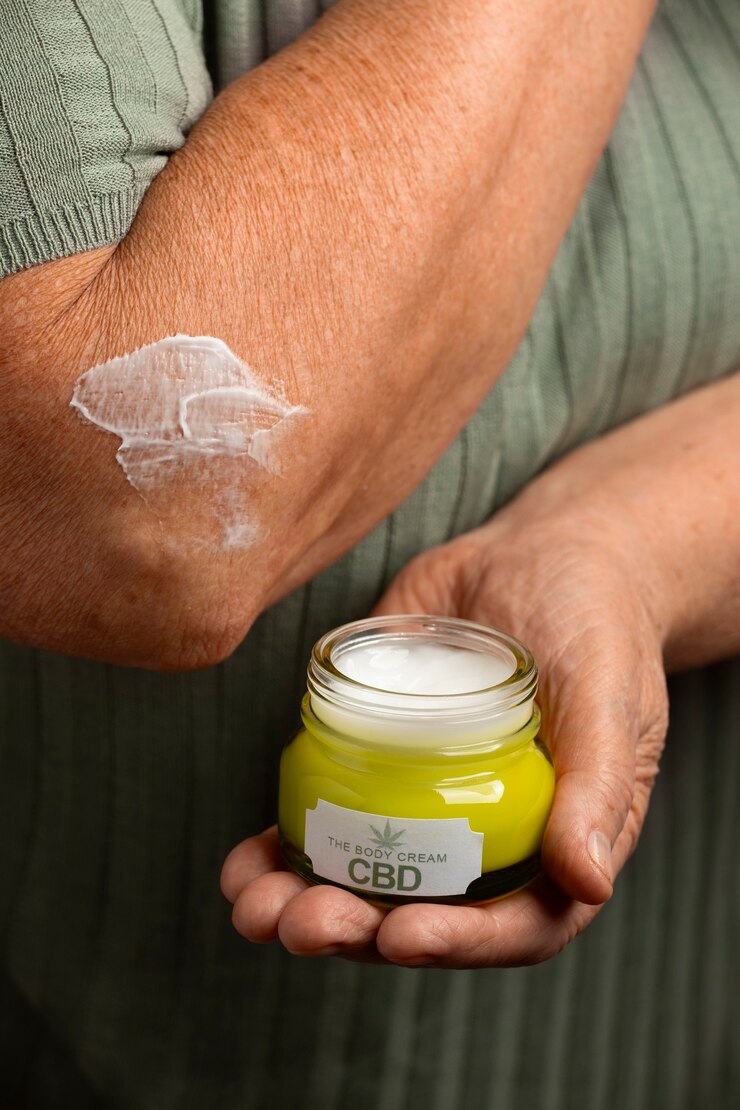
The XIMONTH Bee Venom Nail Fungus Care Cream is a 20g jar positioned for fungal nail care on fingernails, toenails and the surrounding nail skin. Its listed ingredients include bee venom, glycerin and allantoin, with mineral oil among the full formula. It offers hand-applied coverage for someone who prefers spreading cream over the nail and edges rather than using a dropper or brush.
That format may be easier for a caregiver to control while the person sits comfortably, provided the product suits the person's care plan. The jar size and application method are product facts, not evidence that it clears a fungal infection. No verified clinical clearance rate for this finished cream was established for this guide. Ask a clinician or pharmacist whether it belongs alongside any prescribed nail treatment before layering products.

The supplied directions are to clean the nails and surrounding skin, apply an appropriate amount evenly, and massage gently until absorbed. Follow the current package for frequency. Do not invent a thicker dose or a “more often works faster” schedule. If the person has a known allergy to bee venom or another ingredient, do not use a small home test to try to make that allergy safe.
Choose only after checking the skin and the care plan. Open wounds, painful inflamed nail folds or an uncertain rapidly changing nail need assessment, not a new application experiment. Stop if irritation develops. Compare the cream with other formats in Nail Care, using the actual care purpose and label rather than assuming that serum, cuticle oil, cream and antifungal medicine are interchangeable.

A handover checklist for family caregivers
Use one short record that everyone can find. Write the name of the product or prescribed medicine, which nail it is for, the instructions supplied by the professional or label, and who is responsible. Record the date of the next appointment. Avoid storing several similar-looking jars without labels in a shared bathroom where the wrong person may apply the wrong product.
At each routine check, record new discomfort or skin changes rather than trying to score the nail's color every day. If taking photographs, use the same lighting and angle and keep them private. Ask the treating professional what progress should look like and when to review it. Nail appearance may remain abnormal while it grows out, so a short-term photograph cannot establish treatment success or failure.
Keep nail clippers personal and clean them according to their instructions. Do not share towels or footwear. Our guide to whether toenail fungus is contagious covers household habits in more detail. These habits support the routine, but they should not become a reason to isolate or embarrass the older adult. Explain what you are doing and involve them in the decisions.
Questions older adults and caregivers ask
Does every thick toenail in an older person need antifungal treatment?
No. Thickness can have more than one cause. An examination, and sometimes a nail sample, helps identify whether fungus is present. Treatment also depends on symptoms, health conditions and what the person can manage. A thick nail that is hard to trim may need professional foot care even before the exact cause is confirmed.
Can I cut my parent's very thick toenails at home?
Do not force clippers through a nail you cannot safely see and control. Arrange professional help if the nail is thick, curved, painful or difficult to reach, particularly with diabetes, reduced feeling or poor circulation. Routine gentle care is different from reducing or removing a difficult nail.
Is a cream safer than tablets for every older adult?
No format is automatically right for everyone. Tablets require consideration of medicines and medical history; topical products can still irritate skin and may not provide the treatment a nail needs. Choose with a clinician or pharmacist, and distinguish a care cream from a nail-specific medicine with established evidence.
How quickly should a toenail look normal again?
Nails grow slowly, and the treatment period is not the same as the time needed for a normal-looking nail to grow out. Ask for the expected review schedule for the actual treatment. Do not apply a medicine's published timetable to a different cream or stop prescribed treatment because the nail looks better at the edge.
Sources and product information
Prepared by XIMONTHS. Sources and current product information checked November 5, 2026. Brand-authored educational information; this article has not had independent clinical review.