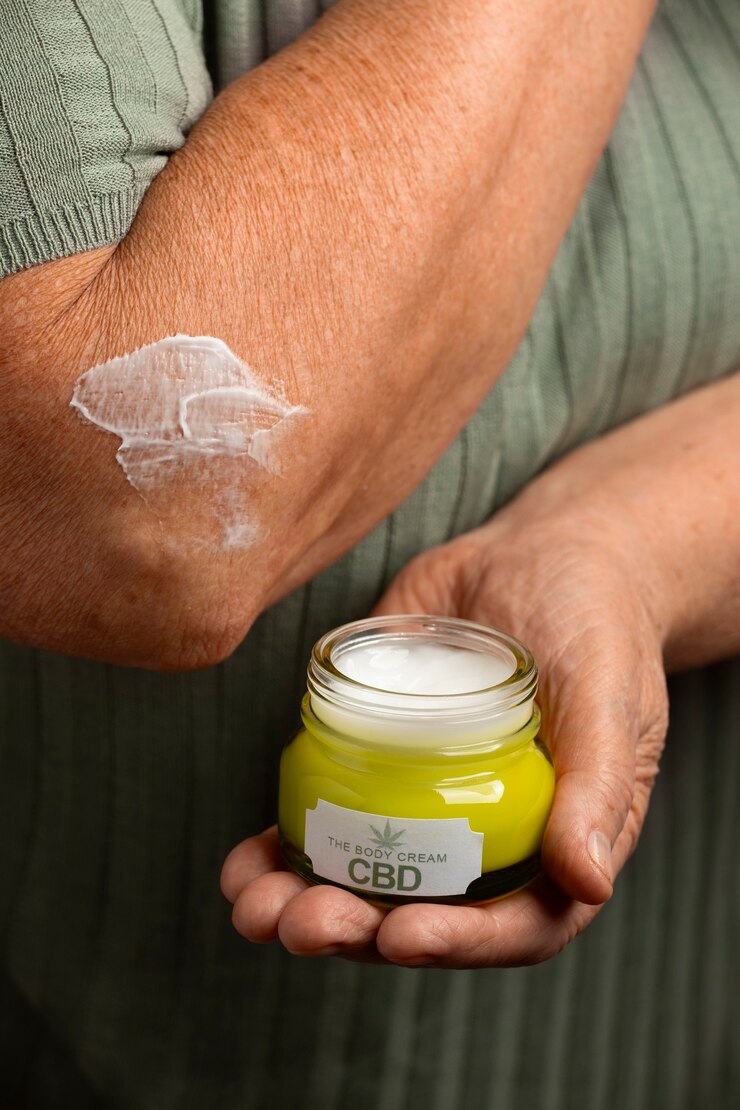

Horse Chestnut Cream Benefits: Evidence, Labels and Leg Care
A horse chestnut cream may serve as a moisturizing product for dry leg skin and a comfortable addition to a gentle care routine. However, research on standardized horse chestnut seed extract taken by mouth does not prove that a topical cream treats varicose veins or improves circulation. Judge the finished cream by its ingredients, intended use, skin tolerance, and realistic cosmetic benefits.
What benefit are you actually looking for?
People search for leg creams for very different reasons. One person wants less dry-feeling skin after a shower. Another notices heavy legs after standing. Someone else sees prominent veins and hopes a cream will make them disappear. These goals need different answers, even if the same botanical name appears in the search.
For ordinary dryness on intact skin, moisturizing care can be a reasonable starting point. A cream can help the surface feel softer and make light application more comfortable. That is different from changing a vein, resolving unexplained swelling, or treating a diagnosed vascular condition.
Before buying, describe your goal in one sentence. “I want a light moisturizer for dry lower legs” is a practical cosmetic goal. “I need to know why one calf has suddenly become swollen and painful” is a medical question. Keeping those statements separate prevents a pleasant skin-care step from delaying the assessment you actually need.
What the horse chestnut research studied
The frequently cited Cochrane review concerns oral horse chestnut seed extract for chronic venous insufficiency. It included 17 randomized controlled trials, using extract standardized to escin. The review describes capsules taken over periods of two to sixteen weeks and reports short-term symptom improvements, while calling for larger, definitive trials.
Those details matter. The intervention was a particular type of oral preparation in people with a particular condition. It was not a trial of every cream containing a horse chestnut ingredient. Route of administration, extract standardization, dose, treatment duration, and the other ingredients in a formula can all differ.
The National Center for Complementary and Integrative Health also summarizes potential benefits of studied extracts while noting research limitations. Its discussion does not justify taking raw horse chestnut plant material, which is unsafe to consume. It also does not establish that an untested topical blend has the same benefits as the preparations in the trials.
How to read a cream claim against the evidence
| Claim you encounter | What you would need to support it | What is reasonable to conclude without that evidence |
|---|---|---|
| Contains horse chestnut extract | A reliable current ingredient list | The ingredient is present as listed |
| Helps dry skin feel comfortable | A suitable moisturizing formula and appropriate use | Evaluate texture and personal tolerance |
| Improves circulation | Relevant studies on the finished topical product and outcome | Do not infer this from oral capsule studies |
| Removes or cures varicose veins | Strong evidence for that medical outcome | A cosmetic cream should not be relied on for this purpose |
| Works in a fixed number of days | Product-specific outcome data under defined conditions | Do not adopt a timeline from unrelated research |
A study reference is useful only when the product and the claim actually match it. If a page shows a capsule study next to a cream, ask whether the manufacturer explains the difference. An ingredient's reputation is not a replacement for finished-product evidence.
Horse chestnut cream for legs: what to check on the label
Start with the intended application site and the complete ingredient panel. Is the product a moisturizing cream, a cooling gel, or a medicine with specific labeled indications? Check whether it lists the extract concentration or standardization. When those details are absent, leave them unknown rather than assuming the product matches a research preparation.
Next consider the base and the way you will use it. A fast-absorbing cream may be convenient before getting dressed. A richer texture may suit someone who prefers a more substantial moisturizing feel. A strong cooling sensation, if present in another product, is a sensory effect; it does not measure circulation or explain why the legs feel uncomfortable.
Finally, review personal allergies and skin condition. Botanical does not mean universally tolerated. A new cream can cause irritation, and a formula with bee-derived ingredients deserves particular attention if you have a known allergy. Open wounds, active rashes, or painful unexplained swelling need a different decision than routine care of intact, dry skin.
A real product example and its appropriate role
The XIMONTHS Bee Venom Leg Cream for Dry, Tired Legs is a 100g jar listing horse chestnut extract, rosemary leaf extract, water, bee venom, and Centella asiatica in its product materials. It is presented as a light, quick-absorbing moisturizing cream for dry, tired-feeling legs. The available materials do not provide a standardized escin dose or a clinical trial proving a vascular treatment effect for this finished cream.

That makes the useful recommendation straightforward: consider it when you want a moisturizing leg-care step, your skin is intact, and its ingredients are suitable for you. The jar format and light texture may fit a simple evening routine. They are practical product features, not evidence that a cream repairs vein valves or dissolves a clot.
If your main concern is a newly prominent vein, persistent heaviness, or swelling, seek guidance about the cause first. You can still discuss skin comfort as part of that care, but the moisturizer should not become the entire treatment plan. Compare available textures and intended uses in the foot-care collection without treating every leg or foot product as medically interchangeable.
Using a leg cream gently
The product directions show cleaning the skin, keeping it dry, applying an appropriate small amount evenly, and massaging gently for absorption. Use it on intact skin and follow the current package for frequency. There is no reason to add a deep-pressure technique or a prolonged massage simply because the formula contains horse chestnut.

Try a small area first if appropriate for your skin and the label. Check how the skin feels before expanding use. Stop if it develops burning, itching, rash, or swelling. Avoid the cream if you know you are allergic to its ingredients; a home trial is not a way to override a known allergy.
Keep pressure comfortable and superficial. Do not massage a newly painful, warm, or swollen leg, or press directly on a painful swollen vein. If you have a diagnosed vascular condition, fragile skin, or a history that changes how you should care for your legs, ask your clinician which products and handling are suitable.
For the broader sequence around uncomplicated end-of-day care, see our tired legs evening massage routine. If you are looking for a separate comfort routine for healthy feet, how to massage feet covers that technique. Neither article should be used to work through signs of a possible clot.
Horse chestnut cream for varicose veins: set the right expectation
A cream cannot be assumed to remove a visible varicose vein simply because horse chestnut appears on the label. NHS information explains that varicose veins can require assessment and, when indicated, treatments such as procedures or clinician-guided compression. The choice depends on symptoms and findings, not just cosmetic appearance.
Do not buy compression garments or replace prescribed treatment solely on the basis of an online cream comparison. The right pressure, fit, and suitability can depend on your circulation and medical history. A clinician can explain whether compression is appropriate and how it fits your care plan.
If the skin over or near a vein is dry, ask about a suitable moisturizer. Improving surface comfort is a worthwhile goal, but it should be recorded separately from pain, swelling, or vein appearance. That separation helps you notice whether the underlying problem needs further attention even if the skin feels softer.
When the next step is assessment, not a product
Seek urgent medical advice for a leg that becomes swollen, painful, warm, or red, especially on one side. These can be signs of deep vein thrombosis, although symptoms alone cannot establish a diagnosis. Do not try to test the problem with massage or wait to see whether a cream helps.
If leg pain or swelling occurs with breathlessness or chest pain, seek emergency help. The NHS identifies this combination as potentially serious. The important action is prompt assessment, not comparing botanical ingredients or escalating home treatment.
Arrange a nonurgent clinical review for persistent troublesome leg symptoms, skin changes around varicose veins, or a sore that does not heal. A cream's pleasant feel can coexist with a condition requiring treatment. Bleeding from a varicose vein also needs prompt medical attention; follow local urgent-care guidance rather than treating it as ordinary dry skin.
A useful record for routine care or an appointment
For uncomplicated dryness, note where you applied the cream, how the skin felt, and whether irritation developed. You do not need a complicated scoring system. Consistent observations help you determine whether a product is comfortable and easy to maintain.
If you have persistent leg symptoms, record their location, whether one or both legs are affected, when they occur, and what activities seem related. Photograph visible changes in similar lighting. Take the product name and ingredient list to your appointment so a clinician can distinguish your skin-care routine from any medicines or supplements you use.
Avoid turning a home record into a diagnostic test. A temporary change after resting or applying cream does not rule out a vascular problem. The purpose of the notes is to communicate accurately and to avoid repeatedly changing products while the underlying question remains unresolved.
Frequently asked questions
Does horse chestnut cream improve circulation?
That benefit cannot be assumed from the ingredient name. Much of the commonly cited evidence concerns standardized oral extract in chronic venous insufficiency. A topical cream would need relevant evidence of its own to support a circulation claim.
Can I use the cream instead of prescribed compression?
No. Do not replace prescribed compression, medication, or another treatment with a cosmetic cream. Ask your clinician how moisturizing care can fit your existing plan and whether the specific formula is suitable for your skin.
How quickly should a cream change my veins?
There is no justified timeline for expecting this cosmetic cream to change varicose veins. Assess moisturizing comfort separately. Persistent pain, swelling, or changing skin around veins should be reviewed rather than assigned a longer product trial.
Is an oral horse chestnut supplement the same thing?
No. Oral extracts and topical creams differ in route, formulation, and safety considerations. Do not swallow a cream or prepare raw horse chestnut as a home remedy. Discuss supplements with a qualified clinician, especially alongside medicines or existing conditions.
Sources and editorial notes
Written by XIMONTHS using the sources below and the current product materials. This guide has not undergone independent medical review and does not present the featured cream as a treatment for venous disease.