
Dandruff vs Dry Scalp: What Your Flakes Can and Cannot Tell You
Dandruff and a dry scalp can both shed flakes and itch, so flake appearance alone cannot reliably distinguish them. Dry scalp often relates to moisture loss or irritating hair care, while dandruff can involve scalp oil and yeast-related processes. Consider the whole pattern, review your routine, and seek assessment for persistent symptoms, marked inflammation, pain, sores, or hair loss.
White specks on a dark shirt can make you want to wash harder, apply oil, or buy the strongest shampoo immediately. Those choices do different things. If dryness is the main issue, repeated harsh cleansing may worsen discomfort; if dandruff is involved, simply coating the scalp may not address it. The first useful step is to record more than the color of the flakes.
The Cleveland Clinic dry-scalp guide, AAD dandruff advice, and NHS dandruff guide provide the basis for this comparison. It is a practical guide to choosing the next question and routine adjustment, not a way to diagnose a scalp condition from a photograph.
Dandruff vs dry scalp: compare the pattern
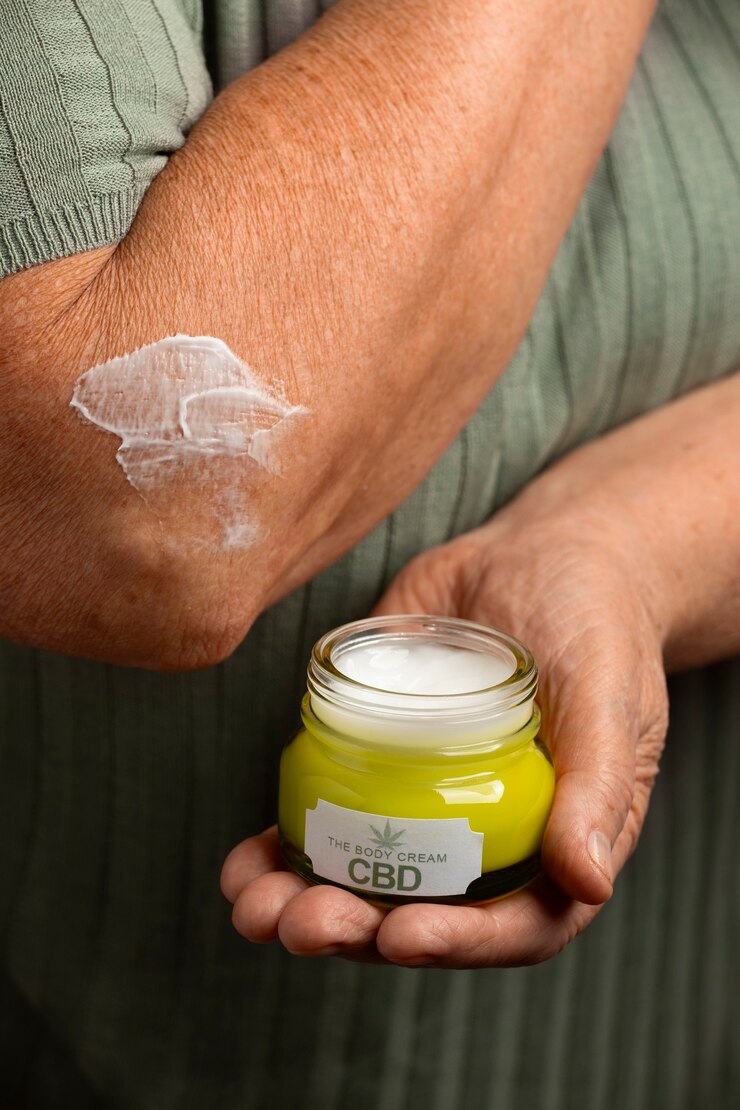
A dry scalp can feel tight, uncomfortable, or itchy, and you may also notice dry skin elsewhere. Hot water, products that irritate your skin, and environmental conditions can contribute. However, having dry elbows does not prove that every scalp flake has the same cause. Local hair products and scalp conditions still need consideration.
Dandruff can occur with oiliness and recurring flakes, but it can also make the scalp feel dry and itchy. The NHS explicitly includes that symptom combination. This is why “white means dry, yellow means dandruff” is too simple. Flakes can vary with washing, product residue, scratching, hair color, and lighting.
Dandruff is not a sign that you are dirty, and the NHS notes that it is not contagious. Washing habits can affect how visible it becomes, but blame does not help select care. A useful comparison acknowledges overlap and focuses on persistence, irritation, and response to appropriate routine changes.
| Clue | What it may suggest | Why it is not a diagnosis |
|---|---|---|
| Tightness after a new cleanser or hot wash | Dryness or irritation may contribute | Dandruff and contact reactions can also feel uncomfortable |
| Recurrent flakes with an oily scalp | Dandruff may be part of the pattern | Oiliness alone does not identify the condition |
| Dry skin on other body areas | A broader dryness tendency may be relevant | The scalp can still have a separate problem |
| Redness, swelling, pain, or sores | More than mild ordinary flaking may be present | Several conditions need different treatment |
| Hair loss or a persistent thick patch | Professional assessment is useful | Do not classify it only by flake color or size |
A five-question check before changing products
First, when did the problem start? A clear change after a dye, styling spray, shampoo, or leave-on product is useful information. It does not prove an allergy, but it gives a clinician or pharmacist a specific exposure to consider. Keep the label rather than relying on a vague memory that the bottle was “for sensitive hair.”
Second, how does the scalp feel before and after washing? Record tightness, oiliness, itch, and soreness separately. Third, are there visible changes beyond loose flakes, such as swelling, crusting, or patches where hair is thinning? Fourth, are the symptoms limited to the scalp or present around the ears, face, or other body sites?
Finally, what have you already tried, and for how long? A shampoo used once for a few seconds has not been used in the same way as one applied according to its label for several weeks. Conversely, persistent burning is not a reason to keep using a product until a trial period ends. Stop irritating products and seek advice when the reaction warrants it.
If ordinary dryness seems to be the main issue
Begin by reducing avoidable irritation. Use comfortably warm water, avoid scratching with fingernails, and review whether your shampoo or leave-on products make the scalp sting. A gentler routine may be more useful than adding several oils or active treatments at once. Keep cleansing adequate for your hair and scalp rather than assuming that all dryness requires stopping washing.
Check fragrance and botanical exposure as well as the main marketing claim. A product described as fresh, herbal, or cooling can still irritate someone. Our fragrance-free versus unscented guide explains why those terms are different and why the full formula matters. A pleasant smell or a cooling sensation is not a measure of barrier comfort.
If you use a scalp moisturizer, choose a formula explicitly intended for that area and apply it as directed to suitable skin. Avoid coating the hair repeatedly when the target is the scalp. Part the hair for controlled access, and keep product away from eyes. Persistent itch or recurring flakes despite a gentle routine deserves a review of the cause.
If dandruff is the likely concern
The AAD recommends regular washing for mild dandruff and a dandruff shampoo when that does not help. Its guidance lists several possible active ingredients, including ketoconazole, selenium sulfide, salicylic acid, and others. Availability and labeling vary by country, so ask a pharmacist about an appropriate locally available product rather than buying solely from an ingredient list online.
Read how the shampoo should be applied. Some need time on the scalp before rinsing; others have different instructions. The AAD notes that contact time can be up to five to ten minutes for some products, but that is not a universal instruction for every bottle. Use the label's amount, frequency, contact time, and precautions.
Hair texture also matters. The AAD gives different general washing examples for fine or straight hair and coarse, curly, or coily hair, and advises protecting hair lengths from unnecessary drying. If you are unsure how a dandruff shampoo fits your existing routine, ask for advice that considers your hair texture and scalp symptoms together.
The NHS suggests assessing improvement over up to four weeks of appropriate anti-dandruff shampoo use and seeking medical advice if symptoms persist. Do not wait that long if your scalp becomes painful, swollen, markedly inflamed, or otherwise concerning. A treatment trial is useful only when the product is suitable and tolerated.
Avoid the common oil-and-scrub detour
Applying a heavy layer of oil to every flake assumes that moisture loss is the only problem. Scrubbing every flake away assumes that the issue is simply debris. Neither assumption is reliable. If dandruff, a contact reaction, or another scalp disorder is present, the next step may be a different formula or professional assessment rather than more oil or friction.
Do not scrape a persistent patch with a comb or fingernails to see what is underneath. That can create soreness and make the pattern harder to interpret. Avoid combining a new medicated shampoo, exfoliating scalp product, fragranced oil, and leave-on mist in the same week. If a reaction develops, several simultaneous changes make it difficult to identify the trigger.
Keep brushes and other hair-care tools reasonably clean, but do not treat ordinary dandruff as a reason to disinfect everything obsessively. It is not contagious. The practical priority is a tolerable routine and a correct assessment when symptoms do not fit mild flaking, not blaming yourself or other people for flakes on clothing.
Where a lightweight scalp-care spray fits
A leave-on skin-care spray serves a different purpose from a dandruff shampoo. It may offer a convenient format for a suitable area of intact skin, but the bottle name alone cannot identify why your scalp itches. Decide whether you need ordinary skin care or advice about a persistent scalp condition before choosing the format.
The XIMONTH 20ml skin and scalp spray is sold as Psoriasis Spray and is described as a lightweight, water-based mist for dry, itchy-feeling body and scalp areas. Its supplied ingredient panel lists bee venom, tocopherol, Chrysanthellum indicum extract, Mentha arvensis extract, and water. The panel does not list a dandruff-treatment active such as ketoconazole, so this article does not present it as an anti-dandruff shampoo or antifungal treatment.

Consider it only if the skin is intact, the light application format suits your ordinary care need, and you tolerate the full formula. Part the hair, use a small amount according to the label, and keep mist away from the eyes and avoid inhalation. Do not spray onto cracked or bleeding skin. Bee-derived ingredients and field mint are reasons to review sensitivities, not proof that the formula is suitable for everyone.
The 20ml pump can be convenient for targeted application between sections of hair, especially when you prefer a light layer to a thick cream. That is a format advantage, not evidence that it treats every cause of scalp flaking. Stop if irritation develops and keep prescribed treatment in place. Do not use the product name to diagnose yourself with psoriasis.

The Psoriasis Care collection offers other formats to inspect, but a collection category is not a clinical recommendation. If you have a diagnosed condition, check that any extra skin-care product fits your professional treatment plan. If you are uncertain about the cause, clarification is more valuable than buying several related products to try at once.
When flakes need a clinician's assessment
Seek advice for severe itch, scalp redness or swelling, painful areas, sores, or symptoms that do not improve with appropriate care. Hair loss, a persistent thick patch, or changes on the face and elsewhere on the body also deserve attention. These features can occur with conditions that need a different approach from a basic dandruff routine.
The AAD and NHS describe several possible conditions behind persistent flaking, including seborrheic dermatitis, eczema, psoriasis, contact dermatitis, and fungal infections. Their appearances can overlap. Our eczema-versus-psoriasis guide explains broader distinctions, but it does not replace an examination or determine what is happening on your scalp.
Bring your product list, the timeline, and any consistent photographs to the appointment. Mention hair dye, new styling products, and whether symptoms started after a particular change. If a prescribed treatment has not helped, explain how you used it rather than silently adding several cosmetic products. That information makes the next decision more specific.
Questions about dry scalp or dandruff flakes
How can I tell dandruff from dry scalp at home?
You can record clues, but you cannot reliably diagnose the cause from flake size or color alone. Note oiliness, tightness, washing triggers, new products, persistence, and symptoms beyond flakes. Mild cases may improve with an appropriate routine, while continuing or concerning symptoms need professional assessment. Use observation to guide the next step rather than to prove a label.
Can dandruff make my scalp feel dry?
Yes. The NHS notes that dandruff can be associated with a dry, itchy feeling. That overlap is why simply feeling dry does not establish a moisture-only problem. Review the overall pattern and response to suitable care. Repeatedly applying oil without considering dandruff or irritation may leave the underlying issue unresolved.
Is the featured scalp spray a replacement for dandruff shampoo?
No. The reviewed product information supports a lightweight skin-care format, not equivalence to a medicated dandruff shampoo. If dandruff treatment is needed, use an appropriate product and follow its instructions or professional advice. A spray's packaging name and botanical ingredients do not establish treatment of yeast-related flaking or a diagnosed scalp disorder.
Sources and product check
The comparison draws on Cleveland Clinic's dry-scalp information, AAD dandruff guidance, and NHS dandruff advice. Product ingredients, 20ml size, and scalp application instructions were checked on October 27, 2026. These references support the care choices and limits; they do not endorse the featured spray or validate a clinical dandruff-treatment claim.