
Skin Tag Removal Aftercare: A Practical Daily Routine
Good skin tag removal aftercare is simple: keep the area clean, reduce rubbing, leave any natural crust alone, and wait until the skin surface has fully closed before applying ordinary cosmetic products. The exact routine depends on how the tag was removed, so the instructions from the clinician or product label always come first.

The first 24 hours
Start with the instructions that came with the removal method. If the area was treated professionally, keep any dressing in place for the recommended period. When cleaning is allowed, use clean hands, lukewarm water, and a gentle touch. Pat the area dry rather than rubbing it with a towel.
A small treated spot may look pink or feel mildly tender. That does not mean it needs repeated touching. Avoid picking, scraping, or checking it every few minutes. Friction from a collar, bra strap, waistband, or jewelry can be more irritating than the normal movement of the skin, so adjust clothing where practical.
A practical aftercare timeline
| Stage | What to do | What to avoid |
|---|---|---|
| First day | Follow the removal instructions, keep the area clean, and protect it from rubbing. | Scrubbing, picking, swimming, and unapproved active products. |
| Days 2-7 | Clean gently as directed and let any small crust detach on its own. | Peeling the crust, shaving across the spot, or applying remover to open skin. |
| After the surface closes | Return gradually to a normal moisture routine and protect exposed areas from sun. | Restarting several strong products at once. |
| If healing changes | Pause products and ask a qualified professional about increasing pain, drainage, heat, or spreading redness. | Trying to cover a worsening reaction with more product. |
How to clean the area without overdoing it
- Wash your hands before touching the area.
- Use the cleansing method specified for the procedure or product.
- Pat dry with a clean towel or gauze.
- Replace a dressing only if the instructions call for one.
- Keep the surrounding skin comfortable, but do not put cosmetic cream into an open spot.
More cleaning is not always better. Strong alcohol, exfoliating acids, rough washcloths, and repeated rubbing can make a small area harder to settle. A short, repeatable routine is easier on the skin and easier to follow.
Reduce friction according to the location
Aftercare becomes easier when it accounts for the part of the body involved. For a neck area, check whether a shirt collar, necklace, or bag strap crosses the spot. Under an arm, choose loose fabric and wait before shaving directly over the area. Around the waist, move a tight waistband away from the treated skin when possible. If the spot sits where a bra strap or sports garment rests, a softer layer between the fabric and skin may reduce repeated contact.
Exercise does not automatically need to stop, but sweat and movement can increase rubbing. Follow the removal instructions, clean the area after activity when appropriate, and change out of damp clothing. The goal is not to keep the spot perfectly untouched; it is to avoid the same avoidable irritation happening throughout the day.

Where a targeted cream fits
A remover cream belongs to the treatment stage described on its label, not to an open-wound aftercare stage. Once an area has been treated, do not keep applying remover to broken or healing skin unless the product directions specifically say to do so.
For a different, clearly identified skin tag on intact skin, XIMONTHS Skin Tag Remover Cream provides a small-area cream format. The product information identifies bee venom, peppermint, and a cypress-type leaf extract. Apply only as directed, keep it away from eyes and broken skin, and patch test first if your skin is easily irritated.
| Product detail | Current information |
|---|---|
| Format | Targeted topical cream |
| Featured ingredients | Bee venom, peppermint, and a cypress-type leaf extract |
| Best fit | A small, clearly identified skin tag on intact skin |
| Do not apply to | Open skin, moles, changing lesions, eyes, face, or genital areas |
Five mistakes that can slow a simple routine
Picking at the crust
A crust is temporary protection. Removing it early can reopen the surface and increase irritation.
Using a remover on skin that is still open
Removal and aftercare are different stages. Stop the active removal step when the label or clinician tells you to stop.
Ignoring clothing friction
A treated spot at the neck, underarm, or waistband can be rubbed hundreds of times a day. Softer or looser clothing may make the routine more comfortable.
Treating every bump as a skin tag
Moles and changing lesions should not be self-treated. If the spot is dark, irregular, painful, bleeding without being touched, or changing in size or color, have it identified before using a remover.
Restarting every active product at once
After the skin closes, reintroduce the ordinary routine gradually. If irritation appears, it is much easier to identify the cause.

When to get the area checked
Seek professional advice if pain is increasing instead of settling, redness spreads, the area becomes hot or swollen, drainage develops, bleeding will not stop, or the spot does not look like an ordinary skin tag. People with diabetes, reduced circulation, immune-system conditions, or a history of difficult wound healing should ask for individualized advice before self-treatment.
Choosing a format for a separate area of intact skin?
If you came here while comparing care options for a different, clearly identified spot that has not been removed, choose by its intended use and applicator. XIMONTHS Bee Venom Skin Tag Care Spray offers a lightweight spray format for targeted cosmetic spot care on clean, intact skin. It suits buyers who prefer a light mist to spreading a cream by hand. Its listed formula includes glycerin, Centella asiatica root, allantoin and bee venom.
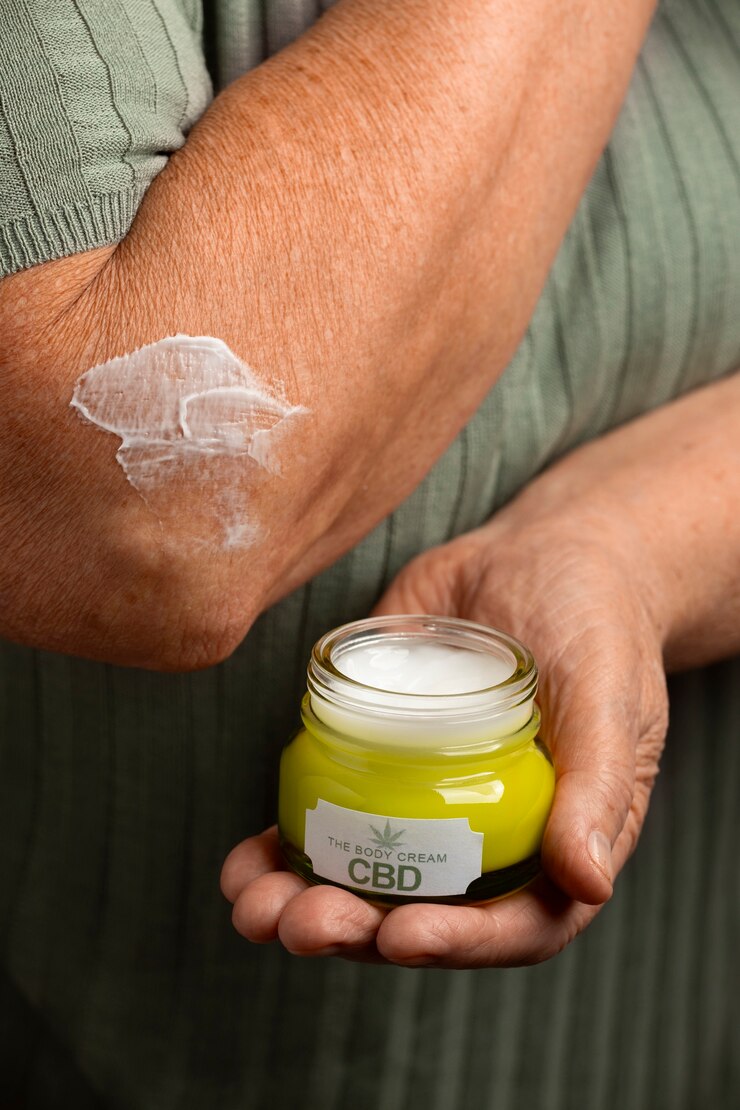
This is a separate product from the cream pictured above. It is not a wound-care spray, disinfectant or post-removal aftercare product, and this comparison does not establish guaranteed tag removal. Use its own directions for suitable areas; for the spot that is currently healing, continue the aftercare instructions for the removal method.
Choose the right format for the right stage
Aftercare should protect a healing area. A remover cream should be reserved for a clearly identified tag on intact skin and used according to its label. That distinction makes the routine easier to follow and prevents unnecessary repeat application.
Shop XIMONTHS Skin Tag Remover Cream or compare the available creams, sprays, and patches in the Wart & Skin Tag Care collection.
Questions, answered
How long does skin tag removal aftercare take?
Timing varies with the removal method, the size and location of the tag, and the way your skin heals. Follow the method-specific instructions and judge product use by whether the skin surface is fully closed.
Can I shower after skin tag removal?
Follow the instructions for the removal method. When washing is permitted, keep the contact gentle and pat the area dry instead of rubbing it.
Should I remove the small crust?
No. Let it detach on its own. Picking can reopen the area and prolong irritation.
Can I apply skin tag remover cream after the tag comes off?
Do not apply a remover cream to open or healing skin unless its label explicitly directs you to do so. Use it only on intact skin and stop according to the directions.
What if I am not sure the spot is a skin tag?
Do not self-treat it. Have a qualified professional identify an uncertain, changing, dark, painful, or spontaneously bleeding lesion first.
General educational information only. The instructions supplied with the product or procedure take priority.