
Best Cream for Knee Pain Relief: Compare Medicines and Care Gels
The best cream for knee pain relief depends on why your knee hurts and what kind of product you need. A topical medicine, a cooling rub, and a massage-care gel serve different purposes. This guide compares those categories, explains cream-versus-gel choices, and introduces a focused XIMONTHS option for shoppers considering a knee-care massage routine.
XIMONTHS sells the knee gel featured below. We compare it with a general joint-care cream by format and intended area, helping you choose which product to explore. If your main question is how to treat an injury or diagnosed condition, use the clinical guidance below to inform that decision first.

Follow the decision steps, then use the detailed comparison and sources below.
Knee pain is a symptom, not a product category
Knee pain can follow an injury, repeated activity, or a longer-term condition. The NHS knee-pain guide lists several possible causes and cautions against self-diagnosis. Knowing that your knee hurts does not identify the ingredient that is appropriate for it.
Before choosing a cream, describe what happened, where the pain is, whether the knee is swollen, and which movements are affected. If you already have a diagnosis, use that information when speaking with a pharmacist or clinician about topical options. If you do not, a product review cannot fill the gap.
Avoid choosing solely because a listing mentions the same symptom you searched for. A page may use “stiffness,” “swelling,” and “pain” broadly, while the product's actual labeled use is narrower. Your shopping decision should follow the label and appropriate advice, not the largest collection of matching words.
Compare treatment categories before comparing textures
The Arthritis Foundation's topical-treatment overview distinguishes several ingredient categories. It describes topical NSAIDs, local anesthetics such as lidocaine, counterirritants such as menthol or camphor, capsaicin, and other products. Their roles and evidence are not interchangeable.
| Category | What to identify | Question to ask before choosing |
|---|---|---|
| Topical NSAID | The specific active ingredient and labeled use | Is this appropriate for my diagnosis, medicines, and health history? |
| Lidocaine topical | Labeled numbing ingredient and intended uses | Does the label match the reason I am considering it? |
| Menthol or camphor product | Counterirritant ingredients and warnings | Are the expected sensation and application restrictions suitable? |
| Capsaicin product | Specific formulation and directions | What should I know about irritation and proper use? |
| Bee venom care gel or cream | Complete ingredients and current care instructions | What is verified about this particular product, and what remains unproven? |
The table is a way to prepare questions, not a prescription. The Arthritis Foundation notes that topical treatments still have precautions and that evidence differs across categories. Ask a healthcare professional to help you choose when the purpose is treatment of a diagnosed condition.
Why cream versus gel is only part of the decision
“Cream” and “gel” describe formats. They do not tell you whether a product is a medicine, what its active ingredients are, or how much evidence supports its use. Two gels can serve different purposes, while a cream and a gel may contain similar categories of ingredients.
Look at the current package rather than judging only from the URL or search result. Confirm the product identity, intended area, package amount, and directions. If absorption time or scent matters because you plan to apply a product before work, ask for specific information. No fixed drying time should be inferred simply from the word “gel.”
The most useful practical comparison is whether you can follow the instructions and whether the product fits the routine you have chosen appropriately. Convenience matters, but it should come after the question of suitability rather than replacing it.
Meet the XIMONTHS knee-care gel

XIMONTHS Knee Therapy Gel in a tube with its retail box.
The XIMONTHS Bee Venom Knee Therapy Gel is listed as a topical gel for targeted knee-area care. The description features bee venom and names curcumin and tocopherol. It describes cleaning and drying the area, applying the gel, and gently massaging until absorbed.
Those are statements about the current listing. A featured-ingredient description does not replace a complete ingredient declaration. Obtain and read the current package label before deciding whether the product is suitable for you, especially if you have a relevant allergy or sensitivity.
The knee gel is a focused option for a topical-care routine when its label and ingredients suit you. Compare it on that basis with the general cream below. If you are looking for a labeled anti-inflammatory medicine or treatment for an injury, make that choice with a qualified professional; a care gel is a different product category.
If your main goal is to treat arthritis or an injury, discuss that goal with a healthcare professional before choosing a care gel. If you are already comparing appropriate massage-care products, the listing gives you a concrete format to examine alongside the cream options below.

Prefer a product focused on knee care?
The XIMONTHS Knee Therapy Gel is the direct starting point if you want a topical gel listed specifically for the knee area. Its tube format and knee-care positioning let you compare it clearly with a general joint-care cream in a jar. Review the current product details, choose an available option, and check delivery for your destination. If a cream format is your preference, the general joint-care alternative above is one click away.
See the current options, price, and delivery details on the product page. Check the ingredients and directions, then choose the option that fits your routine.
Compare the knee gel with a general joint-care cream

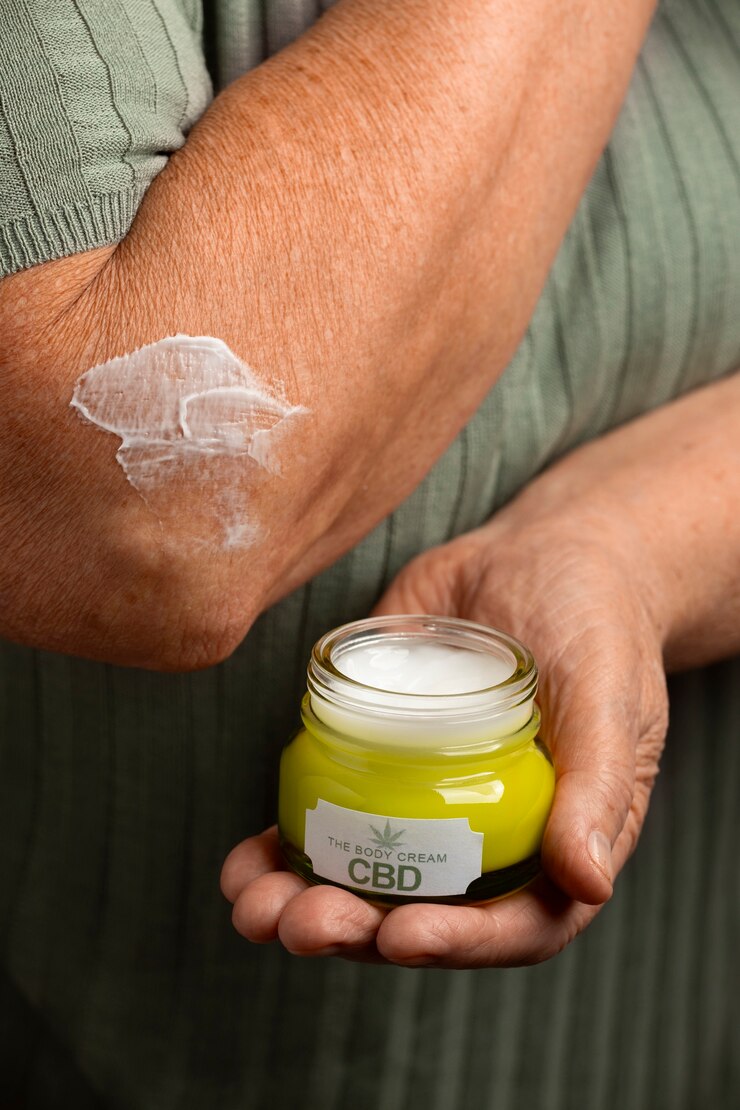
An existing product photo showing the general cream alternative. Packaging format is a comparison point, not an effectiveness score.
The Fast-Absorbing Joint Care Cream is listed as a cream for selected joint and muscle areas, whereas the knee product is specifically listed as a gel for knees. This distinction may help you choose which page to read first.
It does not prove that the knee gel is stronger, that the general cream reaches deeper, or that either one is preferable for a particular diagnosis. Compare the complete labels, not just the body-area names. Shared bee venom branding does not guarantee identical ingredients or directions.
If you want the broader product shortlist, the XIMONTHS joint-care comparison organizes the available listings by format, featured ingredients, and care area. Use it to narrow your reading rather than to rank treatment effects.
Read directions before planning your routine
Follow the exact product's current directions for amount, application area, and frequency. Do not transfer dosing from a topical NSAID to a care gel, or from one brand's tube to another. More frequent application is not automatically more appropriate.
The Arthritis Foundation advises applying topical treatments only to intact skin and discussing irritation or other concerns with a clinician. It also warns against heating devices and tight bandages with counterirritants. If you use a knee support, another topical, or a heat treatment, ask whether the combination is appropriate rather than assuming separate instructions can be combined.
For the featured XIMONTHS gel, the listing's basic routine is clean, dry, apply, and gently massage. This guide does not add a dosing schedule, a fixed massage duration, or a promise that absorption means the underlying problem has improved. Stop using a product if it irritates your skin and seek advice as appropriate.
Judge value using information you can verify
A useful comparison includes the package amount, current price, delivered cost, and return conditions. It should also include the quality of the information available before you buy. If you cannot read the ingredients or directions, that uncertainty is part of the decision.
Do not estimate cost per pain-free day or days to recovery without reliable evidence. The amount in the tube and the number of applications are different facts, and the number of applications depends on the directions and intended area. A product that appears inexpensive can still be a poor match for your task.
Review the current delivery estimate for your destination and the store's return terms, especially any conditions for opened products. This article does not guarantee arrival dates or return eligibility. Clear expectations at checkout are more useful than another unverified claim in a comparison chart.
When to seek assessment instead of shopping
The NHS recommends urgent advice for a very painful knee, inability to move it or bear weight, significant swelling or a change in shape, locking or giving way, or fever with redness or heat around the knee. Use an appropriate local urgent-care service if these apply. Do not wait to see whether a cream resolves a potentially serious problem.
The same source advises seeking review when knee pain does not improve within a few weeks. For a US reader, arrange that review through a local healthcare professional; the UK-specific service numbers in the source are not the US care pathway.
Common questions about knee creams and gels
Is a bee venom gel proven to rebuild cartilage?
The XIMONTHS gel is presented here for knee-area topical care, not cartilage regeneration. A product name or knee illustration does not establish cartilage repair; discuss treatment for joint damage with a qualified clinician.
Can I use several products on the same knee?
Do not assume that layering is suitable. Ingredients and directions can overlap or conflict. Ask a pharmacist or clinician about the actual combination, especially if one product is a medicine or you also use heat or a bandage.
What should I do next if I want to examine the gel?
Review the knee gel's current product details, including the full label, format, available options, price, and delivery terms. Choose it only if the verified information fits an appropriate routine. If your central question is the cause or treatment of knee pain, make that clinical decision first.